I’ve always had a soft spot for simple, cozy dishes that are both satisfying and adaptable. One of my favorites to make on those lazy evenings when I just want to feel a little grounded is a noodle rice vegetarian recipe. It’s one of those meals that has a comforting, warm familiarity to it, yet it can easily be changed up depending on what I have in my pantry. And the best part? It’s a meal that’s just as good for lunch the next day, maybe even better.
When you think of noodles and rice, you might picture takeout or something quickly thrown together in the kitchen. But what I’ve discovered over the years is that with a handful of pantry staples and a little creativity, you can make something deeply flavorful, wholesome, and truly nourishing. This noodle rice vegetarian recipe does just that-it’s a fusion of two beloved ingredients that, when combined, create a meal with the perfect balance of texture, flavor, and comfort.
Noodle Rice Vegetarian Recipe
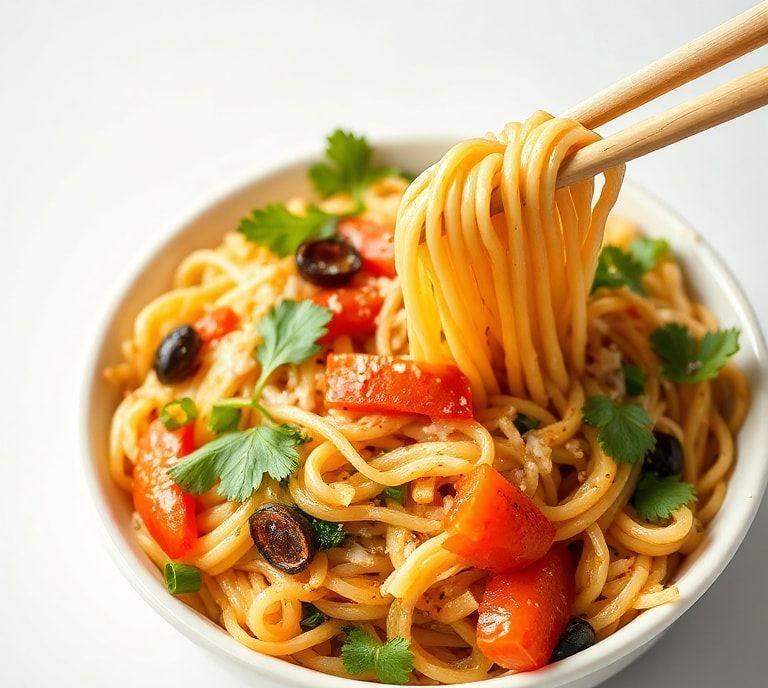
This noodle rice vegetarian recipe strikes the perfect balance between hearty and fresh. It’s both satisfying and light, and I promise you, it can become your go-to weeknight meal. Picture soft noodles and tender rice wrapped in a savory, slightly sweet sauce, all complemented by vegetables that add color and a bit of crunch. It’s one of those dishes that’s as fun to make as it is to eat.
The flavors are built on a foundation of classic Asian ingredients like soy sauce, sesame oil, and garlic, but with the twist of combining both noodles and rice. The result is a dish that feels like an elevated comfort food, but without being too heavy. The richness of the sesame oil, the umami of soy sauce, and the gentle heat of chili create a beautifully layered flavor profile.
Ingredients Needed
Here’s the beauty of this dish: you don’t need anything too fancy or obscure. Most of the ingredients are things you probably already have in your kitchen, especially if you tend to lean on pantry staples.
- Rice: Jasmine or basmati rice works wonderfully for this dish. The fragrance adds an extra layer of comfort and depth. If you’re looking for a lighter option, you can opt for brown rice.
- Noodles: I love using rice noodles here because they soak up the flavors so well, but egg noodles, soba, or even ramen noodles can work.
- Vegetables: Feel free to get creative with what you use, but some great choices include bell peppers, carrots, spinach, mushrooms, and broccoli. The more colorful, the better!
- Garlic & Ginger: Essential for that aromatic base.
- Soy Sauce: A touch of soy sauce will bring everything together with its deep, savory flavor.
- Sesame Oil: The nutty, toasty flavor of sesame oil makes this dish sing.
- Chili Flakes (optional): For a little kick.
- Green Onion: For garnish, and they add a fresh bite.
- Tofu or Tempeh (optional): If you’re in the mood for a protein boost, this can easily be added.
Cooking Instructions
This dish is surprisingly easy to make, especially since most of the ingredients can be prepped ahead of time. Here’s how to get it right:
- Cook the rice and noodles: Start by cooking the rice according to package instructions. While the rice is cooking, boil the noodles in a separate pot, making sure to follow the package directions as well. When both are done, set them aside.
- Prep the veggies: While the rice and noodles are cooking, chop your vegetables. You can slice the bell peppers, carrots, and mushrooms thinly so they cook faster. If you’re using tofu or tempeh, cube them into bite-sized pieces.
- Sauté the aromatics: In a large skillet or wok, heat a tablespoon of sesame oil over medium heat. Add the garlic and ginger, sautéing for a minute or two until fragrant.
- Add the vegetables: Add the veggies to the skillet and stir-fry them for about 5-7 minutes until they’re tender but still have a slight crunch. You can add a splash of soy sauce at this point to season them.
- Combine rice and noodles: Toss the cooked rice and noodles into the pan with the veggies. Stir everything together so the flavors start to meld. Drizzle with a bit more soy sauce and sesame oil to taste.
- Add protein (optional): If you’re adding tofu or tempeh, now is the time. Toss them in and let them warm through. If you like a crispy texture on your tofu, you can pan-fry it separately and add it at the end.
- Finishing touches: Sprinkle with chili flakes (if using), and top with freshly chopped green onions.
Ingredient Science Spotlight
Let’s take a quick moment to appreciate the science behind some of the ingredients we’re working with here. A lot of what makes this noodle rice vegetarian recipe so flavorful and satisfying comes from understanding how ingredients work together at a molecular level.
- Sesame Oil: This oil is rich in unsaturated fats, and when heated, it releases those complex, nutty aromas. The reason it brings such a depth of flavor to the dish is because of its high concentration of lignans, which have been shown to interact with the taste receptors in a way that elevates savory dishes.
- Soy Sauce: Soy sauce has its origins in fermentation, where the proteins in soybeans break down into amino acids, creating a deep umami flavor. This savory taste helps balance out the sweeter notes of the vegetables, making every bite feel fuller and more satisfying.
- Tofu/Tempeh: If you decide to add tofu or tempeh, you’re introducing not just protein but also a wealth of essential amino acids. Tofu, being made from soybeans, also has a high concentration of isoflavones, which are antioxidants that support heart health.
- Rice and Noodles: The carbohydrates in rice and noodles provide the energy needed to feel full and energized, and they also absorb the flavors of the dish, making each bite a delightful fusion of tastes.
Expert Tips
Here are some quick expert tips to make this dish even better:
- Don’t Overcrowd the Pan: When stir-frying vegetables, make sure you don’t crowd the pan. If the vegetables are too close together, they’ll steam instead of getting that beautiful caramelized exterior. If you have a large amount of veggies, do them in batches.
- Use a Non-Stick Pan or Wok: This will help you achieve that lovely stir-fried texture on the noodles and veggies, without everything sticking.
- Flavor Depth: To really kick up the flavor, try adding a teaspoon of rice vinegar or a splash of lime juice at the end. This acidity can bring the whole dish to life.
- Make It Ahead: If you’re prepping this in advance, you can cook the rice and noodles ahead of time. Just keep them in the fridge, and when you’re ready, toss them in the pan to heat up with the vegetables.
- Experiment with Sauces: If you’re feeling adventurous, you can try adding a little hoisin sauce for sweetness or a bit of sriracha if you want more heat. Peanut butter also makes a creamy, nutty addition.
Recipe Variations
This dish is as versatile as you want it to be. Here are a few ways you can change things up:
- Add More Veggies: If you’re trying to sneak in more vegetables, throw in some kale, zucchini, or snap peas.
- Switch the Noodles: Use udon noodles for a chewy texture or soba noodles for a nuttier flavor. You can even go gluten-free with rice noodles.
- Add Protein: If you’re craving a little more substance, add chickpeas, edamame, or even tempeh for a hearty vegan twist.
- Go Spicy: Add a bit more chili oil or fresh sliced chilies to really turn up the heat.
Final Words
This noodle rice vegetarian recipe is all about simplicity with a touch of elegance. The balance of textures, flavors, and colors makes it a comforting dish that doesn’t feel like a chore to make. Plus, you can customize it endlessly depending on what you have in the fridge. Whether you’re serving it as a quick weeknight dinner or packing it for lunch, it’s a meal that feels both indulgent and healthy at the same time.
FAQs
What Ingredients Are Essential For A Vegetarian Noodle Rice Recipe?
A vegetarian noodle rice recipe typically includes rice noodles or regular rice, a variety of fresh vegetables such as bell peppers, carrots, broccoli, and snow peas, and plant-based protein sources like tofu, tempeh, or edamame. Flavorings often include garlic, ginger, soy sauce or tamari, sesame oil, and optional spices like chili flakes or curry powder. Fresh herbs such as cilantro or green onions can enhance taste and presentation.
How Can I Make My Noodle Rice Vegetarian Recipe More Flavorful Without Using Meat?
To enhance flavor without meat, use umami-rich ingredients like soy sauce, miso paste, mushrooms, nutritional yeast, or roasted sesame seeds. Marinating tofu or tempeh in a mixture of soy sauce, garlic, ginger, and a touch of lime or lemon juice can add depth. Toasting spices and adding aromatics like onion, garlic, and fresh herbs during cooking also creates a robust, savory profile for the dish.
Can I Prepare A Noodle Rice Vegetarian Recipe In Under 30 Minutes?
Yes, it is possible by using quick-cooking rice or pre-cooked rice noodles, chopping vegetables in advance, and stir-frying ingredients over high heat. Tofu or other protein can be pan-fried or baked in bulk ahead of time. Pre-mixing sauces and seasonings ensures that the cooking process is fast and efficient, making the entire dish ready in around 20-30 minutes.