I’ve always believed that some of the best meals are those that come together when you least expect it-when you get to play around with flavors you know and love but in new ways. That’s how this Indian Vegetarian Nasi Goreng came to life for me. The dish itself is a twist on the Indonesian classic, blending the signature fried rice with spices and ingredients that are near and dear to the heart of Indian cuisine. It’s the kind of recipe you can throw together on a lazy weekend or serve to friends at a gathering, and it’s sure to spark some interesting conversations around the dinner table.
For me, food has always been a way to bridge cultures and memories. I remember the first time I tried Nasi Goreng-it was in a small, bustling café in Jakarta, the air rich with the smell of sizzling garlic and soy sauce. It was the kind of food that made me forget everything else, transported me straight to the heart of Indonesia. When I started cooking, I was eager to recreate that experience, but my roots were firmly planted in Indian spices, so I decided to merge the two.
What I ended up with is this Indian Vegetarian Nasi Goreng: a harmonious mix of the rich, smoky flavors of Indonesian fried rice, with the vibrant, punchy spices of Indian vegetarian cooking. It’s a perfect fusion, bringing together familiar comfort and adventure in every bite. Here’s how you can make it, too.
Indian Vegetarian Nasi Goreng Recipe
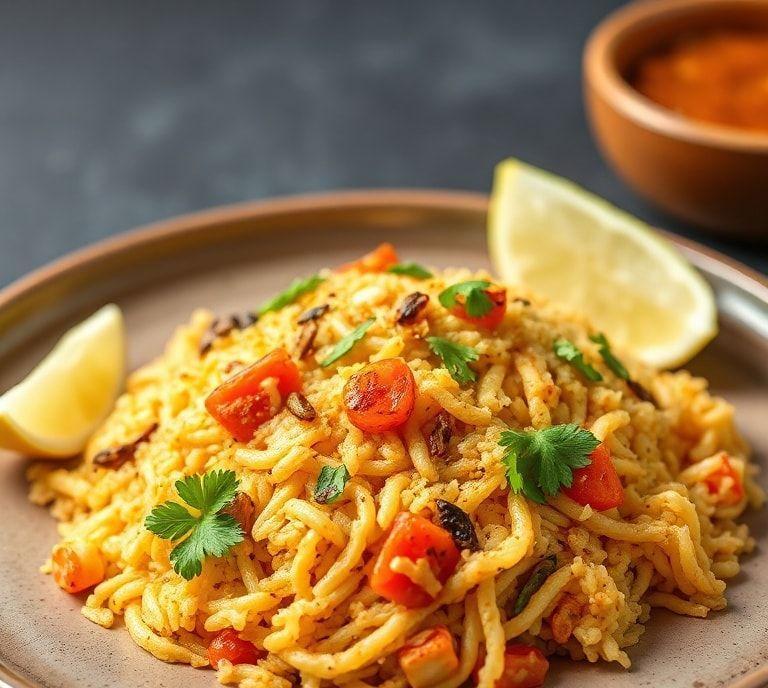
While Nasi Goreng is traditionally made with meat, this vegetarian version has all the bold flavors and textures, but with a lighter, plant-based twist. The rice is stir-fried until it’s crispy and golden, and each bite bursts with the freshness of vegetables and the warmth of spices. This isn’t just fried rice; it’s an experience, one that brings together sweet, savory, and spicy notes in a beautiful balance.
Ingredients Needed
Making this recipe is an easy yet rewarding process. Here’s what you’ll need:
- Cooked Rice (preferably a day old) – The key to any great Nasi Goreng is using day-old rice. The grains have had time to firm up, making them perfect for stir-frying without turning into mush.
- Oil – I prefer using sesame oil for its nutty flavor, but any neutral oil works fine.
- Ginger and Garlic – The aromatic duo that forms the base of many Indian and Asian dishes.
- Onion – Adds sweetness and a bit of crunch.
- Carrot – Thinly sliced or julienned, for a little sweetness and crunch.
- Green Beans – A vibrant vegetable that gives the dish a fresh, earthy bite.
- Bell Peppers – Red or yellow, they add color and a bit of a sweet, crisp texture.
- Tofu (optional) – I like to add some firm tofu for extra protein. It crisps up nicely and soaks in all the flavors.
- Soy Sauce – For that deep umami flavor that gives Nasi Goreng its savory depth.
- Rice Vinegar – Just a splash, to balance the soy sauce and add a little tang.
- Turmeric – For that unmistakable Indian golden hue and earthy flavor.
- Garam Masala – This is where the Indian twist comes in. The blend of warm spices like cumin, coriander, and cardamom gives the dish a unique, comforting flavor.
- Chili Powder – For a kick of heat. You can adjust this depending on your spice tolerance.
- Lime – A little squeeze at the end to freshen everything up.
- Fresh Cilantro – For garnish and a burst of freshness.
Cooking Instructions
Now, the fun begins. I’ve always found stir-fries like this to be a bit of a dance-tossing ingredients in, adding them at the right time, and making sure everything gets that beautiful caramelized crisp. Here’s how you do it:
- Prepare the Rice: If you don’t already have leftover rice, make a batch ahead of time and let it cool completely. You want it to be dry and firm, not mushy.
- Sauté the Aromatics: Heat the oil in a large pan or wok over medium heat. Add the ginger, garlic, and onion, and sauté until fragrant and golden. The aroma should instantly transport you into a blissful state of anticipation.
- Add the Vegetables: Add the carrots, green beans, and bell peppers to the pan. Stir-fry them for about 3-4 minutes until they’re tender-crisp.
- Cook the Tofu: If you’re using tofu, add it now. I like to press it first to remove any excess moisture, then cut it into small cubes. Fry it in the pan until it’s golden and crispy on all sides. It adds such a nice texture to the dish!
- Flavor the Rice: Add the rice to the pan, breaking up any clumps. Drizzle in the soy sauce and rice vinegar, then sprinkle in the turmeric, garam masala, and chili powder. Stir everything together, ensuring the rice is evenly coated in the spices. This is where it all starts to come together.
- Final Touches: Stir-fry the mixture for another 5-7 minutes, allowing the rice to get crispy in places. Once it’s golden and aromatic, remove from the heat.
- Garnish: Squeeze fresh lime over the rice, and top with cilantro. Serve hot, and enjoy every bite.
Ingredient Science Spotlight
Each ingredient in this dish has a reason for being there, and understanding their science makes the dish even more fascinating:
- Rice: Day-old rice works best because the starches in the rice have had time to firm up. When you fry it, the grains stay separate and absorb the flavors without becoming sticky.
- Turmeric: A staple in Indian cuisine, turmeric is packed with curcumin, which gives it its signature color and health benefits. It’s also a natural anti-inflammatory and antioxidant, making this dish both flavorful and healthy.
- Garam Masala: A carefully balanced mix of ground spices like cumin, coriander, and cardamom, garam masala adds warmth and depth to the dish. Each spice in this mix has its own health benefits, from aiding digestion to boosting metabolism.
- Soy Sauce: While soy sauce may seem out of place in Indian cooking, it’s an excellent source of umami. It contains glutamates, which are compounds that enhance the savory flavors in food, making the rice taste even more satisfying.
Expert Tips
- Rice Texture: If you can’t wait to use leftover rice, cook fresh rice and spread it out on a baking sheet to cool quickly. This will help remove excess moisture so it fries better.
- Customize with Heat: If you’re a spice lover, add a sliced fresh green chili or a dash of hot sauce to the rice before serving.
- Balance Your Vegetables: If you don’t have green beans, peas or even baby corn can be great substitutes. The key is to have a mix of textures-crisp vegetables complement the soft, slightly crispy rice.
- Make It Ahead: Nasi Goreng can be made a day ahead and stored in the fridge. In fact, the flavors intensify overnight, so it’s perfect for meal prep.
Recipe Variations
If you want to change things up, here are a few variations to consider:
- Add Coconut Milk: For a richer, creamier version, add a splash of coconut milk along with the soy sauce. This will give the rice a smooth texture and a tropical flair.
- Try Other Vegetables: Experiment with zucchini, peas, or even mushrooms for added flavor and texture. The more variety, the more exciting the dish becomes.
- Vegan Fried Egg: If you’re craving a traditional Nasi Goreng look, top your dish with a crispy fried egg (vegan or not). It adds richness and a beautiful glossy finish.
Final Words
This Indian Vegetarian Nasi Goreng is a wonderful fusion of cultures, textures, and flavors that will make your taste buds do a happy dance. It’s a great dish for those who love the comforting, rich spices of Indian cooking but also enjoy the crispy, stir-fried goodness of Indonesian fried rice. What I love most about this dish is how flexible it is. You can add in your favorite veggies, play with spices, and make it as hot as you like. It’s a celebration of food from different corners of the world, and it comes together in one satisfying plate.
FAQs
What Is The Difference Between Traditional Nasi Goreng And Indian Vegetarian Nasi Goreng?
Traditional nasi goreng is a popular Indonesian fried rice dish typically made with meat, seafood, and a variety of vegetables, often flavored with soy sauce and spices. In contrast, Indian vegetarian nasi goreng is a plant-based version that substitutes the meat with vegetarian ingredients like tofu, paneer, or a variety of vegetables, while incorporating Indian spices such as cumin, coriander, turmeric, and garam masala to give it a unique, flavorful twist.
What Vegetables Are Typically Used In Indian Vegetarian Nasi Goreng?
Indian vegetarian nasi goreng usually incorporates a variety of vegetables such as carrots, peas, bell peppers, green beans, and onions. Additionally, leafy greens like spinach or kale can be added for extra nutrition. These vegetables are sautéed along with Indian spices to add depth of flavor to the fried rice.
Can I Use Basmati Rice For Indian Vegetarian Nasi Goreng?
Yes, basmati rice can be used in Indian vegetarian nasi goreng. Its fragrant, long-grain nature is a great option for fried rice dishes. Just ensure the rice is cooked and cooled before using it in the recipe to avoid it becoming too soft or mushy when fried. Leftover basmati rice works especially well as it helps retain the texture when stir-frying.