When it comes to cooking, there’s something incredibly satisfying about creating a meal from scratch. As someone who’s always enjoyed the rhythm of chopping, stirring, and seasoning, I’ve come to realize how comforting it can be to prepare something simple, yet nourishing. There’s no magic in it-just the alchemy of bringing together a handful of ingredients to create something greater than the sum of its parts.
Vegetarian dishes, in particular, hold a special place in my heart. Not only are they often lighter on the stomach, but they offer so much room for creativity. I’ve always been fascinated by how a few fresh vegetables, legumes, and spices can turn into a flavorful, hearty meal. And let’s be honest, there’s no shortage of vegetable-based dishes that can leave you feeling like you’re missing nothing in terms of taste or satisfaction.
So, if you’re looking to get into the groove of vegetarian cooking or simply want a fresh idea for your next meal, I’ve got you covered. Let’s start with something light, easy to prepare, and bursting with flavor. I’m talking about a vegetarian stir-fry that’s as colorful as it is tasty.
Starter Vegetarian Recipe: Colorful Veggie Stir-Fry
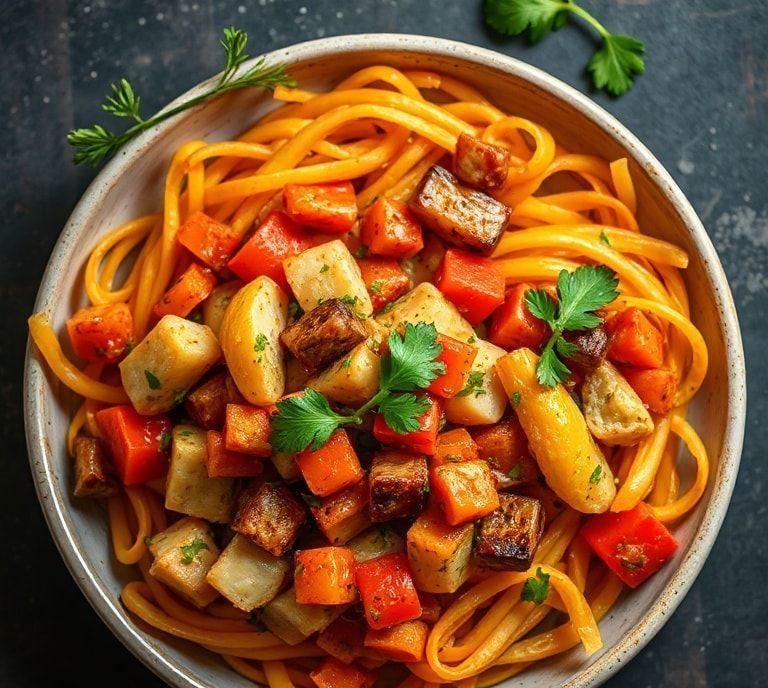
A stir-fry might just be one of the best beginner vegetarian dishes to master. It’s fast, versatile, and can be customized to include whatever vegetables you have on hand. Plus, you can serve it over rice, noodles, or even just on its own if you’re feeling particularly healthy that day. Trust me, it’s hard to mess up, and the end result always feels like a small triumph. I’ve lost track of how many times I’ve turned to stir-fry on a busy evening when I need something quick, yet satisfying.
This recipe is for a Colorful Veggie Stir-Fry with a soy-sesame sauce that’ll elevate even the simplest of veggies. The best part? You can swap ingredients based on what you have in your fridge or what’s in season.
Ingredients Needed
Here’s a breakdown of the essentials for your stir-fry:
-
Vegetables (choose Your Favorites Or Go With What’s Available)
- 1 bell pepper (any color-red, yellow, or green)
- 1 small head of broccoli (or cauliflower if you prefer)
- 1 medium carrot (julienned or sliced thinly)
- 1 zucchini (sliced)
- 1/2 cup snap peas (or green beans for variety)
-
Aromatics
- 2 cloves of garlic (minced)
- 1-inch piece of ginger (grated or finely chopped)
-
Sauce
- 3 tablespoons soy sauce (use tamari if gluten-free)
- 1 tablespoon sesame oil (you can swap for olive oil if you don’t have it)
- 1 teaspoon rice vinegar or lemon juice (to add a little tang)
- 1 tablespoon maple syrup (or honey if you prefer sweetness)
- Optional: a splash of chili sauce or crushed red pepper flakes if you like some heat
-
Toppings
- Sesame seeds (to sprinkle on top)
- Fresh cilantro or green onions (for garnish)
Cooking Instructions
- Prep your vegetables: Begin by cutting all your veggies into bite-sized pieces. You can play with the shapes-julienne the carrots, slice the zucchini, and chop the broccoli into small florets. The more uniform the pieces, the quicker they’ll cook. If you’re not super confident in your knife skills yet, don’t worry. The beauty of stir-fries is that they don’t need to be perfect!
- Prepare the sauce: In a small bowl, whisk together the soy sauce, sesame oil, rice vinegar (or lemon juice), and maple syrup. If you’re using chili sauce or red pepper flakes, add those in as well. Set the sauce aside-don’t worry, it’ll come together in a flash when we get to the stir-fry itself.
- Start cooking: Heat a large pan or wok over medium-high heat. Add a little oil-vegetable or canola oil works well here-and when it’s hot, add your garlic and ginger. Stir them around quickly to release their flavors, but be careful not to burn them!
- Add your veggies: Start with the veggies that need more time to cook, like the broccoli and carrots. Stir them for about 3-4 minutes until they start to soften but still have a little crunch. Add the bell pepper, zucchini, and snap peas last, stirring everything together. You want to keep the veggies vibrant, so don’t overcook them.
- Pour in the sauce: Once the veggies are cooked to your liking, pour in the sauce. Stir everything together until the sauce evenly coats all the veggies, letting it simmer for just 1-2 minutes to heat through.
- Serve: Once the stir-fry is ready, spoon it over rice or noodles, or just enjoy it on its own. Sprinkle sesame seeds and fresh herbs on top for that extra burst of flavor.
Ingredient Science Spotlight
I find it fascinating how each ingredient in this dish brings something essential to the table-both in flavor and texture. Take the broccoli, for example. It’s not only a powerhouse of vitamins and fiber but its slightly bitter taste balances out the sweetness from the maple syrup and the richness from the sesame oil. It’s nature’s perfect foil. The carrots, with their natural sweetness and crispness, provide contrast and color. And then there’s ginger, which isn’t just an aromatic addition-it’s packed with anti-inflammatory properties and helps to give the stir-fry a little heat and brightness.
What’s even more interesting is how the sesame oil contributes to the overall flavor profile. It has this rich, toasty, nutty flavor that really complements the soy sauce. The combination of these ingredients doesn’t just create a meal; it makes the stir-fry feel like a balanced symphony of tastes.
Expert Tips
- Don’t overcrowd the pan: If you’re making a big batch, it’s better to stir-fry in batches to ensure the veggies cook evenly. Overcrowding the pan traps steam, and that can make your veggies soggy instead of crisp and tender.
- Use high heat: Stir-fries are all about that high heat. It cooks the vegetables quickly, preserving their nutrients and texture. If you have a wok, use it. If not, a large skillet will do just fine.
- Don’t be afraid of substitutions: While I’ve listed specific vegetables, this recipe is super adaptable. Swap in mushrooms, snow peas, or even kale if that’s what you have on hand. The beauty of a stir-fry is in its flexibility.
Recipe Variations
- Protein Additions: Add tofu, tempeh, or edamame for a protein boost. Tofu works particularly well in stir-fries because it absorbs all the delicious sauce.
- Spicy Stir-Fry: If you want a spicy kick, add a sliced red chili or drizzle in some sriracha sauce when you mix in the stir-fry sauce.
- Noodles: For a heartier dish, throw in some cooked noodles (like soba or rice noodles) and toss them in the stir-fry sauce to get a full meal.
- Sweet and Sour Twist: Add a little pineapple and a splash of lime juice to create a sweet and sour variation.
Final Words
When I think about the joy of cooking, it’s not always about creating something complicated or over-the-top. Sometimes, it’s about those small wins-like getting a stir-fry just right. It’s simple, wholesome, and feels like a mini celebration each time I pull it together. This recipe is a great way to dive into the world of vegetarian cooking. It’s fast, healthy, and leaves plenty of room for experimentation. And the best part? No need to stress about getting it perfect. It’s all about enjoying the process and knowing that you’ve just made something nourishing from scratch.
FAQs
What Are Some Easy Starter Vegetarian Recipes For Beginners?
For beginners, simple recipes like vegetable stir-fry, caprese salad, or roasted vegetable wraps are ideal. They require minimal ingredients and basic cooking techniques, making them accessible while still being flavorful and nutritious.
How Can I Make A Starter Vegetarian Recipe More Protein-rich?
You can increase protein content by incorporating ingredients like chickpeas, lentils, tofu, tempeh, or quinoa. For instance, a roasted vegetable quinoa salad or a chickpea salad wrap provides a balanced mix of protein and fiber while keeping the dish vegetarian.
What Are Some Tips For Seasoning And Flavoring Starter Vegetarian Dishes?
Using fresh herbs, spices, and flavorful condiments can elevate vegetarian dishes. Garlic, ginger, cumin, paprika, and lemon juice are versatile options. Additionally, incorporating sauces like tahini, pesto, or yogurt-based dressings can enhance taste without adding meat.