
Sometimes, it feels like the simplest meals are the ones that stick with us the longest. There’s something about the blend of flavors that transports us back to childhood kitchens, or the little bistro down a side street in a city we once visited. For me, olives have always been one of those little joys-something small but packed with history and flavor. They’re salty, briny, and even a little bit bitter, yet somehow they tie everything together in a way that feels like a perfect marriage of flavors.
In this recipe, I’m sharing a hearty, satisfying vegetarian dish that centers on one of my absolute favorite ingredients: olives. Olives are often underestimated in their versatility, but they’ve been a staple in Mediterranean cuisine for centuries. Whether they’re served as a snack or incorporated into something more substantial, they add depth, umami, and a bit of mystery. If you’ve never thought about olives as the star of a vegetarian meal, I invite you to give this a try-you might just fall in love with them, as I did.
Olives Vegetarian Recipe
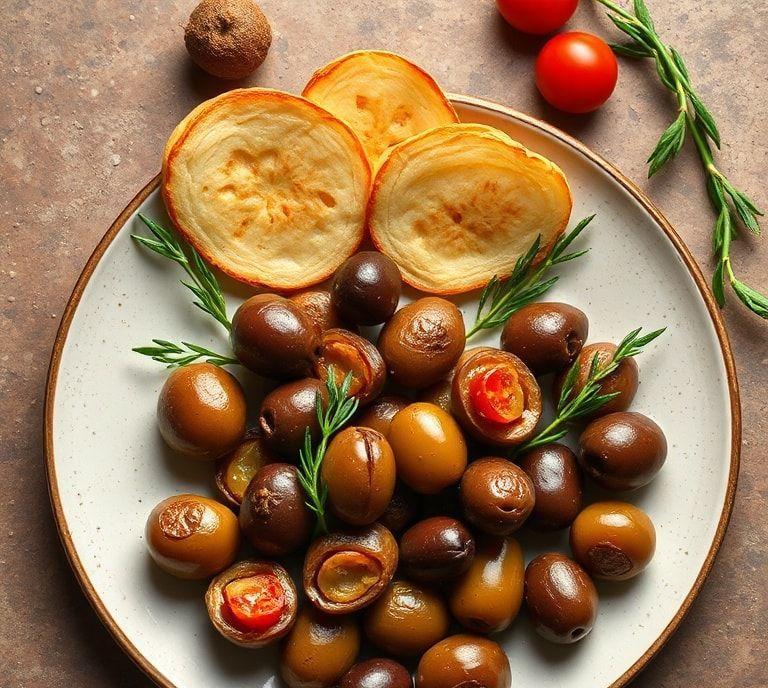
This recipe is simple and easy but delivers on taste. Think of it as a celebration of the olive’s potential, paired with fresh, vibrant vegetables and just enough seasoning to enhance the flavors without overwhelming them. The combination of textures-crunchy, tender, and smooth-works beautifully, and the olives truly shine.
I often make this dish when I want something light yet filling. It’s perfect as a side dish for a more elaborate dinner or as the main event if you’re looking to keep things light. Plus, it’s a great option if you’re cooking for a group with dietary restrictions because it’s naturally vegetarian and can easily be made vegan with a few tweaks.
Ingredients Needed
- Mixed olives (about 1 ½ cups) – Kalamata, green, and black olives all work beautifully. I like to use a variety because each type has its own distinctive flavor.
- Cherry tomatoes (1 cup, halved) – A pop of sweetness to balance the brine of the olives.
- Zucchini (1 medium, sliced) – This veggie brings a mild sweetness and texture to the dish.
- Red onion (1 small, thinly sliced) – A little sharpness to cut through the richness.
- Garlic (2 cloves, minced) – Because garlic makes everything better, and in this case, it’s the flavor foundation.
- Fresh herbs (a handful of basil or parsley) – Fresh herbs bring brightness and color. You could also use thyme if you want a more earthy, aromatic twist.
- Olive oil (2 tbsp) – For sautéing and a bit of richness. Since we’re using olives, this step feels like a natural extension.
- Lemon (1, zest and juice) – The acidity helps balance out the rich olive flavors and freshens the whole dish.
- Red pepper flakes (1/2 tsp, optional) – For a bit of spice, which is entirely optional but adds a lovely warmth.
Cooking Instructions
- Prep your veggies. First, slice the zucchini into rounds, halve the cherry tomatoes, and thinly slice the onion. Mince the garlic, zest the lemon, and set aside the fresh herbs. I like to set everything up before I start cooking-it makes things move along quicker.
- Sauté the veggies. Heat olive oil in a large skillet over medium heat. Add the garlic and red onion first and sauté for about 2 minutes, just until fragrant and softened. Then toss in the zucchini and cook until it starts to turn golden and softens, about 5-7 minutes.
- Add the olives and tomatoes. Once the zucchini is ready, toss in the olives and cherry tomatoes. Stir everything together and cook for an additional 3-5 minutes, just enough for the tomatoes to soften but not break down completely. You want them to keep their shape, adding a nice burst of flavor when you bite into them.
- Finish the dish. Remove the pan from heat, then add the lemon zest, juice, and fresh herbs. Give it all one final toss, making sure everything’s coated in the olive oil and lemon juice.
- Taste and adjust. Before serving, give the dish a quick taste. If it needs a little more salt, a dash of pepper, or an extra squeeze of lemon juice, go for it. Sometimes, the olives are all the seasoning you need, but a little adjustment can make all the difference.
Ingredient Science Spotlight
What makes olives such an incredible ingredient, especially in a vegetarian dish like this? It’s all about their balance of bitter, salty, and umami flavors. The scientific magic behind olives is in their unique profile of polyphenols, which are antioxidants that help contribute to the bitterness. But olives also contain oleuropein, a compound that, when paired with salt, helps create that unmistakable savory quality that gives dishes a depth of flavor we often associate with more ’meaty’ ingredients.
Then there’s the fat. Olives are rich in monounsaturated fats, which are great for heart health and give the dish a nice, silky finish. And let’s not forget the vitamin E and other healthy fats that provide long-term health benefits. When combined with the acidic, sweet, and herbal elements in this recipe, you get a multi-dimensional dish that satisfies a variety of cravings, all while being incredibly nutritious.
Expert Tips
- Olives and their brine: If you’re using store-bought olives, give them a quick rinse to reduce some of their saltiness-unless, of course, you’re into the brine! Some olives come in brine that can be used in cooking for an extra depth of flavor, so feel free to play around with that.
- Zucchini alternatives: If zucchini isn’t your thing, try eggplant or bell peppers. They’ll give the dish a slightly different texture but still carry the same Mediterranean flavors.
- Layering flavors: Add a few dollops of tahini or drizzle some balsamic vinegar over the finished dish. The tanginess of balsamic or the creaminess of tahini can elevate the flavors even more.
- Make ahead: This dish holds up surprisingly well, so you can prepare it ahead of time and let the flavors meld together in the fridge for a few hours or overnight. It also works great as leftovers.
Recipe Variations
- Add cheese: If you’re not strictly vegan, crumble some feta or goat cheese on top just before serving. The saltiness pairs perfectly with the olives and adds a creamy texture.
- Grain-based twist: For a more filling option, serve the vegetable mixture over couscous, quinoa, or farro. These grains will absorb the flavors from the olives and lemon, making for a hearty main dish.
- For a smoky kick: Add a smoked paprika sprinkle for a deeper, smokier flavor that complements the briny olives.
- Herb swap: If basil or parsley isn’t available, try thyme, oregano, or mint. They each bring their own distinct twist on the recipe.
Final Words
When I first started experimenting with olives in vegetarian dishes, I’ll admit I was a little skeptical. Could something so small, so often relegated to being a garnish or an afterthought, really be the star of the show? The answer, I found, is a resounding yes. Olives pack so much character and are such an underappreciated powerhouse of flavor. Whether you’re a longtime fan or just starting to explore their versatility, this dish is a beautiful way to bring their complexity to the forefront.
FAQs
What Are Some Common Ingredients In A Vegetarian Recipe With Olives?
Common ingredients in a vegetarian recipe with olives often include a variety of fresh vegetables such as tomatoes, cucumbers, and bell peppers. Additional ingredients might include herbs like oregano, basil, and parsley, along with seasonings like garlic, lemon juice, and olive oil. Grains such as quinoa, couscous, or rice are also frequently included to complement the olives.
Can Olives Be Used As The Main Ingredient In A Vegetarian Recipe?
Yes, olives can serve as a main ingredient in several vegetarian recipes. They can be featured in Mediterranean-inspired dishes like olive tapenade, a spread made from pureed olives, capers, and olive oil. Olives can also be the star of pasta dishes, grain salads, or roasted vegetable medleys, adding flavor and texture to the meal.
Are There Any Health Benefits To Including Olives In A Vegetarian Recipe?
Olives are a highly nutritious ingredient, rich in healthy monounsaturated fats, fiber, and antioxidants like vitamin E. Including olives in a vegetarian recipe can help support heart health, reduce inflammation, and provide a good source of vitamins and minerals. Olives also contain compounds that may help improve digestive health and contribute to overall well-being.