There’s something about a steaming bowl of ramen that feels like a hug in a bowl. Whether it’s the comforting warmth of the broth, the satisfying slurp of noodles, or the variety of textures from the veggies and toppings, ramen is a dish that can be comforting, filling, and downright addictive. As someone who’s dabbled in the kitchen for years, I can confidently say that ramen can be a world of endless possibilities-especially when you take the plunge into creating a vegetarian version.
I’ll admit, I used to think that ramen could only be the rich, meaty kind, with pork broth that simmered for hours. But I’ve since discovered that you can craft a flavorful, hearty vegetarian ramen that’s every bit as satisfying. And the best part? It’s incredibly easy to make! You don’t need to be a seasoned chef to pull it off. The ingredients are simple, the steps are straightforward, and the result? Pure comfort in a bowl.
So, grab your apron, let’s get cooking! And trust me, this vegetarian ramen bowl will soon be your go-to when you crave something that’s both nutritious and delicious.
Ramen Bowl Vegetarian Recipe
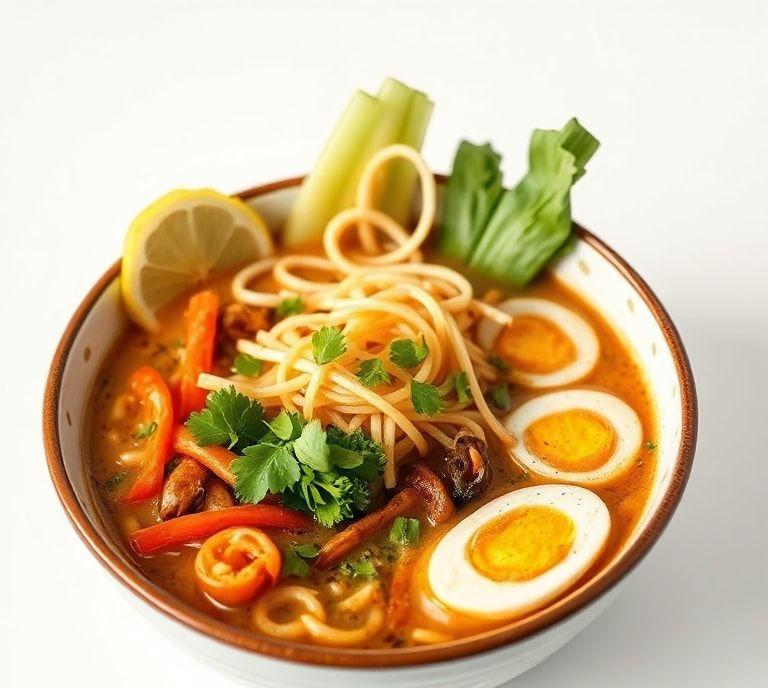
I’ve had my fair share of ramen experiments-some wildly successful, some not-so-much-but there’s one recipe that’s stood the test of time in my kitchen: a vegetarian ramen bowl that’s full of flavor and texture. It’s everything you want in a meal: light yet satisfying, bursting with umami, and perfectly balanced. Whether you’re a seasoned plant-based eater or just someone looking to try something new, this ramen bowl is for you.
Here’s the basic breakdown of how to make it:
Ingredients Needed
For the broth:
- Vegetable broth (4 cups) – A rich, flavorful base. You could also use miso broth for a deeper umami flavor.
- Soy sauce (2 tbsp) – For that savory, salty punch.
- Sesame oil (1 tsp) – Adds a nutty richness.
- Garlic (2 cloves, minced) – Because garlic makes everything better.
- Ginger (1-inch piece, sliced) – Fresh and zesty, this brings a little heat to the dish.
- Miso paste (2 tbsp) – This is the secret weapon for that deep, fermented flavor that you’d expect from traditional ramen.
- Rice vinegar (1 tbsp) – To add just a hint of acidity and balance out the richness.
- Chili paste (optional, 1 tsp) – If you like a little spice!
For the noodles:
- Ramen noodles (2 servings) – You can use store-bought or homemade. Fresh noodles are always my favorite, but instant ramen noodles also work in a pinch.
Toppings:
- Soft-boiled eggs (optional, 2) – If you’re not strictly vegan, this adds that creamy richness that ramen lovers crave.
- Tofu (1/2 block, cubed and sautéed) – For a bit of protein and texture.
- Shiitake mushrooms (1 cup, sliced) – These earthy mushrooms are ideal for adding depth to the broth.
- Spinach (1 handful) – Fresh greens to add a vibrant color and boost nutrition.
- Corn (1/2 cup) – Sweet and juicy kernels that pop with every bite.
- Green onions (2 stalks, sliced) – For that fresh, zesty bite on top.
- Sesame seeds (for garnish) – Just a little sprinkle adds a nutty finish.
Cooking Instructions
- Make the Broth: Start by heating a large pot over medium heat and adding a drizzle of sesame oil. Once it’s warm, throw in the minced garlic and sliced ginger. Let them cook for about 2 minutes, stirring occasionally, until they become fragrant (it’s like a mini aromatherapy session in your kitchen). Next, pour in the vegetable broth and bring it to a gentle simmer. Stir in the soy sauce, miso paste, and rice vinegar. Let the broth simmer for about 10 minutes, allowing all the flavors to meld together. If you want a bit of heat, now’s the time to add your chili paste.
- Prepare the Noodles: While the broth simmers, cook your ramen noodles according to the package instructions. If you’re using fresh noodles, it’ll only take a few minutes, so keep an eye on them. Drain and set them aside.
- Cook the Tofu: In a separate pan, sauté your tofu cubes in a little bit of sesame oil until they become golden and crispy on the outside. This adds texture and a bit of richness to your ramen. Set aside.
- Assemble the Ramen Bowl: Once the broth is ready and the noodles are cooked, it’s time to assemble! Divide the noodles into bowls and pour the hot broth over them. Layer in the sautéed tofu, shiitake mushrooms, spinach, corn, and soft-boiled eggs (if using). Garnish with green onions and a sprinkle of sesame seeds for that final touch of crunch.
Ingredient Science Spotlight
If there’s one thing I’ve learned through my cooking adventures, it’s that every ingredient in a dish plays a role beyond just flavor. It’s all about balance-textures, tastes, and even nutrition.
- Miso Paste: This fermented paste made from soybeans (sometimes with rice or barley) is the heart of traditional ramen broth. Its umami-packed nature is a game-changer, giving depth to the broth. But beyond taste, miso is also rich in probiotics, which can be great for gut health. The fermentation process introduces beneficial bacteria that can support digestion. Plus, it’s a good source of protein and vitamins like B12.
- Tofu: While it may seem like a humble ingredient, tofu is packed with protein and healthy fats. It also has a mild flavor that makes it versatile enough to absorb all the flavors around it. When sautéed until crispy, it adds a nice contrast to the smoothness of the broth and noodles.
- Sesame Oil: This oil has a robust, nutty flavor that’s essential in many Asian dishes. It’s full of healthy fats and antioxidants, making it not just a flavor enhancer, but a beneficial ingredient for heart health.
- Shiitake Mushrooms: These mushrooms aren’t just an ingredient for flavor; they’re also rich in compounds like lentinans, which have been studied for their potential immune-boosting properties. The deep, umami taste they bring is unmatched in any vegetarian broth.
Expert Tips
- Make it ahead: If you’re planning for a busy week, you can make the broth ahead of time. It actually tastes better the next day once all the flavors have had a chance to meld together. Just store it in an airtight container in the fridge.
- Don’t skip the soft-boiled egg: It’s a small touch, but that rich yolk is a game-changer. If you’re aiming for a fully plant-based ramen, you can skip the egg and add extra tofu or even avocado for creaminess.
- Get creative with toppings: Try adding pickled ginger, a few slices of nori (seaweed), or even a sprinkle of chili flakes if you like a bit more heat.
- Adjust the broth: If you like a lighter broth, you can use less miso paste and vegetable broth, or even swap the vegetable broth for coconut milk to make it creamier.
Recipe Variations
- Spicy Miso Ramen: If you love heat, try adding more chili paste or even a splash of sriracha to the broth. You can also sprinkle some chili flakes on top for an extra kick.
- Coconut Curry Ramen: Swap the vegetable broth for coconut milk and stir in a spoonful of red curry paste for a tropical twist. You can also add lemongrass or lime leaves for additional depth.
- Mushroom Medley: Instead of just shiitake mushrooms, throw in some button mushrooms or oyster mushrooms for more variety. Different mushrooms bring different textures, and the combination makes the ramen more exciting.
- Zucchini Noodles: For a low-carb twist, you can replace ramen noodles with zucchini noodles (zoodles). The zucchini’s mild flavor will soak up the broth perfectly, and the crunchiness adds a new dimension to the texture.
Final Words
This vegetarian ramen bowl is one of those dishes that feels like a celebration of simple ingredients. It’s a meal that can be made on a whim but feels like a well-planned feast. The beauty of it is that it’s so adaptable-you can swap in whatever vegetables or proteins you have on hand, and it’ll still be just as satisfying.
The real joy of cooking this ramen is the moment you take that first bite. It’s a balance of warm, savory broth, chewy noodles, fresh veggies, and toppings that bring texture and flavor in every spoonful. It’s comfort food, but with a fresh, plant-based twist.
FAQs
What Are The Key Ingredients For A Vegetarian Ramen Bowl?
The key ingredients for a vegetarian ramen bowl typically include vegetable broth, ramen noodles, tofu or tempeh, fresh vegetables (such as spinach, mushrooms, carrots, and corn), soy sauce, miso paste, sesame oil, garlic, and ginger. Garnishes like green onions, nori, and a soft-boiled egg (optional) are also commonly added.
Can I Make A Vegan Version Of A Vegetarian Ramen Bowl?
Yes, you can easily make a vegan version of a vegetarian ramen bowl by substituting the soft-boiled egg with other plant-based protein sources, such as additional tofu, tempeh, or edamame. Ensure that the vegetable broth and miso paste are vegan-friendly, and use plant-based alternatives to any non-vegan condiments like hoisin or sesame oil.
How Can I Add More Flavor To My Vegetarian Ramen Bowl?
To enhance the flavor of your vegetarian ramen bowl, consider adding ingredients like chili oil or sriracha for heat, a splash of rice vinegar or lime juice for acidity, or a drizzle of toasted sesame oil for a nutty depth. You can also experiment with different types of miso (white, red, or yellow) or incorporate fermented vegetables like kimchi or pickled ginger for additional layers of flavor.