There’s something about the combination of fresh, vibrant vegetables and savory, aromatic seasonings that makes vegetarian dishes feel like a celebration. One of my favorite meals to put together when I want something light, satisfying, and utterly delicious is an Asian-inspired vegetable bowl. It’s got all the elements I love: crispy textures, bold flavors, and a perfect balance of heat, sweet, and savory. The great thing about this dish is that it’s incredibly flexible-you can toss in any vegetables you’ve got on hand and play around with sauces and spices to suit your taste.
I first stumbled upon this bowl while trying to make use of an overflowing vegetable drawer in my fridge. I had leftover rice, a bunch of carrots, and some cabbage that was starting to get a bit wilted. I threw everything together, added a touch of soy sauce, and it turned into something so much better than I expected. Since then, it’s become one of those go-to meals I can whip up on a busy weeknight or even make ahead for lunch.
This bowl is perfect if you’re craving a filling meal that doesn’t weigh you down, but still gives you all the good stuff. Plus, it’s packed with a rainbow of colors, so it’s as fun to look at as it is to eat.
Asian Bowl Vegetarian Recipe
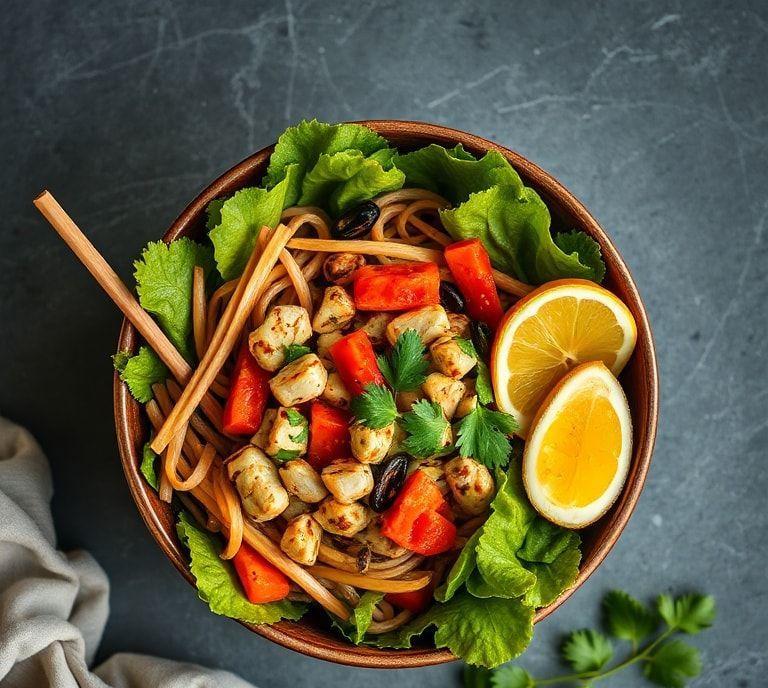
The beauty of this recipe lies in its simplicity. It doesn’t require anything fancy or hard to find; just fresh ingredients and a handful of pantry staples. The key to an unforgettable Asian bowl is balance-balancing sweet, salty, tangy, and umami flavors with a variety of textures. What you end up with is an explosion of tastes and a satisfying, healthy meal that checks all the boxes. Here’s how you can recreate it.
Ingredients Needed
For The Base
- 2 cups cooked rice (I love using brown rice for the extra fiber, but white rice or quinoa work great too)
- 1 cup shredded cabbage (green, purple, or a mix)
- 1 medium carrot, julienned or thinly sliced
- 1/2 cucumber, thinly sliced
- 1/4 cup edamame (optional, but adds a nice pop of color and texture)
- 1 avocado, sliced (for a creamy, rich element)
For The Dressing
- 3 tbsp soy sauce or tamari (if you’re gluten-free)
- 1 tbsp sesame oil
- 1 tbsp rice vinegar
- 1 tbsp honey or maple syrup (adjust depending on how sweet you like it)
- 1 garlic clove, minced
- 1-inch piece of fresh ginger, grated
- A pinch of chili flakes (optional, for a kick)
For Garnish
- Sesame seeds
- Fresh cilantro or green onions, chopped
- A squeeze of lime
Cooking Instructions
-
Prepare The Rice
Start by cooking your rice. If you’ve got leftover rice, this is a great time to use it! Rice, especially when it’s had time to cool, gives the dish a great texture. Just make sure to heat it up a little before serving.
-
Prep The Veggies
While the rice is cooking (or reheating), get to work on the veggies. Shred the cabbage, slice the carrots and cucumber, and pit and slice the avocado. If you’re using edamame, steam or thaw it (if frozen). I love the crunch the cabbage adds, but if you’re feeling lazy, you could totally use pre-shredded slaw mix from the store-no judgment!
-
Make The Dressing
In a small bowl, whisk together the soy sauce, sesame oil, rice vinegar, honey, garlic, and ginger. Taste and adjust the sweetness and spice level to your liking. This dressing is tangy, a little salty, and has a hint of sweetness with a zing from the ginger. The sesame oil brings in that nutty depth that ties everything together.
-
Assemble The Bowl
Start with a base of rice. Arrange the veggies neatly on top-this is where you can get creative. I usually put the cabbage, carrots, cucumber, and edamame in a little quadrant of the bowl for color. Toss the avocado slices on top for that creamy texture. Drizzle the dressing over the whole thing.
-
Garnish And Serve
To finish, sprinkle sesame seeds, fresh cilantro, or chopped green onions on top. A squeeze of lime adds a zesty kick that brings everything to life. And if you’re into a little extra heat, you can top it off with chili flakes or a dash of sriracha.
Ingredient Science Spotlight
One of the things I find so fascinating about this dish is how every ingredient has its own role in creating balance. Take the rice, for example. It’s the neutral base that soaks up all the other flavors. Brown rice is fantastic because it’s high in fiber and has a slight nutty taste, making it not just filling but also hearty.
Then there’s the avocado, which isn’t just a trendy addition. The creamy texture of the avocado contrasts beautifully with the crunchy vegetables, providing that ’melt-in-your-mouth’ experience. Avocados are also packed with healthy fats, which help your body absorb fat-soluble vitamins like A, D, and E from the other veggies.
The sesame oil is another powerhouse ingredient. It’s rich in antioxidants and gives the dish a deep, toasty flavor. The soy sauce (or tamari) provides the umami, the fifth taste sensation that makes everything savory and delicious.
And don’t get me started on the ginger! Not only does it add a zingy flavor, but it’s also great for digestion and has anti-inflammatory properties. I’ve found that ginger does something magical in this recipe-it brings together all the other flavors, making them feel more vibrant.
Expert Tips
-
Customize Your Protein
If you’re looking to add more protein to your bowl, feel free to toss in some grilled tofu or tempeh. Both take on the flavor of the dressing beautifully. You can also add chickpeas or even a boiled egg for extra protein.
-
Toast Your Sesame Seeds
Toasting sesame seeds in a dry pan for just a minute or so before sprinkling them on top makes a huge difference. It brings out their natural oils and gives them an even deeper nutty flavor.
-
Don’t Skip The Lime
It might seem small, but that squeeze of fresh lime juice at the end is key. It cuts through the richness of the avocado and brightens up the dish. Plus, the acidity helps balance out the saltiness of the soy sauce.
-
Prep Ahead
This dish is perfect for meal prep. You can cook the rice and chop your veggies in advance and store everything in separate containers. When you’re ready to eat, just toss everything together with the dressing, and you’re good to go!
Recipe Variations
The beauty of this bowl is that you can mix and match ingredients based on what’s in season or what you have in the pantry. Here are a few variations to try:
- Sweet Potato Power Bowl: Swap the rice for roasted sweet potatoes, which add a naturally sweet and creamy element. You can also sprinkle a little cinnamon for an extra layer of flavor.
- Mango Tango: Add fresh mango slices for a burst of sweetness that pairs beautifully with the savory elements in the bowl. The contrast of the juicy fruit against the crunchy veggies is divine.
- Spicy Peanut Sauce: If you love a bit of heat, try making a spicy peanut sauce by blending peanut butter, soy sauce, lime juice, and sriracha. Drizzle this over the veggies for an extra layer of flavor and richness.
- Grilled Mushrooms: Mushrooms are a great way to add umami to a vegetarian dish. Grill or sauté some portobello mushrooms and add them on top for a more meaty texture.
Final Words
This recipe is all about versatility and balance. There’s something incredibly satisfying about a meal that’s not just delicious but also healthy and colorful. Whether you’re cooking for yourself or sharing with others, this bowl is a crowd-pleaser, packed with textures and flavors that appeal to anyone-even if they’re not typically vegetarian. It’s a recipe that makes you feel good while you eat and even better afterward.
FAQs
What Ingredients Are Typically Used In An Asian Vegetarian Bowl?
An Asian vegetarian bowl typically includes a variety of fresh vegetables such as carrots, cucumbers, bell peppers, and cabbage. It may also include grains like rice or quinoa, tofu or tempeh for protein, and a variety of toppings like sesame seeds, avocado, or edamame. The dish is often flavored with soy sauce, ginger, garlic, sesame oil, and rice vinegar to enhance the taste.
How Can I Make The Dressing For An Asian Vegetarian Bowl?
The dressing for an Asian vegetarian bowl is often a balance of salty, sweet, and tangy flavors. A basic recipe includes soy sauce, sesame oil, rice vinegar, honey or maple syrup, grated ginger, and garlic. You can also add chili flakes or Sriracha for a spicy kick. Whisk the ingredients together and drizzle over the bowl before serving. Adjust the quantities to your preference for sweetness or acidity.
Can I Customize The Ingredients In An Asian Vegetarian Bowl?
Yes, the beauty of an Asian vegetarian bowl is its versatility. You can customize the ingredients based on your preferences or what you have available. Swap out the tofu for tempeh or chickpeas, replace rice with noodles or quinoa, or add other vegetables like spinach, broccoli, or avocado. Feel free to experiment with different sauces, herbs, and spices to create your ideal combination.