There’s something about the comforting, smoky flavor of Pad See Ew that just feels like home. Whether you’ve had it from a bustling street food cart in Thailand or a cozy, dimly lit restaurant down the block, it has a way of grabbing hold of your tastebuds. I first tried Pad See Ew when I was in Bangkok, wandering through the narrow streets lined with vendors cooking up all kinds of dishes. The smoke from the woks filled the air, and the smell was irresistible. I decided to try the Pad See Ew, a simple yet powerful dish of stir-fried rice noodles, veggies, and soy sauce, usually paired with some sort of protein. As soon as I took a bite, I was hooked. It’s been one of my go-to dishes to recreate at home ever since. But this time, I’m sharing my vegetarian take on the classic.
Making Pad See Ew at home doesn’t have to be intimidating. In fact, it’s a wonderful dish to prepare in your own kitchen-it’s quick, easy, and packed with flavors that feel both rich and fresh. And what’s even better is that you can tweak it to suit your tastes, using whatever vegetables you have on hand. Today, I’ll walk you through a vegetarian version that packs all the flavors of the original but with a more plant-forward twist. Grab your wok (or a large skillet if that’s more your style) and let’s dive in.
Pad See Ew Vegetarian Recipe
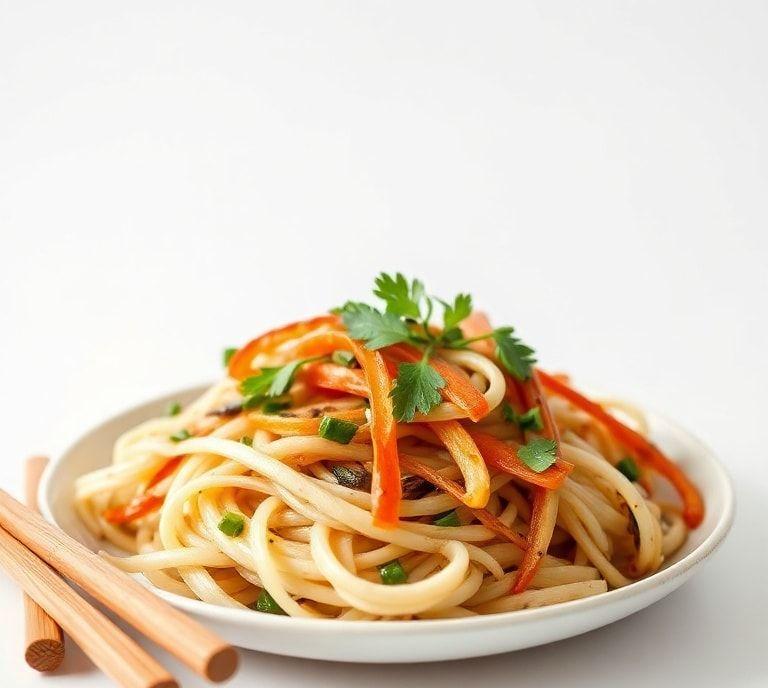
This vegetarian Pad See Ew recipe is all about balance. The sweetness of the soy sauce, the richness of the stir-fry, and the smoky char that you get from cooking everything over high heat make for an unforgettable dish. It’s hearty, savory, and deeply satisfying-and best of all, it’s easy to make. You can customize it based on your personal preferences and what’s available in your kitchen.
Ingredients Needed
- Rice noodles: The soft, wide ones work best for Pad See Ew. You can find them at most Asian grocery stores. They’re the key to getting that chewy, satisfying texture.
- Vegetables: A mix of broccoli, carrots, bell peppers, and baby corn gives this dish both texture and color. But feel free to switch up the veggies depending on what you have. I’ve used spinach and mushrooms before, and it’s always delicious.
- Soy sauce: Dark soy sauce adds depth and a touch of sweetness, while light soy sauce brings saltiness and a savory balance. If you can’t find both, regular soy sauce will work-just adjust the quantity a little to keep the balance.
- Oyster sauce (vegetarian version): This sauce is rich and umami-packed, giving the dish its signature depth. You can find vegetarian oyster sauce made from mushrooms, which works perfectly in this recipe.
- Garlic: Fresh garlic is essential. It brings that aromatic base note to the dish.
- Vegetable oil: For stir-frying. It needs to be something that can handle high heat, like canola or peanut oil.
- Rice vinegar or lime juice: Just a dash to cut through the richness of the sauce.
- Chili (optional): If you like a little heat, throw in a chopped Thai bird’s eye chili or some chili flakes.
- Tofu (optional): If you want to add some protein, cubed tofu is an excellent option. It soaks up the flavors wonderfully and gives the dish an extra heartiness.
Cooking Instructions
Here’s where the magic happens. Pad See Ew relies on high heat and a bit of technique to get that charred, smoky flavor we all love. Here’s how I do it:
- Prep your ingredients: If you’re using dried rice noodles, follow the package instructions to soften them. Usually, a 10-minute soak in warm water does the trick. Slice your veggies thinly-this helps them cook quickly and evenly. Chop the garlic finely. If you’re using tofu, press it gently to remove excess water and then cut it into cubes.
- Heat your pan: I use a wok for this, but any large, heavy skillet will do. Heat it over medium-high heat and add a generous splash of vegetable oil. You want the oil to shimmer but not smoke.
- Sauté garlic: Add the garlic and cook it for about 30 seconds, just until it becomes fragrant and golden. Be careful not to burn it, or it’ll turn bitter.
- Add your veggies: Toss in the harder vegetables first-broccoli, carrots, and bell peppers. Stir-fry them for 2-3 minutes until they start to soften. Add the softer ones, like baby corn or mushrooms, and cook for another 2 minutes.
- Push veggies to the side: Move the veggies over to the side of the wok. If you’re adding tofu, throw it into the empty part of the pan and let it crisp up a little bit.
- Cook the noodles: Add the soaked rice noodles to the pan. Give them a quick stir to combine with the veggies and tofu. Let them sit for a moment to get a bit of that lovely char on the noodles.
- Add the sauces: Drizzle in your soy sauce, dark soy sauce, and vegetarian oyster sauce. Stir well to coat everything. Let the noodles soak in the sauce and get that delicious caramelized flavor for another minute or two.
- Final touches: A little splash of rice vinegar or a squeeze of lime juice adds brightness and balance. Give everything a final toss, and you’re done!
Ingredient Science Spotlight
When making Pad See Ew, it’s easy to focus on the flavors, but there’s a lot going on behind the scenes with the ingredients. Take the rice noodles, for example. Their chewy texture comes from the high starch content, which is key for soaking up sauces without turning mushy. The starch also helps the noodles develop that slightly sticky texture, which helps them bind together with the other ingredients in the dish.
The caramelization of the soy sauces, especially the dark soy sauce, is also a crucial part of the recipe. As it cooks, the sugars in the sauce caramelize, giving the dish a rich, almost sweet flavor that’s balanced by the savory and umami notes from the vegetarian oyster sauce.
The high heat of the stir-fry also adds a layer of flavor through the Maillard reaction. This is a chemical process that occurs when proteins and sugars are exposed to heat, giving everything that mouth-watering browned and charred goodness.
Expert Tips
- Use a hot pan: The high heat is key to getting that smoky flavor and crispy bits. Don’t be afraid of a little charring on the noodles-they’re meant to get crispy!
- Don’t overcrowd the pan: If you’re making a big batch, cook in batches. Overcrowding the pan will steam the ingredients instead of stir-frying them, which means you won’t get that signature smoky flavor.
- Prep ahead: Pad See Ew comes together quickly, so have all your ingredients prepped and ready before you start cooking.
- Adjust the saltiness: If your soy sauce is very salty, you might want to adjust the amount you add to the dish. Taste as you go and remember you can always add more at the end.
- Let the tofu sit: If you’re using tofu, let it sit in the pan for a few minutes without stirring too much. This allows it to get crispy and golden, adding texture to the dish.
Recipe Variations
- Add more protein: If you’re not strictly vegetarian, you can easily add tempeh, seitan, or even a scrambled egg to the dish.
- Different vegetables: Try using bok choy, zucchini, or snap peas for a twist on the traditional veggie mix. The beauty of Pad See Ew is that you can use whatever’s in season or what you have on hand.
- Spicy version: Add a chopped Thai chili or drizzle in some chili oil for extra heat. This will give the dish a nice kick and balance out the sweetness of the soy sauce.
- Gluten-free: Swap out the regular soy sauce for tamari, which is gluten-free. Also, make sure your rice noodles are certified gluten-free, as some brands add wheat flour.
Final Words
Pad See Ew is one of those dishes that makes you feel like you’ve just had a home-cooked meal straight from the streets of Bangkok. It’s hearty, flavorful, and surprisingly easy to make at home. The balance of smoky, salty, sweet, and umami is truly magic. The fact that it’s vegetarian just makes it that much more accessible, and it’s a fantastic way to load up on veggies without sacrificing flavor.
FAQs
What Ingredients Are Needed For A Vegetarian Pad See Ew Recipe?
A vegetarian Pad See Ew recipe typically includes wide rice noodles, soy sauce (or tamari for a gluten-free option), dark soy sauce, sugar, vegetable oil, garlic, tofu (optional for added protein), and a variety of vegetables such as broccoli, carrots, bell peppers, and baby corn. For a traditional flavor, it’s also common to use eggs, but they can be omitted for a fully plant-based version.
How Do You Make Vegetarian Pad See Ew Noodles At Home?
To make vegetarian Pad See Ew at home, start by cooking the wide rice noodles according to the package instructions, then set them aside. In a wok or large pan, heat vegetable oil and sauté minced garlic until fragrant. Add your vegetables and stir-fry until they are tender but still crisp. Push the veggies to one side and scramble the eggs (if using) on the other side. Add the noodles, pour in the soy sauces, sugar, and any additional seasonings, and toss everything together until the noodles are well coated and heated through. Serve immediately.
Can I Substitute The Tofu With Other Ingredients In A Vegetarian Pad See Ew Recipe?
Yes, tofu is a common protein option in vegetarian Pad See Ew, but you can easily substitute it with other plant-based ingredients. For example, tempeh, seitan, or even a combination of mushrooms can work well as alternatives. If you’re looking for a non-soy-based option, you can also try using chickpeas or lentils for added protein and texture.