The magic of Arabic food lies in its ability to transport you. It’s not just about nourishment-it’s about connection. The way a single meal can evoke memories of family gatherings, the bustling markets, or the warm embrace of a grandmother’s kitchen. I remember one of my first encounters with Arabic vegetarian cuisine. I was invited to a friend’s family gathering, where the table was spread with an array of colorful dishes. At the center was a fragrant dish that caught my eye-a traditional Arabic vegetable stew. That first bite was a revelation-the spices were warm and inviting, the vegetables perfectly tender, and the flavors layered in such a way that each bite was more satisfying than the last. It’s an experience I’ll never forget, and it’s one I hope to share with you through this recipe.
Arabic Vegetarian Recipe
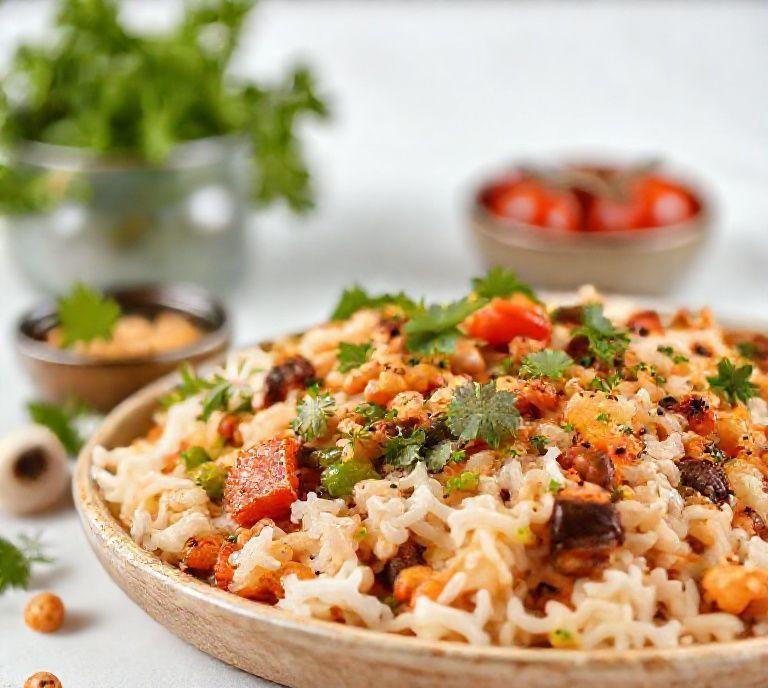
Let’s focus on a dish that’s quite a staple in Arabic homes-Mujaddara. It’s a lentil and rice dish, humble yet incredibly flavorful. The beauty of Mujaddara is its simplicity, relying on just a few key ingredients, but the way those ingredients come together is what makes it so extraordinary. It’s a dish that’s filling, hearty, and-when prepared with love and patience-an absolute joy to eat.
Ingredients Needed
You’ll need the following ingredients for Mujaddara:
-
1 Cup Of Green Or Brown Lentils
Lentils are a classic source of plant-based protein, fiber, and iron. They have a mild, earthy flavor, which is perfect for soaking up the spices we’ll be adding.
-
1 Cup Of Rice
Basmati rice is ideal for this recipe due to its fragrant aroma and long, slender grains that don’t stick together as easily. It adds a lovely texture to the dish.
-
2 Large Onions
The onions are the star of the show here. Caramelized onions add sweetness and richness to the dish. They’re the finishing touch, transforming this from a simple stew into something truly decadent.
-
4 Tablespoons Of Olive Oil
Olive oil is the heart and soul of Arabic cooking. It’s used generously for sautéing, drizzling, and sometimes even finishing off dishes. You’ll want a good quality extra virgin olive oil to elevate the flavors.
-
1 Teaspoon Of Cumin
Cumin is a cornerstone of Arabic and Middle Eastern cooking. It has a warm, earthy, and slightly citrusy flavor that adds depth to the dish.
-
1 Teaspoon Of Coriander
Coriander pairs beautifully with cumin and offers a bit of citrusy freshness to the dish.
-
Salt And Black Pepper To Taste
Seasoning is key. You can also adjust the salt level depending on whether you plan to serve this with other salty items (like yogurt or pickles).
-
1-2 Teaspoons Of Cinnamon (optional)
Some recipes include cinnamon for a subtle, warming touch that brings out the earthy flavors of the lentils and rice. If you’re new to Arabic cuisine, try a small amount at first-it’s a comforting note that balances the dish.
Cooking Instructions
-
Prepare The Lentils
Begin by rinsing your lentils thoroughly under cold water. Place them in a pot, cover them with water, and bring them to a boil. Lower the heat to a simmer and cook for about 15-20 minutes, or until they’re just tender but not mushy. Drain the lentils and set them aside.
-
Cook The Rice
In a separate pot, rinse your basmati rice under cold water to remove excess starch. Combine the rice with 1 ½ cups of water, add a pinch of salt, and bring it to a boil. Lower the heat and let it simmer for about 15 minutes until the water is absorbed and the rice is cooked through. Set aside.
-
Caramelize The Onions
While your lentils and rice are cooking, slice the onions thinly. Heat the olive oil in a large pan over medium heat. Add the onions and cook them slowly, stirring occasionally, until they turn golden brown and caramelized. This can take about 15 minutes, but it’s worth the time. The sweet, caramelized onions will bring an irresistible flavor to the dish.
-
Combine And Season
In the pan with the caramelized onions, add the cooked rice and lentils. Stir well to combine, then add the cumin, coriander, salt, pepper, and cinnamon (if using). Stir everything together, making sure the rice and lentils are evenly coated with the spices and the onions are well distributed.
-
Final Touches
Let the dish cook together for an additional 5-10 minutes, allowing the flavors to meld. If you find the mixture a bit dry, feel free to drizzle in more olive oil or a splash of water. Taste and adjust the seasoning if needed.
-
Serve And Enjoy
Serve your Mujaddara warm, topped with extra caramelized onions. This dish pairs beautifully with a simple side of yogurt and a fresh cucumber salad.
Ingredient Science Spotlight
Let’s take a moment to appreciate the science behind a few key ingredients in this dish.
- Lentils are packed with protein, making them a perfect meat alternative. They’re also high in fiber, which helps to regulate digestion. Plus, they’re an excellent source of iron, which is crucial for maintaining energy levels, especially in a vegetarian diet.
- Rice is often a blank canvas in many dishes, absorbing all the surrounding flavors. Basmati rice, in particular, has a unique aroma due to a compound called 2-acetyl-1-pyrroline, which gives it that signature fragrance. It’s also lower in glycemic index compared to regular rice, making it a healthier option for blood sugar regulation.
- Onions are not just flavorful; they’re rich in antioxidants and compounds like quercetin, which can have anti-inflammatory effects. Caramelizing them releases their natural sugars, giving them a depth of sweetness that’s far from what you’d expect from the raw, sharp flavor of an onion.
Expert Tips
-
Perfect Caramelized Onions
Patience is key here. Don’t rush the process. Stir occasionally, but let the onions brown slowly over medium heat. The longer you cook them, the more their natural sugars will caramelize, creating that sweet and savory contrast you’re looking for.
-
Soaking Lentils
If you have a little more time, soak the lentils for a few hours before cooking them. This can reduce cooking time and make them more digestible.
-
Layering Flavors
Don’t shy away from adding extra spices like cardamom or a pinch of allspice for a more robust, aromatic dish. These spices are often used in Arabic cooking to add complexity to the flavor profile.
Recipe Variations
Mujaddara is wonderfully versatile. Here are a few variations to try:
- Add vegetables: You can throw in a variety of vegetables like carrots, bell peppers, or tomatoes for extra color and nutrition.
- Spicy version: If you love heat, add a chopped chili pepper or a sprinkle of chili flakes along with the cumin and coriander.
- Herb infusion: Fresh herbs like parsley or mint can be stirred in after cooking to add a burst of freshness.
Final Words
Mujaddara is more than just a dish-it’s a celebration of simplicity and the beauty of letting ingredients speak for themselves. It’s a comforting meal that brings together the richness of olive oil, the warmth of spices, and the earthy goodness of lentils and rice. Plus, it’s budget-friendly, healthy, and incredibly satisfying. It’s perfect for a weeknight dinner or a special gathering with friends and family.
FAQs
What Are Some Traditional Arabic Vegetarian Recipes?
Traditional Arabic vegetarian recipes include dishes such as Mujadara (a lentil and rice dish topped with caramelized onions), Falafel (deep-fried chickpea patties), Baba Ganoush (smoky roasted eggplant dip), Tabbouleh (a fresh parsley and bulgur salad), and Fattoush (a salad made with toasted or fried pieces of pita bread and mixed vegetables). These dishes often rely on legumes, grains, fresh herbs, and spices for flavor.
What Common Ingredients Are Used In Arabic Vegetarian Cooking?
Arabic vegetarian cooking commonly uses ingredients such as chickpeas, lentils, fava beans, rice, bulgur, eggplant, tomatoes, onions, garlic, olive oil, lemon juice, fresh herbs like parsley and mint, and spices including cumin, coriander, sumac, and cinnamon. These ingredients are versatile, providing both protein and flavor in vegetarian dishes.
How Can I Make Arabic Vegetarian Recipes More Flavorful?
To enhance the flavor of Arabic vegetarian recipes, use freshly ground spices, caramelize onions for added sweetness, roast vegetables to deepen their taste, and incorporate citrus or vinegar for acidity. Additionally, adding toasted nuts like pine nuts or almonds and fresh herbs like parsley or cilantro can create layers of flavor and texture that make dishes more authentic and satisfying.