There’s something deeply comforting about a plate of meatballs simmering in rich, flavorful sauce. Whether you’re pulling a dinner together on a busy weeknight or preparing a meal for friends and family, this dish has a way of bringing people together. But what if you’re trying to avoid meat, or simply want to switch things up with a vegetarian twist? The idea of vegetarian meatballs might sound a bit unusual at first, but I promise you-it’s nothing short of delicious.
I first discovered the magic of veggie meatballs during a particularly rainy afternoon when I was craving something hearty and comforting but didn’t want to dive into the usual meat-based options. I had some odds and ends in my pantry-lentils, breadcrumbs, and spices-and thought, why not? I figured that with the right sauce, I could easily recreate that cozy, comforting feeling without the meat. I wasn’t expecting it to turn out so perfectly, but it did.
So here we are, sharing this delightful vegetarian meatball sauce recipe. It’s the kind of dish that tastes even better the next day, and it pairs beautifully with a side of pasta, rice, or even roasted vegetables. It’s not just for vegetarians, either-this recipe has enough bold flavors to convert anyone, meat-eater or not.
Vegetarian Meatball Sauce Recipe
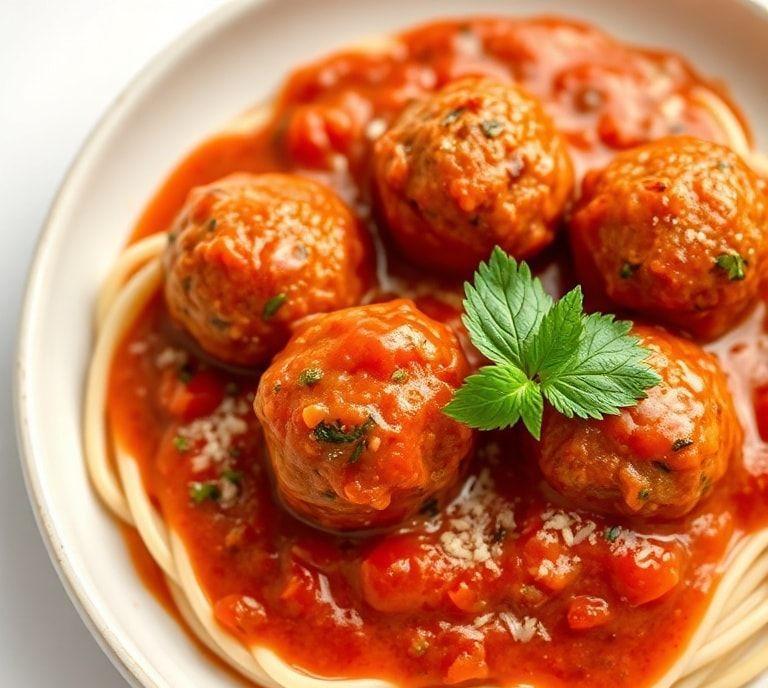
This sauce is one of those that gets better with time. As it simmers, it absorbs all the rich, savory notes from the ingredients, coating the veggie meatballs in a luscious, flavorful embrace. I’ve played around with many variations of vegetarian meatballs, but this sauce is always the hero of the dish. It’s a rich tomato-based concoction with just the right balance of herbs, garlic, and a dash of sweetness from a touch of balsamic vinegar. Here’s how you can make it.
Ingredients Needed
For the vegetarian meatballs:
- 1 cup cooked lentils (green or brown)
- 1/2 cup breadcrumbs (I love using whole wheat for an earthy flavor)
- 1/4 cup grated Parmesan (optional for a more savory flavor)
- 1/4 cup finely chopped fresh parsley
- 1/4 cup grated carrot (for a bit of sweetness and texture)
- 2 cloves garlic, minced
- 1 tablespoon ground flaxseed (to help bind the mixture together)
- 1 tablespoon soy sauce or tamari (for umami)
- 1/2 teaspoon dried oregano
- 1/2 teaspoon smoked paprika
- Salt and pepper to taste
- Olive oil for pan-frying
For the sauce:
- 2 cups canned crushed tomatoes
- 2 tablespoons olive oil
- 1 small onion, finely chopped
- 3 cloves garlic, minced
- 1 teaspoon dried oregano
- 1 teaspoon dried basil
- 1 teaspoon sugar (to balance acidity)
- 1 tablespoon balsamic vinegar (for a rich, tangy note)
- Salt and pepper to taste
Cooking Instructions
- Prepare the meatball mixture: In a large bowl, combine the cooked lentils, breadcrumbs, grated carrot, parsley, garlic, ground flaxseed, soy sauce, oregano, smoked paprika, and Parmesan (if using). Season with salt and pepper. Mix everything until well combined.
- Shape the meatballs: Wet your hands lightly to avoid sticking, then scoop out small portions of the mixture and roll them into balls, about 1 inch in diameter. You should end up with around 20 meatballs, depending on the size.
- Pan-fry the meatballs: Heat a bit of olive oil in a large skillet over medium heat. Once hot, carefully add the meatballs and cook them in batches, turning gently until golden and crispy on all sides. This should take about 5 minutes per batch. Once cooked, transfer them to a plate and set aside.
- Make the sauce: In the same skillet, add the remaining olive oil and sauté the onions and garlic until softened, about 3-4 minutes. Stir in the oregano, basil, and a pinch of salt. Let it all cook for another minute to bring out the flavors.
- Simmer the sauce: Add the crushed tomatoes, sugar, and balsamic vinegar. Stir to combine, scraping up any brown bits from the bottom of the skillet. Bring to a simmer and let it cook for 15-20 minutes, stirring occasionally. Taste and adjust seasoning as needed.
- Combine the meatballs and sauce: Gently add the cooked meatballs into the sauce, making sure they’re all covered. Let them simmer in the sauce for an additional 10-15 minutes, allowing the flavors to meld together.
- Serve: Once the meatballs have absorbed all the goodness of the sauce, serve them up with pasta, rice, or any side of your choice. Enjoy!
Ingredient Science Spotlight
Now, let’s talk about the magic that happens when you combine certain ingredients-specifically, the lentils and flaxseeds in the vegetarian meatballs.
Lentils, one of the main ingredients, are packed with protein, fiber, and iron. They’re a fantastic substitute for meat, not just in terms of texture, but also in their ability to absorb the flavors they’re cooked with. When they’re blended with breadcrumbs and the other ingredients, they create a meatball that holds together without falling apart. Plus, lentils are rich in antioxidants, making them a great addition to any diet.
Flaxseed is another unsung hero in this recipe. When mixed with water, it forms a gel-like substance that acts as a binder, helping the meatballs stay intact. It’s also high in omega-3 fatty acids, which are essential for heart health. Who knew that something so simple could pack such a nutritional punch?
Expert Tips
- Use cooked lentils for ease: You can easily cook lentils ahead of time or use canned ones to save time. Just be sure to rinse them well if using canned lentils to avoid excess salt.
- Add texture: For an extra layer of texture in your meatballs, consider adding finely chopped mushrooms, zucchini, or even nuts like walnuts or pine nuts. These ingredients give the meatballs a nice bite and elevate the overall flavor profile.
- Don’t skip the frying step: While you can technically bake the meatballs, pan-frying them first adds a delicious crispy exterior that really enhances the texture. It also helps to lock in moisture and flavor.
- Season generously: Since this is a vegetarian dish, the seasoning plays a huge role in creating a satisfying flavor profile. Don’t be shy with the garlic, herbs, and balsamic vinegar.
Recipe Variations
- Spicy Kick: Add a teaspoon of red pepper flakes or a few dashes of hot sauce to the sauce for a spicy version. This pairs wonderfully with the mild flavor of the lentil meatballs.
- Vegan Version: Omit the Parmesan in the meatballs and swap the balsamic vinegar for a dash of lemon juice to add a bit of acidity without the dairy.
- Mediterranean Twist: Try adding some chopped olives, capers, and a bit of feta cheese to the sauce to give it a Mediterranean flair. You could even swap the lentils for chickpeas for a more traditional Mediterranean touch.
Final Words
The beauty of this dish is in its simplicity. With just a handful of ingredients and a bit of time, you can create something that’s not only nourishing but also full of flavor. Whether you’re a lifelong vegetarian or just looking to try something new, this vegetarian meatball recipe proves that you don’t need meat to enjoy a hearty, satisfying meal.
FAQs
What Is The Best Type Of Sauce To Serve With Vegetarian Meatballs?
The best type of sauce for vegetarian meatballs is a tomato-based marinara sauce. You can enhance the flavor by adding garlic, onions, olive oil, fresh herbs like basil and oregano, and a touch of red pepper flakes for some heat. A rich, creamy sauce made from coconut milk or cashews can also work well if you’re looking for a dairy-free alternative.
Can I Make A Vegan Version Of The Sauce For Vegetarian Meatballs?
Yes, you can easily make a vegan version of the sauce. Use plant-based alternatives such as olive oil instead of butter, and opt for vegan cream or cashew cream if you want a creamy texture. Additionally, make sure the seasoning does not include any animal-derived ingredients like cheese or honey.
How Can I Add More Flavor To My Vegetarian Meatball Sauce?
To add more flavor to your vegetarian meatball sauce, consider incorporating ingredients like sautéed onions, garlic, mushrooms, bell peppers, and a splash of balsamic vinegar or red wine. For added depth, you can use miso paste, nutritional yeast, or smoked paprika to give the sauce a savory umami boost.