There’s something satisfying about whipping up a meal that feels nourishing and light yet doesn’t require hours of prep. I’ve always been a fan of simple recipes that don’t skimp on flavor, and one of my go-to choices is a quick and easy vegetarian dish. Growing up, my family didn’t have much time to cook extravagant meals on a daily basis, so we learned how to make the most of whatever ingredients we had lying around. From that, I gained a love for recipes that combine a handful of fresh vegetables with spices and a bit of creativity to make something special without turning your kitchen into a war zone.
Today, I’m sharing one of those recipes with you: a hearty, vibrant, and satisfying vegetarian stir-fry. It’s packed with color, flavor, and nutrients, making it perfect for busy days when you want something healthy and comforting but don’t want to spend an eternity in the kitchen. This dish has everything: it’s versatile, quick to prepare, and a blank canvas for endless variations. Let’s dive in!
Vegetarian Quick And Easy Recipe
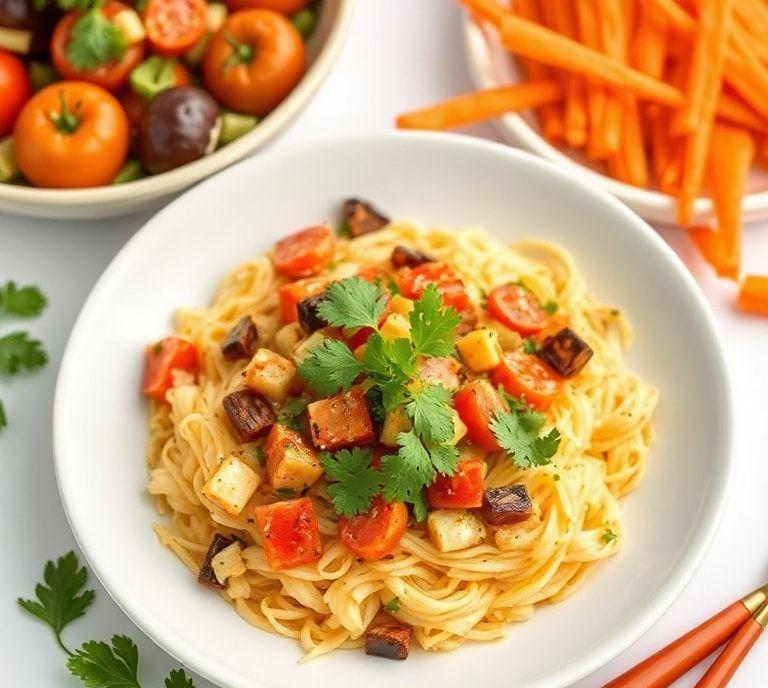
This vegetable stir-fry is all about balance and efficiency-delicious, nutrient-rich veggies tossed in a savory sauce and served with a base of your choice. Whether you go for rice, quinoa, or noodles, you’ll find that it’s the kind of meal that fills you up without weighing you down.
What I love about stir-fries is their flexibility. You can mix and match whatever vegetables you have on hand, and the cooking process remains largely the same. The key is to give each ingredient the right amount of time to cook so that everything stays tender and crisp.
I’m going to share the base recipe here, but I’ll also throw in a few ideas at the end for tweaking it based on what you have in your fridge or your personal tastes.
Ingredients Needed
Here’s what you’ll need to make this simple stir-fry:
- 2 tablespoons vegetable oil (or any neutral oil like canola or sunflower)
- 1 red bell pepper, thinly sliced
- 1 yellow bell pepper, thinly sliced
- 1 medium zucchini, cut into half-moons
- 1 carrot, julienned or thinly sliced
- 1 cup broccoli florets
- 1/2 cup snap peas (optional, but they add a great crunch)
- 3 cloves garlic, minced
- 1 tablespoon fresh ginger, minced or grated
- 3 tablespoons soy sauce (use tamari if gluten-free)
- 1 tablespoon hoisin sauce (or oyster sauce for a non-vegetarian version)
- 1 tablespoon rice vinegar (adds a nice tang)
- 1 teaspoon sesame oil (optional, but adds depth)
- 1/2 teaspoon red chili flakes (optional, depending on how spicy you like it)
- Cooked rice or noodles, for serving
- Fresh cilantro or green onions, for garnish
As you can see, these are all pantry staples that you can easily keep on hand. The veggies in this recipe are meant to be colorful and crunchy, but if you have a different assortment at home-maybe you have mushrooms or bok choy-don’t hesitate to switch things up. The more, the merrier.
Cooking Instructions
- Prep your ingredients: This is the part that takes a bit of time, but once everything is chopped and ready, the stir-fry comes together quickly. Wash and slice your veggies into even pieces so they cook at the same rate. Mince the garlic and ginger.
- Heat the pan: Grab a large skillet or wok, and heat the vegetable oil over medium-high heat. You want the oil to shimmer, but not smoke. If it’s too hot, it could burn the garlic and ginger-trust me, I’ve learned this the hard way!
- Cook the garlic and ginger: Toss the minced garlic and ginger into the pan, stirring constantly for about 30 seconds. You’ll want them to become fragrant and a little golden, but not burnt.
- Stir-fry the veggies: Add the harder veggies first. Start with the carrots, zucchini, and broccoli. Stir-fry them for 3-4 minutes until they begin to soften but still have a bite to them. Then toss in the bell peppers and snap peas (if using). Cook for another 2-3 minutes, stirring occasionally. You’re looking for vibrant colors and a little char on the edges, which means they’re cooked just right.
- Add the sauce: Pour in the soy sauce, hoisin sauce, rice vinegar, sesame oil, and red chili flakes (if using). Stir everything together, making sure the sauce coats all the vegetables. Let it cook for another minute or so to let the flavors meld.
- Serve: Serve your stir-fry over a bed of cooked rice, quinoa, or noodles, and garnish with fresh cilantro or green onions. If you want to get extra fancy, a sprinkle of toasted sesame seeds adds a nice touch.
Ingredient Science Spotlight
Let’s talk about why these ingredients work so well together. The secret behind a good stir-fry lies in the balance of flavors-sweet, salty, sour, and umami. Here’s how each component plays its part:
- Soy sauce is the cornerstone of stir-fry sauce, providing that rich umami flavor that makes everything come together.
- Hoisin sauce brings in sweetness and a hint of spice, adding a layer of complexity to the dish.
- Rice vinegar is the sour note that balances the richness of the soy and hoisin sauces, cutting through the fat of the oil and sesame oil.
- Sesame oil adds a deep, nutty flavor that complements the other ingredients, turning a simple stir-fry into something extraordinary.
- The vegetables themselves-broccoli, peppers, and carrots-are packed with vitamins, minerals, and fiber, making this a wholesome meal that keeps you satisfied without the post-meal sluggishness.
Expert Tips
- Cut your vegetables evenly: Consistency is key. Cutting them to a similar size ensures they cook at the same rate, so you don’t end up with overcooked carrots and undercooked bell peppers.
- High heat, quick cooking: Stir-frying is all about speed and high heat. The oil should be hot, but not smoking, to get that perfect crispy texture on the veggies.
- Use fresh garlic and ginger: There’s a big difference between fresh garlic and pre-minced garlic. Freshly minced garlic and ginger bring a punch of flavor that pre-packaged versions can’t replicate.
- Make it your own: Add a protein source if you like-tempeh, tofu, or even chickpeas work great in this dish. If you’re a meat-eater, chicken, shrimp, or beef can be added with minimal adjustments.
Recipe Variations
If you’re feeling adventurous and want to switch things up, here are some ideas:
- Switch the sauce: If you’re not a fan of hoisin, try adding peanut butter for a creamy, slightly sweet twist.
- Change the veggies: Swap out the zucchini and snap peas for asparagus or mushrooms. You can even throw in some leafy greens like spinach or kale for an added boost of nutrients.
- Add a protein: For extra staying power, toss in some tofu, tempeh, or edamame for a complete meal.
- Spice it up: If you like a bit of heat, throw in some diced fresh chili peppers or a dash of sriracha.
Final Words
I think one of the reasons I keep coming back to this recipe is its simplicity. There’s something deeply satisfying about creating a meal from scratch that’s packed with so much flavor but doesn’t feel like a production. It’s the kind of recipe that works just as well for a solo dinner as it does for a last-minute dinner party with friends. You can change it up every time based on what’s in season, what’s in your fridge, or your mood. It’s always a crowd-pleaser and never feels like a chore.
FAQs
What Are Some Simple Vegetarian Ingredients I Can Use For Quick Meals?
Some common vegetarian ingredients that are perfect for quick meals include canned beans, lentils, frozen vegetables, tofu, tempeh, pasta, quinoa, rice, and fresh greens like spinach and kale. These items can be quickly combined to create nutritious and flavorful dishes without extensive cooking time.
How Can I Make A Quick Vegetarian Dinner In Under 30 Minutes?
To make a quick vegetarian dinner in under 30 minutes, you can prepare dishes such as stir-fries, pasta dishes with vegetable sauces, grain bowls with roasted vegetables, or a simple vegetable curry. Using pre-cooked grains, frozen veggies, and canned beans can significantly reduce cooking time. Additionally, using a one-pan method or a pressure cooker can speed up preparation.
Are There Any Vegetarian Recipes That Require No Cooking?
Yes, there are several no-cook vegetarian recipes you can try, such as salads with mixed greens, chickpea or avocado sandwiches, overnight oats, hummus with raw vegetables, and cold grain bowls. These recipes typically use fresh ingredients or pre-cooked items like grains and legumes, requiring no heat but still providing a satisfying meal.