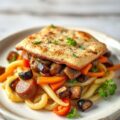
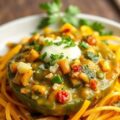
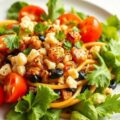
There’s something incredibly satisfying about creating a dish that not only satisfies your cravings but also makes your kitchen smell like a little corner of a Chinese bistro. Vegetarian Kung Pao Chicken has been one of my go-to meals whenever I’m craving something spicy, savory, and full of umami flavors-without any actual chicken. This dish, though born in China, has taken on a life of its own around the world, and as more people look for plant-based options, it’s been a fun challenge to recreate this classic with vegetables that pack just as much punch as the original.
What makes Kung Pao Chicken so special is the balance of flavors: the heat from the chili peppers, the savory depth from the soy sauce, the crunch of peanuts, and the satisfying chewiness of the chicken. With this vegetarian version, I’ve swapped out the meat for hearty alternatives-vegetables and tofu that absorb all those wonderful, bold flavors while still giving you that satisfying bite.
If you’ve never tried a vegetarian Kung Pao Chicken, I’m telling you, you’re in for a treat. You get all the richness of the classic dish, but with a lighter touch that doesn’t weigh you down. The best part? It’s so simple to make, you’ll be able to throw it together for a weeknight dinner or impress friends at a dinner party. Let’s dive in.
Vegetarian Kung Pao Chicken Recipe

To keep the dish both authentic and vegetarian, we’ll use a combination of tofu, mushrooms, and bell peppers. These ingredients give a wonderful mix of textures, from the chewy tofu to the crunchy peppers, and the mushrooms bring an earthy depth that makes it feel like the dish hasn’t lost any of its umami charm.
Here’s the recipe I’ve perfected over time:
Ingredients Needed
For The Stir-fry
- 1 block firm tofu (drained and pressed)
- 1 cup shiitake or cremini mushrooms (sliced thin)
- 1 red bell pepper (diced)
- 1 green bell pepper (diced)
- 2 tablespoons vegetable oil (or peanut oil for an extra nutty flavor)
- 2/3 cup unsalted peanuts (roasted)
- 4-5 dried red chili peppers (or more if you like it spicy)
For The Sauce
- 2 tablespoons soy sauce (use tamari for gluten-free)
- 1 tablespoon rice vinegar
- 1 tablespoon hoisin sauce
- 1 teaspoon sugar (or maple syrup for a less refined touch)
- 1 teaspoon cornstarch (for thickening)
- 1 teaspoon sesame oil
- 2 cloves garlic (minced)
- 1-inch piece fresh ginger (minced or grated)
- 1/2 teaspoon Sichuan peppercorns (optional, but a game changer)
Optional Garnishes
- Sliced green onions
- Sesame seeds
Cooking Instructions
- Prepare the tofu: Start by pressing your tofu. I know, it’s an extra step, but it’s crucial for getting the right texture. Once it’s drained, cut it into cubes and set it aside.
- Make the sauce: In a small bowl, whisk together the soy sauce, rice vinegar, hoisin sauce, sugar, cornstarch, and sesame oil. This is where the magic starts, so take your time to get that balance of salty, sweet, and tangy. Set it aside for later.
- Stir-fry the tofu: Heat a large pan or wok over medium-high heat. Add the vegetable oil, and once hot, add the tofu. Sauté it until it’s golden brown on all sides. This should take about 5-7 minutes. Don’t rush this part-the crispy texture will add so much to the dish.
- Add the vegetables: To the same pan, toss in your bell peppers and mushrooms. Stir-fry them for about 3-4 minutes until they soften a bit but still have some crunch.
- Spices & peanuts: Add the dried red chilies (you can break them in half if you want extra heat), garlic, ginger, and Sichuan peppercorns. Keep stirring to prevent burning, and let the spices bloom for about a minute.
- Combine: Now, pour the sauce over the tofu and vegetables. Stir it around so that everything gets coated. The sauce will thicken up quickly because of the cornstarch, and everything will come together in a glossy, fragrant finish.
- Final touch: Toss in the roasted peanuts, and give everything one last stir.
- Serve: Garnish with fresh green onions and sesame seeds. Serve it hot over steamed rice or noodles.
Ingredient Science Spotlight
In this vegetarian Kung Pao Chicken, every ingredient plays a key role in creating the perfect balance of flavor and texture. Let’s talk about the science behind a few key components:
- Tofu: Tofu is a protein powerhouse made from soybeans, and its texture can be quite neutral, which makes it the perfect blank canvas for absorbing the bold flavors of the sauce. Pressing the tofu gets rid of excess water, allowing it to brown nicely in the pan and develop a crispy exterior.
- Sichuan Peppercorns: If you’ve never tried Sichuan peppercorns, they offer a tingling, numbing sensation on your tongue-an essential flavor profile in many Sichuan dishes. This numbing quality balances out the heat of the dried chilies and rounds out the dish beautifully.
- Peanuts: Peanuts add that crucial crunch and nutty flavor to the dish. Beyond texture, they also help balance the saltiness and spice with their rich, fatty profile.
- Hoison Sauce: A key ingredient in many Chinese dishes, hoisin adds that sweet and savory kick. The sugar and vinegar in the sauce provide the tangy-sweet balance that lifts the entire dish.
Expert Tips
- Crisp tofu: If you want your tofu extra crispy, consider tossing it in a light dusting of cornstarch before frying. It’ll create an even crunchier coating, which is delicious when paired with the soft interior.
- Adjust the spice: If you love spice, add more dried chilies or throw in some chili paste. If you’re sensitive to heat, cut back on the peppers and go light on the Sichuan peppercorns.
- Make ahead: This dish is one of those meals that tastes even better the next day after the flavors have had time to marinate. If you’re meal prepping, feel free to store the stir-fry in the fridge for 2-3 days.
- Use a wok: If you have a wok, use it. The shape of the wok helps cook everything evenly and makes stir-frying quicker and more efficient, especially when you’re dealing with high heat.
Recipe Variations
One of the great things about this dish is its versatility. You can switch up the vegetables based on what’s in season or what you have on hand. Here are a few fun twists:
- Mushroom medley: If you’re a fan of earthy flavors, you could use a mix of wild mushrooms (shiitake, oyster, and maitake). The depth of flavor from these mushrooms adds another layer of complexity to the dish.
- Zucchini or eggplant: Swap in zucchini or eggplant for a slightly different texture and flavor. They absorb the sauce beautifully and add a unique twist to the dish.
- Spicy peanut butter: If you want to make the sauce richer and even more decadent, add a tablespoon of spicy peanut butter to the sauce. It adds creaminess and an extra nutty kick that complements the peanuts.
Final Words
Vegetarian Kung Pao Chicken is a great dish to keep in your regular rotation, whether you’re a dedicated vegetarian or simply trying to add more plant-based meals to your life. The combination of savory, sweet, spicy, and nutty flavors is absolutely addicting, and it’s a dish you can really make your own. Whether you’re cooking for a crowd or just for yourself, this recipe brings a little piece of China straight to your kitchen.
FAQs
What Are The Main Ingredients In A Vegetarian Kung Pao Chicken Recipe?
A vegetarian Kung Pao chicken recipe typically uses plant-based substitutes for chicken, such as tofu, tempeh, or soy protein. The other key ingredients include bell peppers, onions, peanuts, garlic, ginger, soy sauce, hoisin sauce, rice vinegar, and a variety of spices like dried chili peppers, Sichuan peppercorns, and sugar to create a balanced sweet, savory, and spicy flavor profile.
Can I Make A Vegetarian Kung Pao Chicken Recipe Gluten-free?
Yes, you can make a gluten-free version of vegetarian Kung Pao chicken by using gluten-free soy sauce or tamari in place of regular soy sauce. Additionally, ensure that any pre-packaged vegan protein (like tofu or tempeh) does not contain gluten, and check that the hoisin sauce and any other sauces are labeled as gluten-free.
How Can I Adjust The Spice Level In A Vegetarian Kung Pao Chicken Recipe?
The spice level in vegetarian Kung Pao chicken can be adjusted by varying the amount of dried chili peppers and Sichuan peppercorns used. For a milder version, reduce or omit the dried chilies, or opt for a lower-spice chili like Anaheim peppers. If you prefer a spicier dish, you can increase the number of chilies and add chili paste or hot sauce to taste.