Cooking has always been a bridge for me, connecting my memories, culture, and the joy of sharing food with others. There’s something about a dish as simple as rice that can hold so much depth. Growing up, I remember my grandmother preparing different variations of rice-some savory, others sweet, but always made with care. It was her comforting, earthy rice that first taught me how a basic grain could transform into something truly spectacular when combined with just the right ingredients. Today, I want to share with you a rice-based vegetarian recipe that holds a special place in my heart, and I think it might just become a staple in your kitchen too.
Rice is one of the most versatile ingredients in any cuisine. Whether you’re a seasoned home cook or someone just starting to dabble in the kitchen, rice is forgiving, easy to work with, and can be made into a meal that’s both nutritious and delicious. Let’s dive into a rice vegetarian recipe that has layers of flavor, textures, and a healthy twist.
Rice Vegetarian Recipe
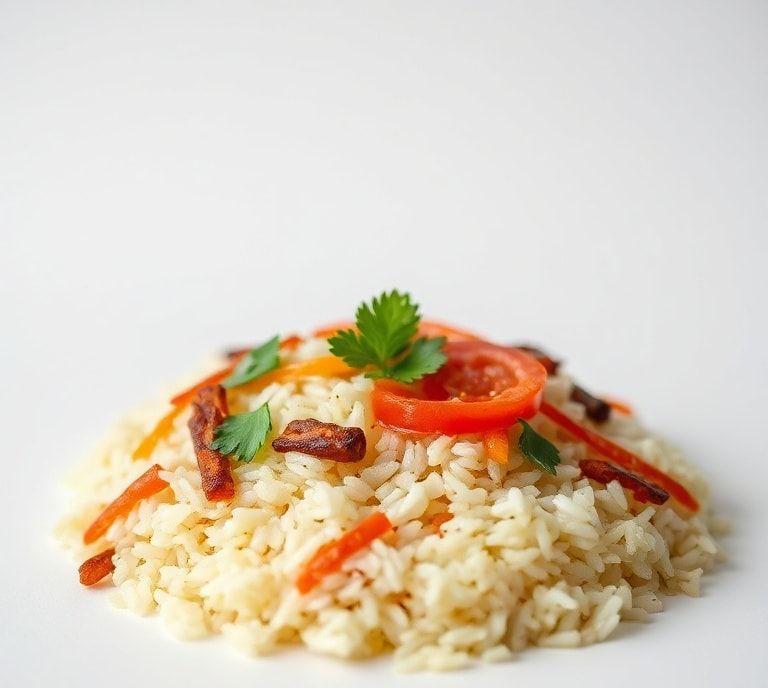
This dish, which I like to call "Vegetable Rice Pilaf," is a one-pot wonder that brings together fresh vegetables, aromatic spices, and fluffy rice. The beauty of this recipe is in its simplicity; it’s the kind of meal that doesn’t need a lot of attention, yet the results are satisfying. You can adjust the vegetables based on what you have in your fridge or what’s in season, making it a perfect, customizable dish for any time of year.
Here’s a dish that is light, flavorful, and utterly comforting-perfect for a weeknight dinner or as a side dish to a bigger spread. It’s hearty enough to stand alone, but also pairs wonderfully with a variety of proteins, or even just a dollop of yogurt.
Ingredients Needed
To make this Vegetable Rice Pilaf, you’ll need a few basic ingredients. Most of them are likely things you already have in your pantry or fridge:
- 1 cup basmati rice – Basmati’s fragrance and long grain make it ideal for pilaf-style dishes.
- 2 tablespoons olive oil or ghee – You can use butter if you prefer. Ghee adds a rich, nutty flavor, but olive oil keeps it light.
- 1 small onion, finely chopped – The onion will sauté to a sweet, aromatic base.
- 2 cloves garlic, minced – Fresh garlic adds that savory punch.
- 1 carrot, diced – For a little sweetness and crunch.
- 1/2 cup green peas – They add a pop of color and texture.
- 1/2 red bell pepper, diced – Adds a sweet, crisp element.
- 1 zucchini, chopped – The zucchini’s moisture and delicate flavor are perfect for a dish like this.
- 1/2 teaspoon ground turmeric – For a warm, earthy flavor and that beautiful yellow color.
- 1 teaspoon ground cumin – For a nutty, aromatic kick.
- 1 teaspoon paprika – Adds a subtle smokiness.
- Salt and pepper to taste – Season to your preference.
- 2 cups vegetable broth or water – To cook the rice and bring all the flavors together.
- Fresh herbs for garnish – Think cilantro or parsley for a fresh finish.
Cooking Instructions
- Rinse the rice: Start by rinsing the basmati rice under cold water until the water runs clear. This helps remove excess starch and ensures that the rice won’t be too sticky.
- Prepare the vegetables: While the rice is soaking, prep your veggies. Dice the carrots, chop the zucchini, and mince the garlic. You want to have everything ready before you start cooking, as the process moves quickly.
- Sauté the aromatics: In a large pot, heat the olive oil (or ghee) over medium heat. Add the chopped onion and sauté until softened and golden, about 5 minutes. Then, add the garlic, cumin, turmeric, and paprika. Stir to coat the onions and garlic in the spices, letting everything cook for another minute to bloom the spices.
- Add the vegetables: Toss in the carrots, peas, bell pepper, and zucchini. Stir everything together to combine and cook for another 5-7 minutes until the veggies start to soften but still have a bit of crunch.
- Cook the rice: Add the soaked rice to the pot with the vegetables. Stir everything together, ensuring the rice is well-coated in the oil and spices. Pour in the vegetable broth (or water) and bring it to a gentle boil. Once it starts bubbling, lower the heat, cover the pot, and let it simmer for about 15 minutes or until the rice is cooked and fluffy. Resist the urge to lift the lid too often – letting the rice steam undisturbed is key to the perfect texture.
- Fluff and serve: Once the rice is cooked, turn off the heat and let it sit, covered, for another 5 minutes. This step allows the rice to fully absorb any remaining liquid and settle. After that, fluff the rice with a fork and garnish with fresh herbs like cilantro or parsley. Serve it warm, and enjoy!
Ingredient Science Spotlight
It’s interesting to think about how each ingredient in this dish plays a role in the final flavor and texture. Let’s start with rice – the choice of basmati rice is no accident. Its long grains don’t stick together when cooked, and it’s naturally aromatic. This makes it a perfect base for a pilaf-style dish where the grains stay separate but absorb the flavors of the spices.
The spices, like cumin and turmeric, work together to create depth. Turmeric’s earthy flavor comes from curcumin, which is known for its anti-inflammatory properties. Cumin adds that warm, nutty note that balances the sweetness of the bell peppers and carrots. The paprika introduces a subtle smokiness, which is a nice contrast to the fresh herbs added at the end.
The vegetables themselves are a perfect balance of textures and flavors. Carrots bring sweetness, zucchini adds moisture, and the peas provide a pop of color and a mild taste that ties everything together.
Expert Tips
- Sauté the spices: Don’t rush the step where you sauté the spices with the onion and garlic. Let them bloom in the hot oil – this enhances their flavors and ensures they’ll infuse the rice beautifully.
- Customize the vegetables: One of the best parts of this dish is how flexible it is. If you have other vegetables on hand – like sweet potatoes, mushrooms, or green beans – feel free to swap them in.
- Use broth for flavor: While water works fine, using vegetable broth elevates the dish, infusing more depth of flavor into the rice.
- Don’t skip the fluffing: Once the rice is done cooking, fluff it with a fork to prevent clumping. This step is key to achieving that light, airy texture.
Recipe Variations
- Add nuts or dried fruits: For a touch of sweetness and crunch, try tossing in some raisins, cranberries, or slivered almonds after cooking. This adds a new layer of complexity and makes the dish even more vibrant.
- Spicy twist: If you like a little heat, throw in some chopped green chilies or a dash of cayenne pepper when sautéing the onions and garlic.
- Make it creamy: Add a dollop of Greek yogurt or a splash of coconut milk at the end for a creamy twist that complements the spices perfectly.
Final Words
This Vegetable Rice Pilaf is one of those dishes that’s both simple and special. It’s great for a quick weeknight dinner, but also elegant enough for a dinner party or a potluck. The beauty of it is in its versatility. Whether you make it with whatever vegetables you have in your fridge or adjust the spices to suit your taste, it’s a meal that adapts to your preferences while remaining grounded in wholesome, comforting ingredients.
FAQs
What Are Some Common Ingredients For A Rice Vegetarian Recipe?
Common ingredients for a rice vegetarian recipe include various types of rice (like basmati, jasmine, or brown rice), vegetables (such as bell peppers, onions, carrots, peas, and tomatoes), legumes (like chickpeas or lentils), spices (such as cumin, turmeric, and garam masala), and seasonings (including garlic, ginger, and soy sauce). You can also add nuts like almonds or cashews and fresh herbs like cilantro for extra flavor.
How Can I Make A Simple Vegetarian Rice Recipe?
To make a simple vegetarian rice recipe, start by cooking the rice according to package instructions. In a separate pan, sauté onions, garlic, and your choice of vegetables (like bell peppers, peas, or spinach) in olive oil. Add spices like cumin, coriander, or chili powder for flavor. Once the vegetables are tender, mix them with the cooked rice. You can also add a protein source such as tofu, chickpeas, or lentils. Finish with a garnish of fresh herbs like cilantro or parsley.
Can Rice Vegetarian Recipes Be Made In Advance?
Yes, rice vegetarian recipes can be made in advance and stored for later use. You can prepare the rice and vegetables ahead of time, and store them in an airtight container in the refrigerator for up to 3-4 days. When you’re ready to eat, simply reheat the dish on the stovetop or in the microwave. Some rice dishes, like vegetable biryani or fried rice, even taste better the next day as the flavors have had more time to meld.