There’s something truly comforting about the rich, spiced flavors of a classic Tikka Masala, but I’ve always believed that there’s magic in making it from scratch-especially when you give it a twist. As someone who’s been in the kitchen experimenting for years, I can confidently say that a vegetarian version of Tikka Masala doesn’t just meet the mark, it elevates it.
The key to a great Vegetarian Tikka Masala is the balance between the smoky, tangy, and creamy elements. You get the depth of flavor from the charred vegetables, the slight heat from the spices, and the soothing, velvety texture of the tomato cream sauce. You’ll find that with a few simple swaps, the dish becomes just as satisfying as its meaty counterpart, if not more so. This isn’t just a recipe-it’s a celebration of how vegetarian dishes can be as hearty and indulgent as any traditional meat-based meal.
If you’ve never made Tikka Masala from scratch before, don’t worry; this recipe breaks it down step by step. Even if you’re someone who’s used to cooking simple meals, you’ll find yourself getting lost in the flavors and feeling a sense of accomplishment as you put together each layer. It’s one of those dishes that feels like a labor of love, but doesn’t require an expert hand in the kitchen. It’s approachable, comforting, and deeply rewarding.
Vegetarian Tikka Masala Recipe
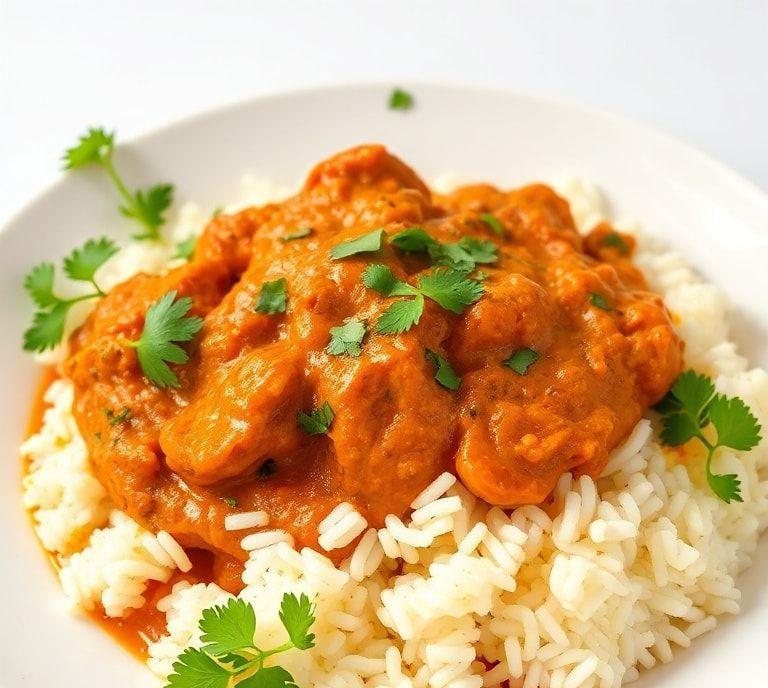
Let’s get to the fun part-the recipe. I’ll guide you through it slowly, but with plenty of joy, because cooking is meant to be a celebration, not a chore. This version of Tikka Masala is a mix of roasted vegetables (think cauliflower, bell peppers, and sweet potatoes) and a rich, spiced tomato-based gravy that’s naturally vegetarian. No mock meats here, just the wholesome goodness of vegetables shining through the aromatic spices.
Whether you’re a seasoned chef or a beginner, you’ll find yourself making this dish over and over again, tweaking it to your own taste as you go.
Ingredients Needed
For this Vegetarian Tikka Masala, you’ll need a few core ingredients that combine to create that signature depth of flavor:
- Cauliflower – This is the perfect vegetable for the dish, as it absorbs the spices beautifully while holding its shape. You could also use potatoes or sweet potatoes if you prefer.
- Bell peppers – These bring a touch of sweetness and color. Red or yellow work best here.
- Onion – A base for that deep, savory richness, and the first layer of flavor to build upon.
- Tomatoes – Fresh or canned, they’re the key to the smooth, tangy sauce.
- Coconut cream or heavy cream – For that signature creamy texture. I love using coconut cream for a bit of sweetness, but heavy cream is a classic choice.
- Ginger and garlic – The fragrance is essential. I’ll never skip these two.
- Spices – Here’s where the magic happens: Garam masala, ground cumin, coriander, turmeric, smoked paprika, and a bit of chili powder for heat. You can’t go wrong with these.
- Lemon juice – A dash of acidity to balance out the creaminess.
- Cilantro – For garnish, because we eat with our eyes first, right?
Cooking Instructions
-
Roast The Veggies
Preheat your oven to 400°F (200°C). Cut your cauliflower into florets and chop your bell peppers into bite-sized chunks. Toss them in a little olive oil, salt, and pepper, and spread them out on a baking sheet. Roast them for about 20-25 minutes until the cauliflower is golden brown and tender, and the peppers are soft but still hold their shape. Don’t rush this step-getting a little char on the cauliflower is key to that smoky flavor.
-
Prepare The Sauce
While your veggies are roasting, heat some oil in a large pan over medium heat. Add finely chopped onions, and sauté them until they’re soft and translucent, about 5 minutes. Then, add your ginger and garlic, and cook until fragrant, about 1 minute. The smell at this stage? Heavenly. Add the ground spices-cumin, coriander, garam masala, turmeric, and smoked paprika-and cook them for about 2 minutes to bring out their richness. Your kitchen will start smelling like an Indian spice market!
-
Build The Sauce
Pour in your tomatoes (fresh chopped or canned) and cook for 5 minutes until they break down and the sauce starts to thicken. Then, add in the coconut cream or heavy cream, stir it all together, and let it simmer on low for about 10 minutes. This allows the flavors to meld together, creating a luscious sauce.
-
Combine And Simmer
Once your roasted veggies are ready, add them into the sauce. Let everything simmer together for another 5-10 minutes, allowing the vegetables to soak up all that flavor. At this point, taste the sauce and adjust the seasoning with salt, pepper, or even a squeeze of lemon juice to balance the richness. Garnish with fresh cilantro and a little more cream for extra indulgence.
Ingredient Science Spotlight
Ever wondered why the spices in Tikka Masala are so crucial? It’s not just about flavor-it’s about the chemistry of cooking. Spices like cumin and coriander bring out their natural oils when you toast them in the hot pan, which is why you’re encouraged to cook them for a few minutes before adding liquids. The heat transforms their flavor profile, unlocking layers of warmth, earthiness, and subtle sweetness.
And the coconut cream or heavy cream? The fat content is essential for dissolving the spices and delivering that silky mouthfeel that we associate with a good curry. The fat helps carry the spices to the back of your tongue, making them linger longer. That’s the magic of fat in cooking.
Expert Tips
- Don’t Skip the Roasting: Roasting the veggies intensifies their flavor and adds a smoky dimension. You’ll get a better texture and depth compared to just adding raw veggies to the sauce.
- Balance is Key: If the sauce feels too rich, a squeeze of lemon juice or a splash of vinegar can cut through the creaminess and bring some brightness to the dish.
- Make it Ahead: Like most curries, Tikka Masala only gets better the next day, once the flavors have had time to meld. It’s perfect for meal prep or a make-ahead dinner.
- Add Some Heat: If you love spice, don’t be afraid to increase the chili powder or even toss in a fresh green chili while cooking the onions. You can always adjust the heat to suit your taste.
Recipe Variations
This dish is incredibly versatile, and you can tweak it in numerous ways based on what you have on hand or your flavor preferences.
- Swap the Vegetables: While cauliflower is a fantastic option, you can also use potatoes, paneer, or even chickpeas for a different texture. Eggplant and zucchini also work well and absorb the spices nicely.
- Add a Protein: If you want to bulk it up with a plant-based protein, add some cooked lentils or tofu. Both soak up the sauce beautifully.
- Make it Vegan: Swap the cream for coconut milk or a cashew cream to make it fully plant-based. This keeps the richness intact without the dairy.
- Extra Saucy: If you prefer a saucier curry, simply add more cream or coconut milk to the sauce for a more luxurious texture.
Final Words
Tikka Masala is one of those dishes that seems intimidating at first, but once you dive into the process, you realize it’s all about layering flavors and giving your ingredients the time and space to shine. Don’t rush it, and take pleasure in the little things-the way the spices perfume the air, the comforting sizzle of vegetables in the pan, the warmth of the final dish.
This vegetarian version is just as indulgent and satisfying as the classic, without the meat. Plus, it’s so much fun to make and customize. I’m sure you’ll find yourself making it again and again, tweaking it with new ideas each time.
FAQs
What Are The Main Ingredients In A Vegetarian Tikka Masala?
The main ingredients for a vegetarian tikka masala include paneer (Indian cottage cheese), tomatoes, onions, garlic, ginger, and a variety of aromatic spices such as garam masala, cumin, coriander, turmeric, and chili powder. A creamy base is often made with yogurt or coconut milk to give the dish a rich and smooth texture.
Can I Use Tofu Instead Of Paneer In A Vegetarian Tikka Masala?
Yes, you can substitute tofu for paneer in a vegetarian tikka masala. Tofu is a great plant-based alternative that absorbs the flavors of the sauce well. For the best results, use firm tofu, press out the excess moisture, and either cube or pan-fry it before adding it to the sauce.
How Can I Make Vegetarian Tikka Masala Spicier?
To make vegetarian tikka masala spicier, you can increase the amount of ground chili powder, garam masala, or add chopped green chilies. Additionally, adding a pinch of cayenne pepper or using a spicy variety of chili powder will elevate the heat level of the dish. Adjust the spice to your personal preference while keeping in mind the balance of flavors.