If you’ve ever had the joy of making a dish that feels like it belongs at an Italian countryside dinner table, this vegetarian tagliatelle recipe is just the thing. There’s something special about creating your own pasta from scratch, watching the dough come together in your hands, and knowing that you’re about to enjoy something utterly homemade. I’ve always been fascinated by how food brings people together-whether it’s family gathered around a table on a Sunday evening or friends sharing a spontaneous meal after a long day. Pasta has this almost magical quality of comforting you, no matter the occasion.
Now, when it comes to tagliatelle, I’ve learned a thing or two. It’s one of those dishes that, when done right, really speaks to how simplicity can turn into something extraordinary. No need for complicated ingredients-just the right balance of fresh vegetables, a deliciously light sauce, and pasta that’s tender but with a little bite. It’s perfect for a weeknight dinner or when you want to impress without too much effort. This vegetarian tagliatelle recipe is one I’ve returned to time and time again. It’s been a favorite in my kitchen and I’m sure it will be in yours too.
Vegetarian Tagliatelle Recipe
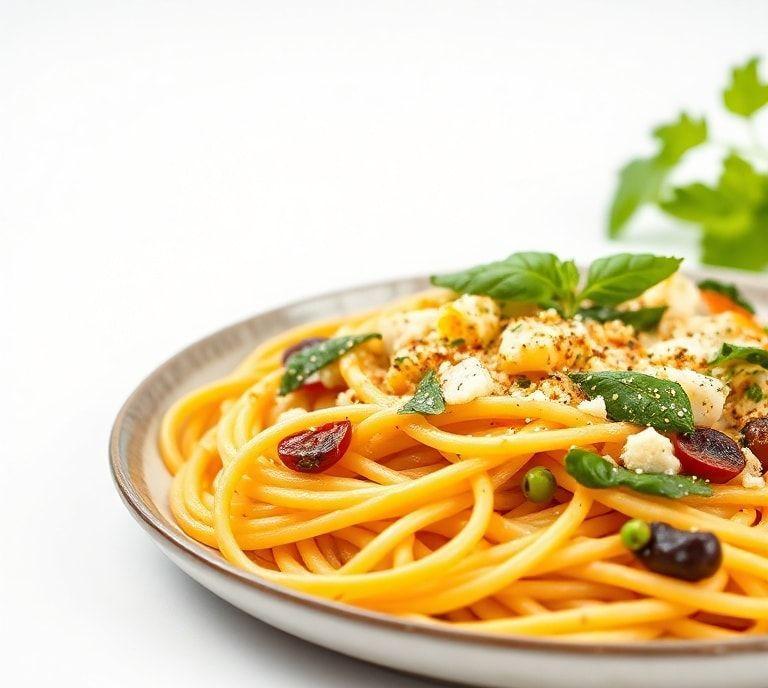
There’s an understated elegance to vegetarian tagliatelle. It’s as satisfying as it is nourishing, and I love how the vegetables bring their own character to the dish. When I make this, I don’t rush-it’s about taking my time, letting the flavors meld, and savoring the process. And the best part? You can easily tweak the ingredients based on what’s in season or what you have lying around in your fridge. This is the kind of recipe that adapts to you.
Ingredients Needed
Here’s what you’ll need for the base of this dish. I’ve always believed in keeping it simple, especially with pasta. Fresh is the key.
-
For The Pasta
- 2 cups of all-purpose flour (plus extra for dusting)
- 3 large eggs
- A pinch of salt
- A drizzle of olive oil
-
For The Sauce
- 1 cup cherry tomatoes, halved
- 1 zucchini, sliced into thin rounds
- 1 red bell pepper, chopped
- 1 cup mushrooms, sliced
- 2 cloves garlic, minced
- A handful of fresh basil leaves
- A drizzle of olive oil
- Salt and pepper to taste
- Grated Parmesan (optional, for serving)
Cooking Instructions
Making the tagliatelle from scratch is one of those moments that brings joy, even in the middle of a busy day. Trust me, you’ll appreciate the time you take to make your own dough. Here’s how to get started:
-
Making The Pasta
- On a clean countertop or large mixing bowl, pile your flour into a mound, creating a well in the center. Crack your eggs into the well, add a pinch of salt, and drizzle in a little olive oil.
- Using a fork, gently whisk the eggs, gradually incorporating the flour from the edges of the well until the dough starts coming together. Once it does, begin kneading it with your hands. You’ll need to knead for about 8-10 minutes until the dough is smooth and elastic.
- Wrap the dough in plastic wrap and let it rest for at least 30 minutes. This step is crucial-it lets the gluten relax and makes the pasta easier to roll out.
-
Rolling Out The Dough
- After the dough has rested, roll it out using a rolling pin or pasta machine. Roll it thin-ideally to about 1/8 inch thick.
- Once rolled out, fold the dough over a few times and slice into thin ribbons (about ¼ inch wide) to form your tagliatelle. You can dust the strands lightly with flour to prevent them from sticking.
-
Cooking The Pasta
- Bring a large pot of salted water to a boil. Drop in your tagliatelle and cook for about 2-3 minutes, or until al dente. Fresh pasta cooks much quicker than dried, so keep an eye on it.
- Once done, drain the pasta, reserving a bit of the cooking water to help emulsify the sauce later.
-
Making The Sauce
- In a large pan, heat a tablespoon of olive oil over medium heat. Add the garlic and sauté until fragrant, about 1 minute.
- Add the zucchini, bell pepper, and mushrooms to the pan and sauté until they’re softened and slightly caramelized. This usually takes around 5-7 minutes.
- Toss in the cherry tomatoes and cook for another 3-4 minutes until they start to break down and release their juices.
- Season with salt and pepper, and stir in fresh basil leaves.
-
Bringing It All Together
- Add your drained pasta to the veggie pan, and toss gently to combine. If the sauce feels too thick, add a splash of the reserved pasta water until you reach the desired consistency.
- Let everything cook together for 2-3 minutes, allowing the flavors to meld.
-
Serving
- Serve hot with a sprinkle of freshly grated Parmesan if desired. I also like to add a few more fresh basil leaves for garnish, just to keep that bright, fresh vibe going.
Ingredient Science Spotlight
The beauty of this dish lies in how the simple ingredients work together. Freshly made pasta, for example, is a game-changer. The dough’s texture-light and chewy with a little bite-comes from the gluten that forms when you knead the flour and eggs together. When cooked fresh, it absorbs the flavors of the sauce much more efficiently than dried pasta does.
Vegetables like zucchini and bell peppers have a natural sweetness that deepens when caramelized. The tomatoes, meanwhile, provide acidity, cutting through the richness of the olive oil and creating a balanced dish. But the real magic happens when you add a few sprigs of basil. It’s a burst of freshness that brightens the entire dish, making everything pop.
Expert Tips
- Rest Your Dough: Don’t skip the resting time for your pasta dough. It makes a world of difference in texture. I often let mine rest for 45 minutes, just to be sure it’s in the best shape for rolling out.
- Season the Water Well: When cooking your pasta, don’t be shy with the salt in the water. It’s one of the few opportunities you have to flavor the pasta itself, and it really enhances the overall taste of the dish.
- Use the Right Olive Oil: If you have a good quality extra virgin olive oil, use it generously. It’s a key part of the flavor profile here, especially in the sauce.
- Add Some Heat: If you enjoy a little spice, throw in a pinch of red pepper flakes with the garlic. It adds a subtle kick that complements the sweetness of the vegetables.
Recipe Variations
What I love about this recipe is how easy it is to change it up depending on what you have on hand.
- Add a Protein: If you’re craving more substance, toss in some grilled tofu or tempeh for added protein. Or, for something more traditional, sauté some mushrooms and serve the dish with a hearty serving of sautéed spinach.
- Go with Seasonal Veggies: The beauty of vegetarian pasta is that you can swap out the veggies depending on what’s in season. Try roasted butternut squash in the fall or fresh asparagus in spring.
- Creamy Twist: If you’re feeling indulgent, add a touch of cream or make a quick béchamel sauce to create a creamier version of this dish.
Final Words
Cooking, for me, is about connection-connecting with ingredients, with the process, and with those you’re sharing the meal with. This vegetarian tagliatelle is the perfect example of that. It’s a humble dish that’s elevated by the effort you put in and the love you give it. It’s rich in flavor but light enough to feel like a celebration of the season.
FAQs
What Vegetables Work Best In A Vegetarian Tagliatelle Recipe?
In a vegetarian tagliatelle recipe, vegetables like mushrooms, zucchini, bell peppers, spinach, and tomatoes work wonderfully. Mushrooms provide a meaty texture, while zucchini and bell peppers add color and freshness. Spinach offers a healthy, leafy green option, and tomatoes bring a rich, tangy flavor that pairs well with pasta.
Can I Make Vegetarian Tagliatelle Without Dairy?
Yes, vegetarian tagliatelle can be made without dairy by using plant-based alternatives. You can use dairy-free cream or coconut milk for creamy sauces, and vegan cheese or nutritional yeast as a substitute for Parmesan. Olive oil or vegan butter can be used for sautéing vegetables, ensuring the dish remains fully plant-based.
How Do I Cook Tagliatelle To Perfection?
To cook tagliatelle to perfection, bring a large pot of salted water to a boil. Add the tagliatelle and cook according to the package instructions, usually 8-10 minutes, or until al dente. Stir occasionally to prevent the pasta from sticking. Once cooked, drain the pasta and toss it immediately with your sauce to keep it from drying out.