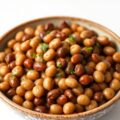
If there’s one thing that always warms me up when the weather gets cold, it’s a steaming bowl of chili. And I’ve got to admit, it’s hard to beat a good vegetarian chili, not just for its heartiness but for how nourishing it feels without weighing you down. There’s something so satisfying about digging into a bowl full of rich, spiced flavors that don’t rely on meat to deliver that depth. Plus, it’s an ideal dish for anyone trying to eat more plant-based, or simply looking to switch things up a bit.
A while back, I decided to perfect my own vegetarian chili recipe. The challenge? To create something that could stand up to the bold, flavorful chili con carne that I’d grown up eating. After a few attempts, I ended up with something that I felt really good about: a chili that’s savory, smoky, and filling – with just the right touch of spice. It’s the kind of dish that feels like a hug in a bowl, and best of all, it’s a recipe that brings people together around the table.
I’m excited to share this veggie chili with you. It’s super easy to whip up, flexible in terms of ingredients, and makes a great meal for any day of the week.
Vegetarian Chili Whole Foods Recipe

The inspiration for this vegetarian chili came from one of my favorite grocery stores-Whole Foods. It’s one of those places where you can wander down the aisles and find so many unique ingredients that spark new recipe ideas. I remember walking through their bulk section, picking up a few different beans, dried peppers, and spices, thinking: this chili could be something special.
I’ve put together a recipe that really shines when it comes to layering flavors. It’s not just about throwing a bunch of ingredients together. It’s about balancing spices, letting the beans do their thing, and simmering everything together until it melds into something cozy and satisfying.
Ingredients Needed
Here’s what you’ll need to make this hearty vegetarian chili. The beauty of this dish is that it’s pretty flexible, so you can always tweak it based on what you have in the pantry. But these are the basics that give it its foundation.
- Olive oil: A tablespoon to sauté the aromatics. You could use another oil if preferred, but olive oil adds a nice richness.
- Yellow onion: One medium, finely chopped. Onion is the base of so many dishes, and it caramelizes beautifully to give depth of flavor.
- Bell peppers: I like using red and yellow bell peppers for sweetness and color. Two, chopped.
- Carrots: About two medium carrots, chopped into bite-sized pieces. They add a bit of natural sweetness and balance out the acidity from the tomatoes.
- Garlic: Four cloves, minced. Because what is chili without garlic, right?
- Diced tomatoes: A 28-ounce can (I prefer fire-roasted for extra smokiness). This will give the chili that thick, rich tomato base.
- Tomato paste: Two tablespoons. This ingredient is key for giving the chili that deep, concentrated tomato flavor.
- Vegetable broth: About 2 cups. It gives the chili a nice base, and using vegetable broth keeps everything plant-based.
- Beans: A combo of black beans, kidney beans, and pinto beans. About 4 cups total (or two 15-ounce cans). You can mix and match or use whatever beans you prefer.
- Corn: About 1 cup of frozen corn kernels. This adds a pop of sweetness and texture.
-
Spices
- Ground cumin: 1 tablespoon, for that earthy, warm flavor.
- Chili powder: 1 tablespoon, for depth and heat.
- Smoked paprika: 1 teaspoon, to add that subtle smoky flavor.
- Ground coriander: 1 teaspoon, it’s citrusy, a bit floral, and works perfectly with the beans.
- Red pepper flakes: Just a pinch, unless you want it extra spicy.
- Fresh cilantro: A handful, chopped for garnish. You can also skip this if you’re not a fan of cilantro, or try green onions for a milder touch.
Cooking Instructions
- Sauté the aromatics: Heat olive oil over medium heat in a large pot. Add the chopped onion, bell peppers, and carrots. Cook for about 5-7 minutes, stirring occasionally, until the onions are soft and translucent.
- Add the garlic and spices: Add the minced garlic, cumin, chili powder, paprika, coriander, and red pepper flakes. Stir everything together, cooking for another minute or so until the spices become fragrant. This step really helps the spices bloom and sets the foundation for a well-seasoned chili.
- Stir in the tomato paste: Add the tomato paste to the pot and cook for another 2 minutes, stirring frequently. This deepens the flavor and gives the chili that rich, thick base.
- Add the tomatoes and broth: Pour in the diced tomatoes (with juices) and vegetable broth. Stir well, scraping up any bits stuck to the bottom of the pot. Bring everything to a simmer.
- Add the beans and corn: Once the mixture is simmering, add the beans and corn. Stir to combine. Let everything cook together for about 20-25 minutes, uncovered, stirring occasionally. You want the chili to thicken up a bit and for all the flavors to meld.
- Taste and adjust: This is your chance to play around with the seasoning. Add salt and pepper to taste. You can also throw in a bit more chili powder or cumin if you want a bolder flavor.
- Garnish and serve: Once the chili has thickened to your liking, ladle it into bowls and garnish with fresh cilantro (or green onions, if you prefer). You can also top it with a dollop of sour cream or a sprinkle of shredded cheese, though that’s optional.
Ingredient Science Spotlight
Now, let’s break down some of the ingredients and why they work so well in this dish. When I was testing this recipe, I really honed in on the way beans and spices interact to create the perfect chili.
- Beans: Not only are they the hearty backbone of a vegetarian chili, but beans are also rich in fiber and plant-based protein. Black beans, kidney beans, and pinto beans all have different textures, so together they give the chili a really satisfying bite. The starches in the beans also help thicken the broth, giving the chili a creamy texture without any cream.
- Smoked Paprika: This one’s a game-changer. It’s not just about heat; smoked paprika adds a deep, smoky flavor that gives the chili the same richness that you’d get from a long-simmered meat chili. It’s also packed with antioxidants, so there’s that health bonus too.
- Tomato Paste: Concentrated tomato paste is a secret weapon for building layers of flavor. It’s packed with umami and helps make the broth thicker and richer. It’s like the secret sauce to your tomato base, enhancing the flavors without being overly tangy.
Expert Tips
- Make it ahead: Chili often tastes better the next day when the flavors have had time to really meld. If you have the time, make it the night before and reheat it. The leftovers can be even more flavorful.
- Spice it up (or not): If you’re worried about the spice level, start with just a pinch of the red pepper flakes and adjust as you go. You can always add more later, but once it’s too hot, there’s no turning back!
- Beans and texture: If you like a smoother chili, you can mash a portion of the beans with a potato masher or use an immersion blender to give it a creamier texture. But if you prefer it chunky, just leave them as they are.
- Toppings make it: A few toppings can take your chili from great to extraordinary. Try a dollop of guacamole, some crushed tortilla chips, or a sprinkle of nutritional yeast for a cheesy, umami flavor.
Recipe Variations
This recipe is incredibly flexible. Here are some variations you can try to keep things interesting:
- Add more veggies: If you’re a fan of extra vegetables, throw in some zucchini, mushrooms, or even sweet potatoes. Just chop them small enough that they cook through in the simmering time.
- Spicy green chilies: For a different kind of heat, try adding a can of diced green chilies or some chopped fresh jalapeños.
- Quinoa or lentils: For more texture and protein, try swapping out the beans for cooked quinoa or green lentils. These both add a unique flavor and work wonderfully in chili.
Final Words
Whether you’re a seasoned cook or just someone who loves a simple, comforting meal, this vegetarian chili recipe is one to try. It’s not just about the ingredients-it’s about the process of creating something that brings joy to your table. I’ve always believed that a good recipe is more than just a list of ingredients; it’s an experience. The sounds of the vegetables sizzling, the warmth of the pot, the smells wafting through the kitchen… it all comes together to create a dish that’s more than the sum of its parts.
FAQs
What Ingredients Are Essential For A Vegetarian Chili Whole Foods Recipe?
A vegetarian chili whole foods recipe typically includes a variety of plant-based ingredients such as beans (black beans, kidney beans, pinto beans), tomatoes, onions, bell peppers, garlic, and spices like cumin, chili powder, and paprika. Whole grains like quinoa or brown rice can also be added for added texture and nutrition. It’s important to avoid processed ingredients, opting instead for fresh, whole foods like canned tomatoes without added sugar or preservatives.
Can I Make A Vegetarian Chili Whole Foods Recipe Without Using Store-bought Vegetable Broth?
Yes, you can make a vegetarian chili without store-bought vegetable broth by creating your own homemade broth. Simply simmer water with vegetables like onions, carrots, celery, and garlic, along with herbs such as thyme, rosemary, and bay leaves. This will create a flavorful base for your chili without the need for store-bought broth. Alternatively, you can use water and adjust the seasoning with additional spices.
How Can I Make Vegetarian Chili Whole Foods Recipe Spicy?
To make a vegetarian chili spicier, you can add ingredients like diced jalapeños, chipotle peppers in adobo sauce, or cayenne pepper. Adjust the level of heat based on your personal preference by adding more or less of these spicy ingredients. Additionally, hot sauce, chili flakes, or smoked paprika can be used to enhance the chili’s flavor and heat.