
I’ve always loved making a big pot of chili on a crisp evening. There’s something about the way the flavors meld together as they simmer-rich, hearty, and comforting. The aroma fills the house, and it’s like the food is giving you a warm hug. But after years of perfecting a classic chili recipe with ground beef, I wanted to experiment with something a little different. Enter: vegetarian chili with tofu.
Now, you might be wondering-does tofu really belong in chili? Let me tell you, it absolutely does. When prepared right, tofu absorbs all those deep, spicy, smoky flavors. It provides a satisfying texture and blends seamlessly into the chili. Plus, it makes the dish lighter without sacrificing the rich heartiness that chili is known for. This version is great for vegetarians, vegans, or anyone looking to cut back on meat while still getting a cozy, filling meal.
In this post, I’ll walk you through the recipe, the ingredients that work their magic, and some tips I’ve picked up along the way that take this vegetarian chili from good to great. Whether you’re a tofu skeptic or a seasoned pro, you’ll find that this chili hits all the right notes.
Vegetarian Chili With Tofu Recipe
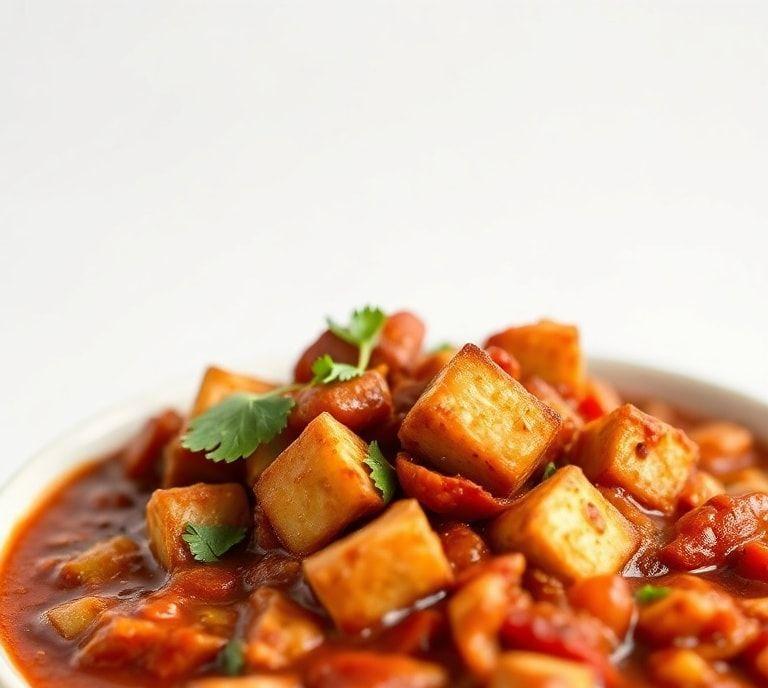
I’ve made this recipe countless times and have adjusted it to my personal taste preferences, but I promise-whether you follow it to a tee or make your own tweaks, it will be delicious. I tend to make a huge batch, as it keeps well in the fridge for days and only gets better. You can even freeze portions for later, which is always a bonus when meal prepping.
Ingredients Needed
Before you start cooking, here’s everything you’ll need to whip up this veggie-packed, tofu-filled chili:
- 1 block firm tofu (pressed to remove excess moisture)
- 1 tablespoon olive oil (for sautéing)
- 1 medium onion (diced)
- 2 cloves garlic (minced)
- 1 bell pepper (any color, diced)
- 1 zucchini (diced)
- 1 can (15 oz) kidney beans (drained and rinsed)
- 1 can (15 oz) black beans (drained and rinsed)
- 1 can (15 oz) diced tomatoes (with juices)
- 1 cup vegetable broth
- 1 tablespoon chili powder
- 1 tablespoon cumin
- 1 teaspoon smoked paprika
- 1/2 teaspoon ground coriander
- 1/4 teaspoon cayenne pepper (optional, for a little heat)
- Salt and pepper (to taste)
- Fresh cilantro (optional, for garnish)
- Lime wedges (for serving)
Cooking Instructions
- Press the tofu: Start by pressing the tofu to get rid of the moisture. I usually wrap it in a clean kitchen towel and place something heavy on top-like a skillet or a few cans of beans. Give it about 15 minutes to press down.
- Sauté the aromatics: In a large pot, heat the olive oil over medium heat. Add the diced onion and cook for 3-4 minutes until softened. Add the garlic and bell pepper and sauté for another 2-3 minutes.
- Brown the tofu: Once the tofu is pressed, cut it into cubes. Add it to the pot with the vegetables, turning the tofu occasionally to brown it on all sides. This can take around 5-7 minutes, depending on how crispy you want the tofu.
- Add the veggies and beans: Once the tofu is browned, stir in the zucchini, kidney beans, and black beans. Cook for another 5 minutes to soften the zucchini.
- Add the spices and liquids: Stir in the chili powder, cumin, smoked paprika, coriander, and cayenne (if using). Then pour in the diced tomatoes and vegetable broth. Bring everything to a simmer, then reduce the heat to low and let it cook for 20-25 minutes. This is when all the flavors really start to come together.
- Taste and adjust: Taste the chili as it simmers and adjust the seasoning with salt and pepper as needed. You might want to add a little extra chili powder or cumin depending on your preference for heat and depth of flavor.
- Serve: Ladle the chili into bowls and garnish with fresh cilantro and a squeeze of lime. Serve with some warm cornbread or over a bed of rice, if you like.
Ingredient Science Spotlight
Now, you might be wondering what makes tofu such a great addition to this chili. It’s all about its versatility. Tofu is essentially a sponge when it comes to flavors-it soaks up whatever you season it with. In this recipe, the tofu becomes a perfect match for the smoky, spicy chili flavors. It adds a chewy, meaty texture without the need for animal protein, and it’s an excellent source of plant-based protein, which is why I love using it in my chili.
The key to making tofu work in dishes like this is pressing it to remove excess water. This helps it achieve a firmer, more satisfying texture. When tofu retains moisture, it can end up soggy or watery, which no one wants in a chili.
The other ingredients, like the beans and the vegetables, work together to create a hearty base. The beans provide fiber and protein, while the zucchini adds a subtle sweetness and texture that balances the spiciness. The tomatoes and vegetable broth bring moisture, ensuring the chili doesn’t get too thick or dry.
Expert Tips
- Press your tofu! Don’t skip this step. If you want tofu with the right texture, pressing it is key. You can buy a tofu press, but I find a DIY method with a towel and a heavy object just as effective.
- Make it smoky: Smoked paprika adds depth and a bit of a smoky flavor, which is perfect for chili. You could even throw in a few drops of liquid smoke if you like your chili extra smoky.
- Spice it up: If you love heat, add more cayenne pepper or a dash of hot sauce at the end. I’ve found that a bit of chipotle in adobo sauce gives the chili a wonderful smokiness and heat.
- Double the batch: Chili always tastes better the next day, so make a big batch and store the leftovers for later. It also freezes beautifully.
Recipe Variations
While this recipe is already packed with flavor, here are a few variations to suit different preferences:
- Add grains: For a more filling dish, you can stir in some cooked quinoa or brown rice to give the chili even more substance.
- Try different vegetables: If zucchini isn’t your thing, you can swap it out for eggplant, sweet potatoes, or butternut squash. They’ll add a slight sweetness that pairs well with the spiciness.
- Go for the heat: If you want to really spice things up, throw in some diced jalapeños or serrano peppers when you sauté the vegetables.
- Cheese on top: If you’re not vegan, a handful of shredded cheese melted on top takes this dish to the next level. Go for sharp cheddar or a dairy-free alternative if you want to keep it vegan.
Final Words
This vegetarian tofu chili has become a go-to in my kitchen for when I’m craving something hearty but lighter. It’s packed with flavor, texture, and plenty of healthy ingredients, yet it still feels like a comforting, soul-satisfying meal. Whether you’re trying to cut back on meat or just looking for a new twist on a classic chili, this recipe is a winner.
I always love when a recipe like this comes together so easily-it’s one of those dishes that feels like a celebration in a bowl. The tofu adds such a wonderful, unexpected twist, and the blend of spices makes it feel like a true labor of love. And the best part? It’s even better the next day, so you can enjoy it for lunch or dinner throughout the week.
FAQs
Can I Use Firm Tofu Instead Of Extra-firm Tofu In Vegetarian Chili?
Yes, you can use firm tofu, but it may break apart more easily during cooking. To reduce crumbling, press the tofu to remove excess moisture and consider adding it later in the cooking process to maintain its shape and texture.
What Are Some Good Protein Alternatives To Tofu In This Chili Recipe?
If you prefer not to use tofu, you can substitute it with tempeh, seitan, or cooked legumes such as chickpeas or black beans. These alternatives provide a similar protein content and absorb the flavors of the chili well.
How Can I Make The Chili Spicier Without Overpowering The Tofu?
To add heat while keeping the tofu flavorful, gradually incorporate spices like chili powder, cayenne pepper, smoked paprika, or diced fresh jalapeños. Cook the chili for a short time after adding tofu to prevent it from absorbing too much heat and becoming overly spicy.