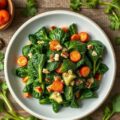
Massaman curry. Just the name alone evokes images of warm, aromatic kitchens and the comforting feeling of being wrapped in a fragrant, spice-filled embrace. This dish, with its rich blend of Thai, Indian, and Persian influences, holds a special place in my heart. The combination of tender vegetables, rich coconut milk, and the complex layers of spices makes it a deeply satisfying meal. It’s one of those dishes that feels like a hug in a bowl.
Massaman curry isn’t just food; it’s a story of culinary migration. It began as a Persian-inspired dish and made its way through India before finally finding its home in Thailand. The result is a beautifully balanced curry, where the depth of spices is softened by the creaminess of coconut milk. It’s an easy dish to fall in love with, especially when you’re in search of something warming, filling, and comforting without the need for meat.
While it’s traditionally made with chicken, beef, or lamb, this vegetarian version of Massaman curry is every bit as rich and satisfying as the original. Packed with root vegetables, tofu, and the signature blend of spices, it’s an invitation to indulge in complex flavors without the need for animal products. Let’s dive into making this incredible dish, so you can experience the joy of Massaman curry from your own kitchen.
Massaman Curry Vegetarian Recipe

Here’s a recipe that’s perfect for those evenings when you crave a warm, nourishing dish without the complexity of hours spent in the kitchen. Whether you’re a vegetarian, vegan, or just someone looking to explore new flavors, this Massaman curry recipe will definitely hit the spot.
Ingredients Needed
For this vegetarian version, we’ll rely on hearty root vegetables and protein-packed tofu to create the base of the curry. These ingredients are not only delicious but also hold up beautifully to the rich, spiced curry sauce. Here’s what you’ll need:
- 1 tbsp vegetable oil – for sautéing.
- 1 onion, chopped – this will form the base of the curry and add a sweet, aromatic depth.
- 3 cloves garlic, minced – garlic is a must, adding its signature punch.
- 1 tbsp fresh ginger, grated – adds a fresh, spicy kick to the dish.
- 2 tbsp Massaman curry paste – the star of the show, this paste is a blend of dried chili, cinnamon, cloves, and more.
- 1 can (14 oz) coconut milk – provides the creamy, luscious base for the curry.
- 1 ½ cups vegetable broth – the liquid for simmering, adding depth to the dish.
- 1 medium sweet potato, peeled and diced – its natural sweetness balances out the spiciness.
- 1 cup carrots, sliced – they absorb the curry flavor and provide a lovely bite.
- 1 cup cauliflower florets – cauliflower adds texture and is great at soaking up the curry’s spices.
- 1 cup firm tofu, cubed – a great source of protein that will soak up the sauce beautifully.
- 1 tbsp soy sauce – adds a savory umami depth to the curry.
- 1 tbsp brown sugar – to balance out the heat and acidity with a little sweetness.
- 2 tbsp roasted peanuts, crushed – for garnish, bringing in a touch of crunch.
- Fresh cilantro – chopped, for garnish.
- 1 lime, cut into wedges – a squeeze of lime brightens up the curry.
Cooking Instructions
Now, let’s get cooking! This is a relatively simple process, but the end result is anything but simple in flavor. It’s one of those meals where you throw everything in, let it simmer, and watch the magic happen.
- Prepare your ingredients: Chop the vegetables into bite-sized pieces, cube the tofu, and get the garlic, ginger, and onion ready. It’s important to have everything prepped so you can work through the recipe without interruption.
- Cook the aromatics: In a large pot, heat the vegetable oil over medium heat. Once hot, add the chopped onion and sauté for 3-4 minutes, or until translucent and softened. Add the garlic and ginger, and cook for another minute, letting the kitchen fill with their wonderful aromas.
- Add the curry paste: Stir in the Massaman curry paste, letting it fry in the oil for about 2 minutes. This is when the spices really start to come to life. Don’t rush this step-the paste needs time to develop its flavors and infuse the oil.
- Add the liquids: Pour in the coconut milk and vegetable broth, stirring to combine. Bring the mixture to a gentle simmer, and let it cook for about 5 minutes. This is when the curry will start to thicken and meld together.
- Toss in the vegetables and tofu: Add the sweet potato, carrots, cauliflower, and tofu cubes to the pot. Stir to coat everything in the curry sauce. Let it simmer for about 15-20 minutes, or until the vegetables are tender and the tofu has absorbed the flavors of the curry.
- Season the curry: Add soy sauce for saltiness and brown sugar to balance the flavors. Taste and adjust the seasoning as needed.
- Garnish and serve: Once the curry is ready, serve it hot, garnished with crushed peanuts, fresh cilantro, and a wedge of lime on the side. Squeeze the lime over the top before serving for a burst of freshness.
Ingredient Science Spotlight
Let’s take a moment to appreciate the magic of a few key ingredients in this curry.
- Coconut Milk: The creamy texture of coconut milk is what gives Massaman curry its luxurious feel. It’s not just about texture though. Coconut milk adds a subtle sweetness that balances the heat from the curry paste and the richness of the other spices.
- Massaman Curry Paste: The magic of Massaman curry lies in the paste itself. Made from ingredients like dried chilies, cumin, cinnamon, cloves, and cardamom, this paste is aromatic, earthy, and a bit sweet. The cinnamon gives the curry a comforting warmth, while the cloves add a subtle depth that’s key to its unique flavor.
- Tofu: It might seem like tofu is just a protein stand-in for meat, but it’s so much more than that. Tofu, especially when it’s firm and cubed, soaks up flavors like a sponge. When you add it to curry, it takes on the richness of the sauce, creating a satisfying bite in every spoonful.
Expert Tips
- Spice Level: If you love spice, add an extra spoonful of Massaman curry paste or throw in a chopped chili pepper when you sauté the aromatics. Alternatively, if you’re sensitive to heat, start with less paste and taste as you go.
- Vegetable Variations: Don’t feel locked into the vegetables listed. You can swap sweet potatoes for butternut squash or carrots for parsnips. The beauty of this dish is how adaptable it is to whatever vegetables you have on hand.
- Crispy Tofu: For a little extra texture, you can pan-fry the tofu cubes before adding them to the curry. This gives them a crispy outer layer that contrasts nicely with the creamy sauce.
Recipe Variations
- Vegan Version: This recipe is easily made vegan by ensuring that the curry paste and broth are plant-based. Massaman curry paste is often made with shrimp paste, so double-check the label or opt for a vegan version.
- Noodle Massaman: For a twist, serve this curry over rice noodles instead of regular rice. This gives the dish a different texture and adds to the soupiness of the curry.
- Peanut Butter Massaman: For an extra peanut flavor (since Massaman curry often includes peanuts), add a tablespoon of peanut butter into the curry sauce. It’ll bring even more depth and a nice creaminess.
Final Words
Massaman curry, when made with care and attention, becomes a dish that not only fills your belly but also nourishes your soul. It’s a dish that tells a story of cultural fusion, love for good food, and a reminder that comfort can come in the form of a hearty bowl of curry. I hope this recipe brings as much warmth to your kitchen as it has to mine.
FAQs
What Ingredients Are Used In A Vegetarian Massaman Curry?
A vegetarian Massaman curry typically includes vegetables such as potatoes, carrots, and onions, along with tofu or plant-based protein as a substitute for meat. The curry paste is made from ingredients like dried chili, garlic, lemongrass, turmeric, cumin, cinnamon, and cardamom, mixed with coconut milk for creaminess. Other ingredients include peanuts, soy sauce, tamarind paste, and sugar, to balance the flavor.
Can I Make Massaman Curry Without Coconut Milk?
Yes, you can make Massaman curry without coconut milk, though it may alter the traditional flavor and texture. For a dairy-free or lighter version, you can substitute coconut milk with vegetable broth and a bit of almond milk or oat milk. However, this will affect the richness and creaminess that coconut milk provides, so you might need to adjust the seasoning to maintain balance in the flavor.
How Do I Make Massaman Curry Spicy Enough For My Taste?
To adjust the spiciness of your Massaman curry, you can control the heat level by adding more or fewer chilies to the curry paste. If you prefer a milder version, use fewer dried chilies or omit them entirely. Alternatively, for a spicier curry, you can add fresh chili or chili flakes when cooking, or increase the amount of chili paste in the curry. Adjusting the heat level allows for a customizable experience, ensuring the curry suits your spice preference.