I’ve always had a soft spot for casseroles. There’s something about the warmth, comfort, and ease of throwing everything into one dish and letting it all come together. It’s the kind of meal that you can prep ahead, toss in the oven, and have ready to serve by dinnertime. Plus, for a vegetarian, casseroles are a godsend. They can be packed with veggies, legumes, and grains, turning them into a filling and nourishing meal. Over the years, I’ve perfected a few favorites, but there’s one recipe that I always come back to when I need something both comforting and wholesome-a healthy vegetarian casserole that never disappoints. It’s perfect for family dinners, meal prep, or just a cozy night in. So, let me take you through this one!
Healthy Vegetarian Casseroles Recipe
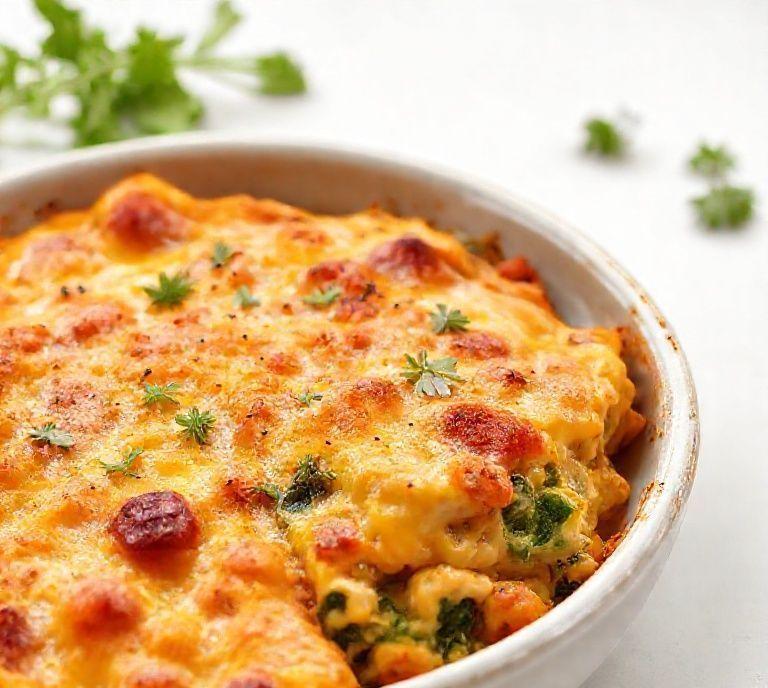
This casserole is a blend of vibrant veggies, whole grains, and creamy goodness, making it the ultimate balance of flavors and textures. It’s easy to make, customizable, and gives you the satisfaction of a homemade, wholesome meal. The key to making it healthy without sacrificing flavor is focusing on nutrient-dense ingredients that bring out the best in each other. Whether you’re new to vegetarian cooking or you’re just looking for a healthy twist on comfort food, this casserole is guaranteed to satisfy.
Ingredients Needed
Here’s a list of everything you’ll need to get started. Don’t be intimidated-these are ingredients you probably already have in your kitchen. You can even swap some out based on your preferences.
- Whole wheat pasta – It adds a hearty texture and whole grains for a more nutritious base. You could also use quinoa or brown rice for an even denser meal.
- Chopped broccoli – You can’t go wrong with broccoli. It’s packed with fiber, vitamins, and antioxidants.
- Carrots – They add a nice sweetness and color to the dish, while also boosting its beta-carotene content.
- Spinach – This leafy green gives a burst of iron and vitamins, but you can swap it for kale or another leafy green if you prefer.
- Canned chickpeas – For protein, chickpeas are a great choice. They provide a creamy texture and a mild flavor, and they’re loaded with fiber.
- Cheese – I recommend a combination of mozzarella and cheddar, but you can also use a vegan cheese alternative if you prefer. It’s about getting that creamy texture while still keeping things healthy.
- Greek yogurt – This is a game-changer. Instead of heavy cream, Greek yogurt adds creaminess and protein, and it’s lower in fat.
- Olive oil – A bit of olive oil to sauté your vegetables for an added layer of richness.
- Garlic and onion – These two aromatics are a must for any savory dish. They create the flavor base and give that satisfying aroma as they cook.
- Herbs and spices – A combination of oregano, thyme, salt, pepper, and a pinch of red pepper flakes for some heat.
Cooking Instructions
- Preheat the Oven: Start by preheating your oven to 375°F (190°C). Get that oven nice and warm so your casserole can bake evenly.
- Cook the Pasta: In a large pot, bring salted water to a boil and cook the whole wheat pasta according to the package instructions. Drain and set it aside.
- Sauté the Veggies: In a large skillet, heat a tablespoon of olive oil over medium heat. Add the chopped garlic and onion and sauté until soft and fragrant-about 2-3 minutes. Then, toss in the carrots and broccoli, cooking for another 5 minutes until they start to soften but still have a bit of crunch. You want the veggies to maintain their integrity in the casserole.
- Combine the Ingredients: In a large mixing bowl, combine the cooked pasta, sautéed veggies, spinach, and chickpeas. Add in the Greek yogurt, cheese, herbs, salt, and pepper. Stir everything together until evenly mixed. If it feels a little too thick, add a splash of water or vegetable broth to loosen things up.
- Bake: Transfer everything into a greased baking dish. Sprinkle a little extra cheese on top for that perfect golden crust. Bake in the preheated oven for 20-25 minutes, or until the top is golden and bubbly.
- Serve and Enjoy: Let it sit for a few minutes to set before serving. Garnish with fresh herbs or a sprinkle of parmesan if you’d like.
Ingredient Science Spotlight
Let’s talk about some of the key ingredients and why they shine in this casserole.
- Chickpeas: These tiny legumes are powerhouses of protein and fiber. Not only do they make this casserole filling, but they also help regulate blood sugar levels and provide a steady source of energy. Plus, chickpeas are an excellent source of folate and manganese.
- Spinach: This leafy green is packed with iron, which is crucial for oxygen transport in the body. If you’ve ever heard of “eating your spinach for strong muscles”, there’s truth behind that! Spinach also offers a hefty dose of vitamins A, C, and K, which contribute to bone health, immunity, and skin vitality.
- Greek Yogurt: Swapping out sour cream or cream for Greek yogurt is an easy win for health-conscious cooks. Not only is it lower in fat, but it’s also a great source of protein and probiotics, which are good for your gut health. It adds creaminess without the extra calories and fat.
- Whole Wheat Pasta: By choosing whole wheat pasta over refined pasta, you’re adding fiber, which promotes digestive health and keeps you fuller longer. Whole grains also help regulate blood sugar and contribute to heart health.
Expert Tips
- Make It Ahead: Casseroles are perfect for meal prep! You can assemble this dish a day or two ahead of time and refrigerate it. Then just pop it in the oven when you’re ready to bake. It’ll taste even better the next day as the flavors meld together.
- Add More Protein: If you want to ramp up the protein even more, you can add tofu, tempeh, or even some diced seitan to the mix. These plant-based options are rich in protein and can easily blend into the casserole without overpowering the flavor.
- Make It Gluten-Free: To make this dish gluten-free, simply swap the whole wheat pasta for a gluten-free pasta or quinoa. Just check your label for any hidden gluten in things like the cheese or yogurt.
- Go Heavy on the Veggies: Feel free to get creative with the vegetables! You could add mushrooms, zucchini, bell peppers, or even sweet potatoes. The beauty of casseroles is their versatility, so mix and match based on what’s in season or what you have on hand.
- Layer Flavors: Before serving, sprinkle some nutritional yeast over the top for a cheesy, umami flavor without adding dairy. You could also add a dash of hot sauce or a squeeze of lemon juice to elevate the dish with a little tang.
Recipe Variations
- Mexican-Inspired Casserole: Add black beans, corn, diced tomatoes, and a blend of Mexican spices like cumin and chili powder. Top with a sprinkle of cheddar and a handful of fresh cilantro.
- Mushroom and Lentil Casserole: Replace the chickpeas with cooked lentils and load up on sautéed mushrooms. The earthy flavors from the mushrooms give this casserole a more savory, meaty feel.
- Pesto Casserole: Stir in a couple of tablespoons of pesto for a fresh, herby twist. This variation pairs beautifully with sun-dried tomatoes and artichoke hearts.
- Buffalo Cauliflower Casserole: Toss roasted cauliflower in buffalo sauce before mixing it into the casserole for a spicy, tangy kick.
Final Words
This casserole has become a go-to in my kitchen because it’s adaptable, wholesome, and filled with ingredients that not only taste great but support a balanced lifestyle. Whether you’re cooking for a crowd, meal prepping for the week, or craving a comforting dish, this healthy vegetarian casserole is sure to hit the spot. Plus, it’s the kind of recipe you can play around with to suit your preferences, dietary needs, and whatever’s in your fridge.
FAQs
What Are Some Key Ingredients For A Healthy Vegetarian Casserole?
A healthy vegetarian casserole typically includes a variety of vegetables such as broccoli, spinach, bell peppers, and carrots, combined with whole grains like quinoa, brown rice, or whole wheat pasta. Legumes such as lentils, chickpeas, or beans can add protein, while low-fat cheese or plant-based alternatives provide flavor. Herbs, spices, and healthy oils such as olive oil can enhance taste without adding excessive calories.
How Can I Make A Vegetarian Casserole More Nutritious?
To increase the nutritional value of a vegetarian casserole, incorporate high-fiber ingredients like whole grains and legumes, and include a variety of colorful vegetables to provide a wide range of vitamins and minerals. Using low-sodium broths or sauces reduces sodium content, while adding nuts or seeds can provide healthy fats. Additionally, choosing low-fat or plant-based dairy alternatives helps reduce saturated fat intake.
Can I Prepare A Healthy Vegetarian Casserole In Advance And Freeze It?
Yes, most healthy vegetarian casseroles can be prepared in advance and frozen. To do this, assemble the casserole without baking it, then cover it tightly with plastic wrap and aluminum foil before freezing. When ready to eat, thaw it in the refrigerator overnight and bake as directed. This method preserves both the flavor and nutritional quality, making it a convenient option for meal planning.