If you’re like me, there’s something irresistible about a warm, freshly-baked cupcake. The sight of those little beauties, all perfectly frosted and nestled together on a plate, can make any day feel special. But let’s talk about a particular flavor: red velvet. It’s this magical blend of rich cocoa and a beautiful, vibrant color that makes it a showstopper at any gathering. However, traditional red velvet cupcakes can be a bit daunting for vegetarians, as they usually contain dairy and eggs. So, I decided to recreate this delicious treat in a vegetarian-friendly version that’s every bit as indulgent, rich, and moist as the classic. It’s easy, it’s satisfying, and it might just become your new favorite baking project. Let’s dive into making these dreamy, vegetarian red velvet cupcakes!
Vegetarian Red Velvet Cupcake Recipe
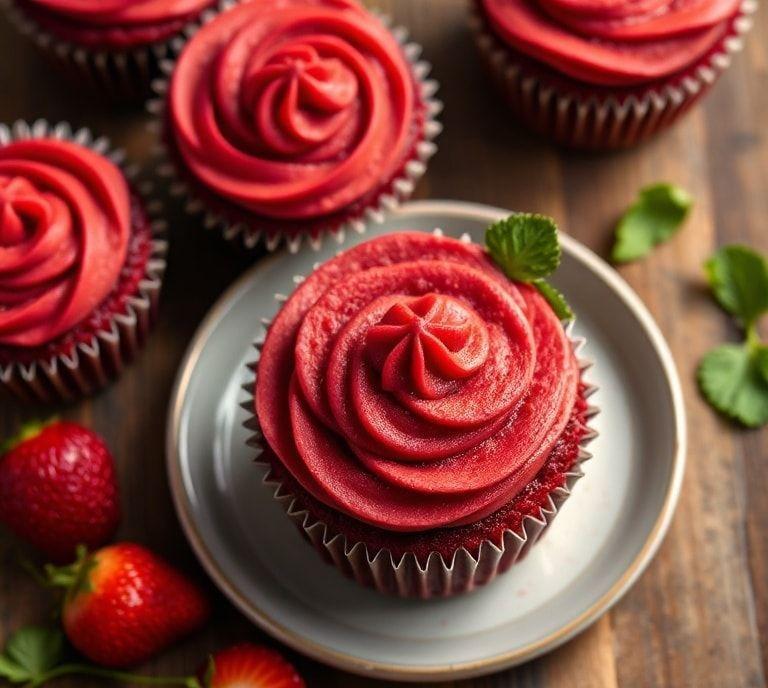
So, what makes red velvet so iconic? It’s that deep, gorgeous red hue paired with the subtle tang from buttermilk, a slight cocoa flavor, and the creamy, smooth frosting that ties it all together. In this vegetarian version, I’ve swapped out the eggs and dairy with plant-based alternatives, but don’t worry-the texture and flavor are just as decadent.
Here’s how you can make these cupcakes at home. Grab your apron, because we’re about to get baking!
Ingredients Needed
Before you begin, check that you have everything on hand. This recipe uses some basic pantry items, but a couple of small swaps to make it vegetarian-friendly:
- 1 ½ cups all-purpose flour
- 1 cup granulated sugar
- 1 tablespoon cocoa powder (unsweetened)
- 1 teaspoon baking powder
- ½ teaspoon baking soda
- ¼ teaspoon salt
- 1 cup non-dairy milk (like almond, oat, or soy)
- ½ cup vegetable oil (or another neutral oil)
- 1 tablespoon white vinegar
- 1 teaspoon vanilla extract
- 1 tablespoon red food coloring (look for natural options if you prefer)
- ½ teaspoon lemon juice (optional, for a slight tang)
For the frosting:
- 1 ½ cups powdered sugar
- ½ cup dairy-free cream cheese
- ¼ cup dairy-free butter
- 1 teaspoon vanilla extract
Cooking Instructions
- Preheat your oven to 350°F (175°C). Line a 12-cup muffin pan with paper liners.
- Mix dry ingredients: In a medium bowl, whisk together the flour, sugar, cocoa powder, baking powder, baking soda, and salt.
- Combine wet ingredients: In a separate bowl, combine your non-dairy milk, vegetable oil, vinegar, vanilla extract, and lemon juice (if using). Add the red food coloring to the wet mixture, stirring until the color is evenly distributed.
- Combine the wet and dry: Gradually add the wet ingredients to the dry ingredients, mixing gently until smooth. The batter will be somewhat liquid, which is normal. Don’t overmix-just ensure everything is incorporated.
- Scoop into muffin pan: Use a spoon or ice cream scoop to evenly divide the batter into the cupcake liners, filling each about 2/3 full.
- Bake for 18-22 minutes, or until a toothpick inserted into the center of a cupcake comes out clean.
- Cool down: Let the cupcakes cool in the pan for 5 minutes, then transfer them to a wire rack to cool completely before frosting.
- Frosting time: To make the frosting, beat together the dairy-free cream cheese and butter until smooth and creamy. Gradually add powdered sugar and vanilla extract. Frost the cupcakes once they’re cool. You can spread it on thick or swirl it for a more decorative look.
Ingredient Science Spotlight
Let’s talk about the science behind some of the ingredients that make these cupcakes so magical, starting with the food coloring. The bold red color is key to red velvet’s appeal, and although traditional recipes sometimes used beet juice for color (I’ll admit, I’m not opposed to this method), most modern red velvet cakes rely on artificial food coloring. That said, it’s definitely possible to use natural alternatives if you’re concerned about the artificial dyes, so I recommend looking into beetroot powder, which will give a rich red hue.
The vinegar and baking soda in the recipe work together to help create that signature, slightly tangy flavor in red velvet cupcakes. Vinegar, an acid, reacts with the baking soda, a base, to produce carbon dioxide gas, which helps the cupcakes rise and become light and fluffy.
Using non-dairy milk as a replacement for dairy keeps the cupcakes vegetarian, and a neutral oil like vegetable or canola oil adds moisture without altering the flavor too much. And let’s not forget the cocoa powder, which provides a subtle but key depth of flavor. It’s not a chocolate cupcake, but that touch of cocoa brings the whole thing together.
Expert Tips
- Don’t overmix the batter: This is a rookie mistake many make, but it’s easy to fix. Overmixing leads to dense cupcakes. Mix just enough to combine everything.
- Room temperature ingredients: For the best frosting texture, make sure your cream cheese and butter are softened before mixing. Cold cream cheese can be tricky to work with.
- Frost when cool: Don’t try to frost hot cupcakes! The frosting will melt and slide right off. Make sure your cupcakes are completely cool before you start decorating.
- Natural food coloring: If you’re trying to avoid artificial colors, you can always swap out the red food coloring for beetroot powder, pomegranate juice, or even hibiscus tea. They can give you a more natural, though sometimes less intense, red hue.
- Storage: These cupcakes can be stored in an airtight container at room temperature for up to three days. If you want to keep them longer, refrigerate them and take them out to come to room temperature before serving.
Recipe Variations
There are so many ways to make this red velvet recipe your own. Here are a few fun ideas to try:
- Add chocolate chips: If you’re a fan of extra sweetness and texture, try adding a handful of dairy-free chocolate chips to the batter. They’ll melt slightly during baking and add another layer of richness.
- Swap the frosting: While cream cheese frosting is a classic, try using a simple buttercream frosting if you’re not a fan of the tang. You could even go for a coconut whipped cream topping for a lighter, fresher feel.
- Red velvet cake: If you’re more of a cake person than a cupcake person, double this recipe and bake it in a round cake pan. You’ll get a beautiful, layered red velvet cake instead!
- Spices and nuts: Add cinnamon, nutmeg, or even finely chopped walnuts to the batter for a more complex flavor profile. You could make it your signature version of red velvet!
Final Words
Red velvet is such an iconic flavor that’s beloved by so many. It’s the perfect combination of color, flavor, and texture, and when made with vegetarian-friendly ingredients, it’s just as decadent as the original. What I love about this recipe is how approachable it is-whether you’re a baking novice or a seasoned pro, you can create a batch of these stunning cupcakes with minimal fuss.
It’s also one of those recipes that’s great for sharing. Bring them to a party, serve them at a family gathering, or just treat yourself (because you totally deserve it). The rich red hue and the velvety texture of the cupcakes, paired with the smooth cream cheese frosting, create a dessert that’s as much about indulgence as it is about aesthetic appeal.
FAQs
Can I Make Red Velvet Cupcakes Without Eggs In A Vegetarian Recipe?
Yes, you can make red velvet cupcakes without eggs in a vegetarian recipe. Common egg substitutes include unsweetened applesauce, mashed bananas, or a flaxseed mixture (1 tablespoon of flaxseed meal mixed with 3 tablespoons of water). These alternatives help maintain the texture and moisture of the cupcakes.
What Are The Key Ingredients For A Vegetarian Red Velvet Cupcake?
The key ingredients for a vegetarian red velvet cupcake include all-purpose flour, sugar, vegetable oil, cocoa powder, baking soda, salt, white vinegar, vanilla extract, and red food coloring. The recipe also requires a plant-based milk (such as almond milk or soy milk) to keep it vegetarian, as well as a substitute for eggs, like applesauce or flaxseed meal.
Can I Use A Natural Substitute For Food Coloring In Red Velvet Cupcakes?
Yes, you can use natural substitutes for red food coloring. Beetroot powder or beet juice are popular, plant-based alternatives. These options give the cupcakes a similar red hue while keeping them completely natural. However, the exact shade may vary slightly from the bright red typically achieved with synthetic food coloring.