Have you ever thought about a sushi dinner where the star isn’t fish, but fresh vegetables and fruits, showcasing the delicate artistry of plant-based ingredients? That’s exactly what vegetarian sashimi offers-a refreshing, vibrant twist on a traditional favorite. You don’t need raw fish to enjoy the delicate textures and satisfying experience of sashimi; instead, you can turn to the abundant world of vegetables, fruits, and other plant-based ingredients to create something equally beautiful and delicious.
Sashimi, at its heart, is about simplicity: thinly slicing fresh ingredients to showcase their natural beauty and flavors. When I first encountered vegetarian sashimi, I was skeptical. Could vegetables really offer that same balance of texture and flavor? But once I tried it, I was hooked. The crispness of the vegetables, the subtle sweetness of fruits like mango, and the way the flavors meld with soy sauce and wasabi-it all clicked. If you’re looking to impress someone with a culinary creation that’s both elegant and plant-based, this dish is a fantastic choice.
Vegetarian Sashimi Recipe
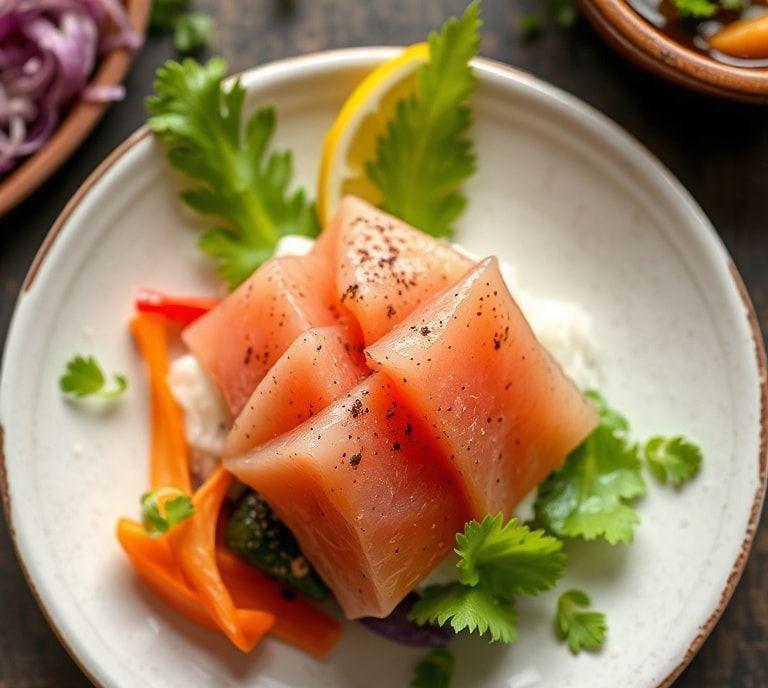
Creating vegetarian sashimi is less about following a strict recipe and more about letting your ingredients shine. The key is to find vegetables and fruits with interesting textures and flavors that can be sliced into thin, delicate pieces. Here’s a simple recipe that highlights the versatility of vegetarian sashimi.
Ingredients Needed
To make a basic vegetarian sashimi, you’ll need:
- Cucumber – A great base for vegetarian sashimi. Its mild flavor and crispy texture create a refreshing contrast.
- Carrot – Thinly sliced or julienned carrots add color and a subtle sweetness.
- Avocado – Adds creaminess and a smooth texture.
- Radish – Thinly sliced, it provides a crunchy, peppery bite that pairs well with other ingredients.
- Mango – For a touch of natural sweetness and an unexpected tropical twist.
- Seaweed (nori or wakame) – To add depth of flavor and a nod to traditional sushi elements.
- Fresh herbs (optional) – Cilantro or shiso leaves bring freshness and complexity.
- Soy sauce – For dipping.
- Wasabi or spicy mayo – If you like a bit of heat.
- Sesame seeds – Toasted sesame seeds add a nutty crunch and look beautiful on top.
This list isn’t set in stone. You can adjust the ingredients based on what’s available in your local market, or what flavors you’re drawn to. The goal is to work with what you have to create an experience that feels light, fresh, and satisfying.
Cooking Instructions
- Prepare the vegetables and fruit: Start by washing and peeling the cucumber, carrots, and radish. Slice the cucumber into long, thin ribbons or rounds. For the carrots, you can use a julienne slicer or a sharp knife to create thin strips. The avocado should be sliced into long, thin pieces, with the pit carefully removed first. Slice the mango into thin, delicate pieces-be mindful to avoid the large pit in the center.
- Assemble the sashimi: Now for the fun part. Arrange your sliced vegetables and fruit on a platter in a visually pleasing manner. You want each element to shine, so don’t overcrowd the plate. Think of this as a work of art, each slice contributing its own unique texture and flavor.
- Add the seaweed: For an extra layer of flavor, sprinkle some dried nori flakes on top or serve the wakame on the side.
- Garnish: Sprinkle sesame seeds over the top, add a few fresh herb leaves for color, and perhaps a few drops of soy sauce around the edges for dipping.
- Serve: When ready to serve, bring out small dipping bowls with soy sauce and a dab of wasabi or spicy mayo for extra zest.
Ingredient Science Spotlight
What makes vegetarian sashimi such an exciting dish isn’t just its visual appeal-it’s the way the ingredients interact on a sensory level. Let’s take a moment to explore the science behind a few key ingredients:
- Cucumber: This is an ingredient that you might think is just water, and in a way, it is. Cucumbers are composed of about 95% water, making them hydrating and refreshing. Their crisp texture comes from the cell structure of the cucumber, which holds onto that moisture. When thinly sliced, they retain a slight crunch that adds a delightful contrast to the softer elements in the dish, like avocado.
- Avocado: Avocados are rich in healthy fats, particularly monounsaturated fats, which give them their smooth, creamy texture. This fat content helps balance out the other more acidic or crisp ingredients in the dish, making them feel luxurious and satisfying. Their flavor is mild but carries a richness that works well with the simplicity of the other vegetables.
- Mango: Mangoes are packed with natural sugars, vitamins, and antioxidants. The natural sweetness of mango offers a surprising contrast to the more neutral or savory flavors of the other ingredients. This interplay between sweet and savory elevates the experience of vegetarian sashimi, offering a fresh new take on a traditional dish.
- Radish: Radishes are more than just a crunchy garnish. They’re rich in antioxidants and vitamin C, and their peppery flavor is the perfect contrast to the sweetness of mango or the smoothness of avocado. The unique texture and bite they provide give the dish a multi-dimensional flavor profile that keeps things interesting.
Expert Tips
- Keep the slices thin: The key to good sashimi, vegetarian or not, is thin slices. When slicing your ingredients, try to make them as thin as possible. This maximizes the surface area, giving each slice more flavor and allowing the textures to stand out.
- Use a sharp knife: A sharp knife is essential for slicing vegetables and fruits cleanly without smashing them. A dull knife can result in uneven cuts and bruised ingredients, which affects the final dish.
- Layering textures: Try to balance the textures in your vegetarian sashimi. For example, pair the crunchy cucumber with the creamy avocado, or the spicy radish with the sweet mango. Creating a contrast in textures makes the dish more interesting to eat.
- Temperature matters: Sashimi is best served at room temperature, so take your vegetables out of the fridge about 15 minutes before serving to allow their flavors to come alive.
- Presentation is key: Like any sashimi, the beauty of this dish lies in its presentation. Arrange the ingredients thoughtfully, and don’t be afraid to play around with different shapes and colors. This is a dish where artistry matters just as much as taste.
Recipe Variations
- Seasonal Ingredients: Try experimenting with what’s in season. In the fall, you could add roasted sweet potato or thinly sliced beets. In the summer, tomatoes and zucchini could make a delicious addition. Let the seasons guide your creativity.
- Different Sauces: While soy sauce is the traditional pairing, you can mix it up. A citrus-based dressing with lime or yuzu could bring out the brightness of the ingredients. You could also make a creamy avocado or tahini dressing to drizzle over the top.
- Adding Tofu: If you want a bit more substance, adding thinly sliced, lightly grilled tofu can offer a protein boost. It has a neutral flavor that complements the vegetables without overpowering them.
- Add Pickled Elements: For a twist, incorporate some pickled vegetables, like pickled ginger or pickled radish. The acidity of the pickles can cut through the richness of the avocado and add a tangy contrast.
Final Words
Vegetarian sashimi isn’t just a substitution; it’s a reimagining of the concept of sashimi itself. When you strip away the fish and focus on the vegetables and fruits, you’re left with something that celebrates fresh, high-quality produce in the same way sushi celebrates the freshest fish. It’s a dish that relies on balance, simplicity, and the natural flavors of the ingredients. Plus, it’s a fantastic way to explore the world of plant-based eating without feeling like you’re missing out on anything.
FAQs
What Are The Key Ingredients Needed For A Vegetarian Sashimi Recipe?
A vegetarian sashimi recipe typically includes a variety of fresh, plant-based ingredients that mimic the texture and appearance of traditional sashimi. Common ingredients include thinly sliced vegetables such as cucumber, radish, and carrots, along with fruits like avocado and mango. Additionally, you might use plant-based alternatives like marinated tofu or tempeh. Seasonings such as soy sauce, wasabi, and pickled ginger are essential for authentic flavor.
How Do You Prepare The Vegetables For A Vegetarian Sashimi Dish?
To prepare vegetables for vegetarian sashimi, it’s important to slice them thinly to achieve a delicate, sashimi-like texture. A mandoline slicer can be helpful to achieve uniform slices. Vegetables such as cucumber and radish should be peeled, and the flesh of avocado and mango should be cut into thin, even strips. It’s essential to remove any seeds or pits, ensuring that the slices are clean and aesthetically pleasing. For added flavor, marinate ingredients like tofu or tempeh in a mixture of soy sauce and rice vinegar before serving.
Can You Make Vegetarian Sashimi In Advance, And How Should It Be Stored?
Vegetarian sashimi can be prepared in advance, but it is best served fresh to maintain the quality of the ingredients. If you need to prepare it ahead of time, slice the vegetables and fruits, then store them in an airtight container in the refrigerator to prevent them from browning or losing their texture. If you’re using tofu or tempeh, marinate them ahead of time, and keep them separate until you are ready to assemble the sashimi. Once everything is ready, serve the sashimi with a drizzle of soy sauce and a garnish of wasabi and pickled ginger.