Let me take you on a little culinary journey. I don’t know about you, but there’s something about curry that just hits the spot-whether it’s on a chilly evening when you want something warming, or during a busy week when you crave comfort food that’s also nourishing. As much as I love a classic meat-based curry, I’ve been experimenting with vegetarian versions that are just as hearty, flavorful, and satisfying. And let me tell you, when I stumbled upon this healthy vegetarian curry recipe, I knew it had to be shared. It’s not only packed with goodness, but it also has a depth of flavor that’s so comforting, you’ll forget there’s no meat in it at all.
This isn’t just any vegetable curry. It’s bright, vibrant, and full of layers of spices that linger long after your last bite. Whether you’re a vegetarian, vegan, or just trying to incorporate more plant-based meals into your routine, this recipe offers everything: color, flavor, and that signature curry warmth that wraps around you like a cozy blanket.
Healthy Curry Vegetarian Recipe
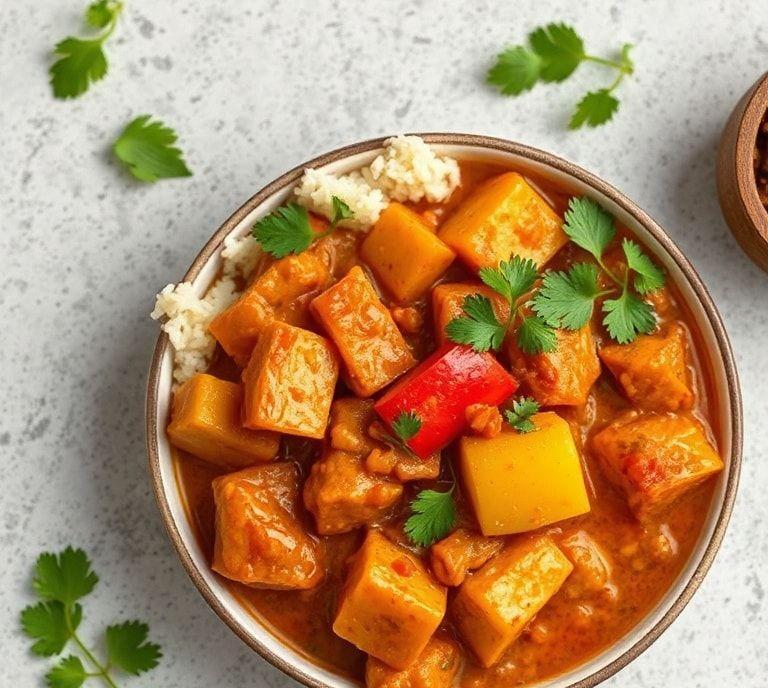
Now, let’s dive into the actual recipe. This healthy vegetarian curry has become my go-to when I’m looking for something satisfying yet light. It’s also one of those dishes that can easily feed a crowd, or if you’re cooking solo, it keeps well in the fridge for leftovers that taste even better the next day.
The base of the curry is made from a rich blend of coconut milk and tomatoes, spiced to perfection with turmeric, cumin, coriander, and just a hint of garam masala. The vegetables are soft but still have a little bite, and the chickpeas add that hearty, satisfying texture. And the best part? It’s all cooked in one pot, making cleanup a breeze.
Ingredients Needed
Before we get into the nitty-gritty of the cooking process, let’s talk about what you’ll need. The ingredients are simple, but together they create something really magical. Here’s what you’re going to need:
-
Vegetables
- 2 cups of cauliflower florets
- 1 large sweet potato, peeled and diced
- 1 red bell pepper, chopped
- 1 zucchini, sliced
- 1 cup of spinach or kale (you can also swap for frozen peas or green beans if that’s what you have)
-
Canned Goods
- 1 can of chickpeas (rinsed and drained)
- 1 can of coconut milk (full-fat for a richer flavor, but you can use light coconut milk for a lighter version)
- 1 can of diced tomatoes
-
Spices
- 2 teaspoons of ground turmeric
- 2 teaspoons of ground cumin
- 1 teaspoon of ground coriander
- 1 teaspoon of garam masala
- 1/2 teaspoon of ground ginger (optional but highly recommended)
- Salt and pepper to taste
-
Aromatics & Fresh Ingredients
- 1 medium onion, chopped
- 3 cloves of garlic, minced
- 1-inch piece of fresh ginger, grated (if using fresh ginger instead of ground)
- 1 tablespoon of olive oil (or any other neutral oil)
- Fresh Lime (for serving)
- Cilantro (optional for garnish)
Cooking Instructions
I’m always looking for recipes that give me flexibility while still delivering bold flavors, and this curry fits that bill perfectly. Here’s how you bring all these simple ingredients together:
- Prep Your Ingredients: Start by prepping all your vegetables. Chop the cauliflower, sweet potato, and bell pepper. Slice the zucchini, rinse the chickpeas, and grate your ginger. It’s easier to have everything ready to go before you start cooking. Trust me on this.
- Cook the Aromatics: Heat the olive oil in a large pot or Dutch oven over medium heat. Once the oil is hot, add the chopped onion and sauté for about 5 minutes, until soft and translucent. Add the garlic and grated ginger (if you’re using fresh ginger), and cook for another 1-2 minutes until fragrant. You should be able to smell that delicious aromatic foundation filling your kitchen already.
- Add the Spices: Now, this is where things get exciting. Add your turmeric, cumin, coriander, and garam masala. Stir them into the onions, garlic, and ginger mixture, letting the spices bloom for about 1 minute. If you’ve never had this moment before-where the spices get released into the hot oil and your kitchen smells like heaven-trust me, it’s one of the best parts of cooking.
- Toss in the Vegetables: Next, add your cauliflower, sweet potato, bell pepper, and zucchini. Stir everything together to coat the veggies with the spices. Let this cook for about 5 minutes, stirring occasionally. The vegetables will start to soften, and the whole dish will become a riot of color.
- Add the Coconut Milk & Tomatoes: Pour in the coconut milk and the canned diced tomatoes, then add a pinch of salt and pepper. Bring the mixture to a simmer. Let it cook uncovered for about 20-25 minutes, until the vegetables are tender but not mushy.
- Add the Chickpeas and Greens: Once the vegetables are cooked, stir in the chickpeas and spinach (or whatever green you’re using). Let everything cook for another 5 minutes, allowing the greens to wilt and the chickpeas to warm up. You can add a little water or vegetable broth if the curry looks too thick.
- Finish It Off: Taste for seasoning, and if needed, add more salt, pepper, or spices. Squeeze a little lime juice into the curry to brighten it up. Serve the curry hot, garnished with fresh cilantro, if desired. I like to serve mine with a side of brown rice or naan to soak up all that goodness.
Ingredient Science Spotlight
Every ingredient in this curry has its own health benefits, and when combined, they form a powerhouse of nutrients. Let’s dive into a few key ingredients:
- Coconut Milk: Rich in healthy fats, especially medium-chain triglycerides (MCTs), coconut milk provides a creamy texture while offering a quick energy source. It’s also great for your skin and has anti-inflammatory properties.
- Chickpeas: These little legumes are a great source of plant-based protein, fiber, and folate. They help regulate blood sugar levels and keep you feeling full for longer, making them an excellent addition to any vegetarian meal.
- Sweet Potatoes: Packed with beta-carotene (which the body converts to vitamin A), sweet potatoes support eye health and immune function. They also provide fiber, which aids in digestion and helps keep you feeling satisfied.
- Turmeric: Known for its active compound curcumin, turmeric is famous for its anti-inflammatory and antioxidant properties. It’s one of those spices that’s not only great for flavor but also offers serious health benefits.
Expert Tips
- Balance the Spices: When it comes to curry, don’t be afraid to adjust the spices to your liking. If you love it spicier, feel free to add a pinch of cayenne pepper or some chopped fresh chili. For a milder flavor, you can reduce the cumin or coriander slightly.
- Use Fresh Ginger: Fresh ginger adds a zesty, warming flavor that ground ginger can’t replicate. If you can, opt for the fresh root. It’s worth the extra effort!
- Experiment with Protein: If you’re looking to amp up the protein content, consider adding tofu or tempeh. Both soak up the flavors beautifully and add a chewy texture that complements the soft veggies and chickpeas.
- Make It a One-Pot Meal: One of the best parts about this recipe is its simplicity. You can easily turn it into a one-pot meal by serving it with some cooked quinoa or rice, and it’s filling enough to eat on its own.
- Don’t Overcook the Vegetables: You want your vegetables tender but not mushy. Keep an eye on them as they cook, and taste-test as you go to make sure they reach that perfect point.
Recipe Variations
One of the things I love most about curry is its versatility. You can swap in different veggies based on what’s in season or what you have on hand:
- Swap the Veggies: Instead of zucchini, you could use eggplant, or swap the sweet potato for butternut squash. Even peas, carrots, or mushrooms work well in this dish.
- Make It Spicy: If you’re craving a kick, add some chopped green chilies or a splash of hot sauce toward the end of cooking. You can also add a tablespoon of red curry paste for extra depth.
- Add More Protein: Tempeh, tofu, or even lentils can be added in place of or alongside chickpeas. All of these additions absorb the curry’s flavors and contribute their own unique textures.
Final Words
This curry is one of those dishes that I make over and over because it’s just that good. It’s hearty, it’s healthy, and it’s easy to customize based on your cravings or dietary preferences. Whether you’re serving it on a busy weekday or as a casual weekend dinner, it’s sure to become a new staple in your recipe collection.
FAQs
What Are The Key Ingredients In A Healthy Vegetarian Curry?
A healthy vegetarian curry typically includes a variety of vegetables, such as carrots, potatoes, bell peppers, and spinach, along with legumes like chickpeas or lentils for protein. The dish often features a base of onions, garlic, and ginger, spiced with turmeric, cumin, coriander, and garam masala. Coconut milk or vegetable broth is commonly used for a rich, creamy texture, while fresh herbs like cilantro add a burst of flavor.
How Can I Make A Vegetarian Curry Lower In Calories?
To make a vegetarian curry lower in calories, focus on using light coconut milk or vegetable broth instead of full-fat coconut milk. You can also increase the proportion of non-starchy vegetables, such as cauliflower, zucchini, or spinach, while reducing the amount of oil used for sautéing. Using legumes like lentils or beans can provide protein without adding extra calories. Additionally, serving the curry with cauliflower rice or a small portion of whole grains can keep the meal lighter.
Can I Make A Healthy Vegetarian Curry In Advance?
Yes, a healthy vegetarian curry can be made in advance and stored for later use. In fact, many curries taste even better the next day as the flavors have time to meld. After cooking, let the curry cool to room temperature, then store it in an airtight container in the refrigerator for up to 3-4 days. It can also be frozen for up to 3 months. Reheat thoroughly before serving, and adjust seasoning if necessary.