A few years ago, I found myself at a little family-owned Korean restaurant tucked away in a quiet street corner. It was one of those places that doesn’t make a big deal about itself but when you step inside, it feels like you’ve found something special. Among the dishes they served, one stood out: kimbap. It’s like sushi’s cousin but with its own unique, comforting twist.
What struck me about kimbap, aside from how satisfying it was, was how versatile it could be. It’s a dish that can easily be adapted to your tastes, dietary needs, or whatever is left in the fridge. I fell in love with it right there, and since then, I’ve been experimenting with variations. I wanted to share one of my favorites with you today – a vegetarian version that doesn’t compromise on flavor or texture.
Whether you’re new to kimbap or a seasoned fan, this vegetarian recipe will surprise you with its depth of flavor and wholesome goodness. It’s fresh, vibrant, and totally customizable. So, let’s dive in!
Kimbap Vegetarian Recipe
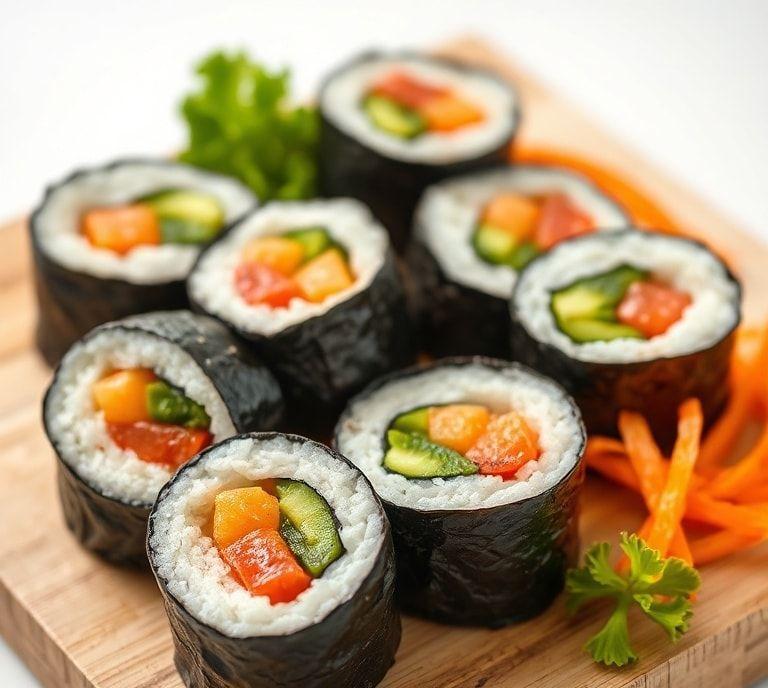
Kimbap is traditionally made with rice, vegetables, protein (like beef, eggs, or fish), and sometimes pickled radish, all wrapped up in a sheet of nori. For this vegetarian take, we’ll skip the meat but keep everything else as hearty and satisfying as the original. In this version, we’ll focus on fresh vegetables, some simple seasonings, and a subtle balance of textures.
The best part? You can swap ingredients depending on what you have available or your personal preferences. Think of it as a blank canvas.
Ingredients Needed
Let’s talk ingredients! You’ll need a few key components, and most of these are pretty easy to find. Here’s what goes into the vegetarian kimbap:
- Cooked rice: Short-grain sushi rice is the best choice, as it sticks together well and holds the roll’s shape.
- Nori (seaweed sheets): This wraps the whole roll up and adds a savory, umami flavor.
- Cucumber: Crisp and refreshing, cucumber brings a nice crunch.
- Carrots: I like to julienne them thinly for a light, sweet bite.
- Spinach or lettuce: This adds color and freshness. I typically blanch spinach for a softer texture, but raw lettuce works well too.
- Pickled radish (danmuji): This tangy, slightly sweet pickled vegetable gives the roll its signature color and flavor.
- Avocado: For a creamy, rich element that pairs beautifully with the crunch of the veggies.
- Sesame oil: This brings a deep, nutty richness to the rice.
- Soy sauce: Just a dash to season the rice.
- Salt: To season the vegetables and rice.
- Sesame seeds: These are optional but add a lovely crunch and nutty flavor when sprinkled on top.
Cooking Instructions
Making kimbap is a lot easier than it seems once you have everything prepped. Here’s how I go about it:
- Prepare the rice: Start by cooking your sushi rice. Once it’s done, let it cool slightly (but not too much). Drizzle a bit of sesame oil over the rice and season it with a pinch of salt. This gives it a lovely flavor and aroma.
- Prep the veggies: While the rice cools, take a moment to prepare your vegetables. Julienne the cucumber and carrot into thin strips. If you’re using spinach, blanch it briefly in hot water, then rinse with cold water and squeeze out the excess moisture. Slice your avocado into thin, manageable pieces.
- Assemble the rolls: Lay a sheet of nori on a bamboo sushi mat (or just a clean kitchen towel). Spread a thin layer of rice over the nori, leaving about an inch at the top free of rice. Be gentle here-don’t pack the rice too tightly.
- Layer the fillings: Arrange your veggies, avocado, and pickled radish horizontally across the rice. Keep the ingredients closer to the bottom of the roll to make it easier to wrap.
- Roll it up: Gently lift the bottom edge of the nori and rice, and roll it over the fillings, pressing lightly to keep everything in place. Once you reach the exposed inch of nori at the top, wet it lightly with some water to seal the roll.
- Slice and serve: Use a sharp knife to slice the roll into bite-sized pieces. Wipe your knife with a damp cloth between cuts to keep everything neat.
Ingredient Science Spotlight
Now, I find it fascinating how the ingredients in kimbap come together to create such a satisfying dish. Let’s take a quick look at the science behind some of these key ingredients.
- Rice: The sticky rice helps hold everything together, making it possible to roll the kimbap. It’s high in starch, which gives it that wonderful texture. The addition of sesame oil and a pinch of salt enhances the umami flavor, creating a balanced base for the fillings.
- Nori: Nori is rich in iodine, which supports thyroid health, and it’s packed with vitamins A, B12, and C. It also has a nice savory flavor, which works beautifully with the sweet vegetables and creamy avocado.
- Avocado: This is where the magic happens for texture. It’s creamy and soft, contrasting nicely with the crisp cucumber and crunchy carrots. Avocados also have healthy fats, which help your body absorb the fat-soluble vitamins in the veggies.
- Pickled radish: The tanginess of the radish adds balance, cutting through the richness of the avocado and bringing brightness to the dish.
Expert Tips
If there’s one thing I’ve learned in making kimbap, it’s that the little details make a big difference. Here are a few tips to get your kimbap looking and tasting like it came from your favorite Korean restaurant:
- Don’t overstuff the rolls: It’s tempting to pile on the fillings, but too much will make the rolls hard to manage. Keep it simple and balanced for a neater roll.
- Use a damp knife: When slicing, make sure your knife is wet. This prevents the rice from sticking and helps you get clean cuts.
- Keep the rice at the right temperature: If the rice is too hot, it can wilt the nori. If it’s too cold, it won’t stick properly. Aim for just slightly warm rice.
- Experiment with seasoning: Feel free to play with different seasonings like a drizzle of honey, a bit of chili paste for spice, or a few slices of kimchi for an extra zing.
Recipe Variations
While this vegetarian kimbap is simple and delicious, there’s so much room for creativity. Here are a few variations you might want to try:
- Tofu kimbap: For added protein, marinate some firm tofu in soy sauce, garlic, and sesame oil, then pan-fry it until crispy. Slice it into strips and add it to your rolls.
- Mushroom kimbap: Swap the avocado for sautéed mushrooms (shiitake or enoki work wonderfully). This adds a savory, earthy flavor.
- Spicy kimbap: Add a spicy kick by incorporating some gochujang (Korean chili paste) into the rice or sprinkling a little chili powder on the veggies.
- Kimbap with fruit: You can get creative and add some fresh fruit like mango or pear for a sweet twist.
Final Words
Kimbap is one of those dishes that truly brings people together. It’s fun to make, share, and customize. Whether you’re hosting a gathering or packing lunch for the week, it’s a meal that fits any occasion. The joy is in the process – chopping, assembling, and watching the simple ingredients come together into something special.
FAQs
What Ingredients Are Commonly Used In A Vegetarian Kimbap Recipe?
A vegetarian kimbap typically includes steamed white rice seasoned with sesame oil and salt, roasted or pickled vegetables such as carrots, cucumbers, spinach, and radish, along with optional ingredients like marinated tofu, egg strips, or mushrooms. Nori sheets are used to wrap the ingredients into rolls. Seasonings like soy sauce, sesame seeds, and a touch of sugar or rice vinegar can enhance the flavor.
How Can I Make Kimbap Rolls Without Using Any Meat Or Fish?
To make vegetarian kimbap, replace traditional fillings like crab sticks or fish with plant-based alternatives. Use a combination of fresh or lightly cooked vegetables, firm tofu, and egg if desired. Lay the nori sheet shiny side down, spread a thin layer of seasoned rice evenly, add your fillings in a horizontal line, and roll tightly using a bamboo mat. Slice the roll into bite-sized pieces and optionally brush with sesame oil for extra flavor.
Are There Tips To Prevent Vegetarian Kimbap From Becoming Soggy?
Yes, to avoid soggy kimbap, ensure that vegetables are well-drained or lightly sautéed to remove excess moisture. Avoid overfilling the rolls with wet ingredients like pickled radish or cucumber, and pat them dry before rolling. Using slightly cooled rice rather than hot rice also helps maintain the texture of the roll. Finally, brush a thin layer of sesame oil on the outside after slicing to keep the rolls fresh and flavorful.