When you think of Filipino food, what comes to mind? For many, it’s the rich, savory dishes packed with flavors like adobo, sinigang, and lechon. The Philippines has a vibrant culinary tradition, but in the midst of all those meaty dishes, there’s a lesser-known, but equally mouthwatering, side to Filipino cuisine: vegetarian recipes. As someone who grew up in a Filipino household, where meat often took center stage at the dining table, I’ve come to realize just how delicious and nourishing Filipino vegetarian dishes can be. They don’t just cater to vegetarians; they speak to anyone who’s looking to explore the rich flavors and textures of plant-based Filipino cooking.
In today’s world, more and more people are turning to plant-based diets for a variety of reasons. Whether it’s for health, ethical, or environmental reasons, vegetarianism is gaining traction worldwide. But let’s be honest, transitioning to vegetarian food can sometimes feel like a leap into uncharted territory, especially if you’re used to hearty meat-based meals. That’s where Filipino vegetarian recipes come in-they’re full of bold flavors and comforting textures, making the switch to plant-based eating a delightful journey.
I want to share with you one of my favorite Filipino vegetarian dishes, which is not only satisfying but also has a great balance of flavors and textures. It’s a recipe that brings the essence of Filipino cooking, without relying on meat or seafood. Let’s dive in!
Filipino Vegetarian Recipe: Ginataang Gulay (Vegetable In Coconut Milk)
One of my all-time favorite Filipino vegetarian dishes is Ginataang Gulay, a comforting and hearty dish where a variety of vegetables are simmered in creamy coconut milk. The coconut milk adds richness, while the vegetables soak up all the flavors and become tender. It’s a dish that truly reflects the essence of Filipino cooking-simple, humble, and filled with depth. You can serve it as a main dish or as a side to rice. Trust me, it’s one of those meals that makes you feel at home no matter where you are in the world.
Ingredients Needed
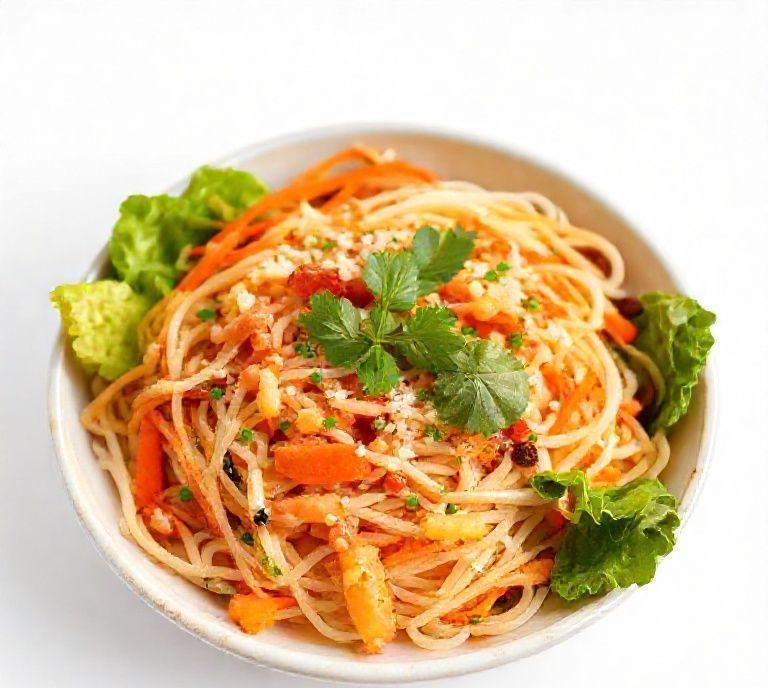
- 1 cup of coconut milk – Fresh coconut milk is best, but canned works just fine if fresh isn’t available.
- 1 medium onion, chopped
- 4 cloves garlic, minced
- 1 medium tomato, diced
- 1 medium potato, peeled and diced
- 1 medium carrot, peeled and sliced into rounds
- 1 cup green beans, cut into 2-inch pieces
- 1 small eggplant, sliced into rounds
- 1 small squash (kabocha or calabaza), peeled and diced
- 1 cup of baby corn (optional but adds a nice texture)
- 2-3 dried bay leaves
- 1 tbsp fish sauce (optional; for a fully vegetarian version, use soy sauce or miso)
- Salt and pepper to taste
- 1 tbsp cooking oil
- 1 cup water (or vegetable broth for extra flavor)
- 1 tbsp sugar (to balance the richness of the coconut milk)
Cooking Instructions
- Prepare the vegetables: Start by chopping all your vegetables into bite-sized pieces. I love how varied the textures are in this dish, from the soft, tender squash to the slightly crunchy green beans and baby corn. Everything just works so beautifully together.
- Sauté the aromatics: In a large pot or wok, heat the oil over medium heat. Add the onions and garlic and sauté them until they’re soft and fragrant. You know when the garlic hits the pan and you can smell that comforting, savory aroma wafting through the air? That’s when you know it’s time to add the tomatoes.
- Add the tomatoes: Cook the tomatoes for about 3 minutes, letting them soften and release their juices.
- Add the coconut milk and water: Pour in the coconut milk and water (or vegetable broth). Stir everything together, making sure the coconut milk is evenly distributed. This is the base of the dish, and it already smells so good.
- Simmer the vegetables: Add the potatoes, carrots, squash, and green beans. Stir them in and let them simmer for about 10-15 minutes, or until the vegetables start to soften. Be sure to stir occasionally to avoid burning the coconut milk, which can happen if the heat is too high.
- Season and adjust: Add the fish sauce or soy sauce, sugar, and bay leaves. Season with salt and pepper to taste. The sugar balances out the richness of the coconut milk, and the fish sauce or soy sauce adds that savory umami flavor that makes Filipino food so irresistible.
- Add the eggplant and baby corn: Once the other vegetables are just tender, throw in the eggplant and baby corn. They don’t need as long to cook, just about 5 minutes.
- Finish and serve: Once all the vegetables are cooked through and the sauce has thickened slightly, give the dish a final stir. Serve it hot with steamed white rice, and you’re good to go.
Ingredient Science Spotlight
Let’s take a moment to appreciate the star ingredient of this dish: coconut milk. Coconut milk is a staple in many Filipino dishes, and it’s not just about flavor-there’s a lot of science happening in that creamy liquid. Coconut milk is high in saturated fat, which gives it its signature richness and smooth texture. But it’s not the kind of saturated fat you find in meat; coconut oil contains medium-chain triglycerides (MCTs), which are metabolized differently by the body. Some studies suggest that MCTs can be a quick source of energy and may even help with weight loss. Plus, coconut milk is a good source of magnesium and potassium, which are important for muscle function and heart health. The natural sweetness and creaminess it adds to dishes like Ginataang Gulay are unbeatable.
Expert Tips
- Vegetable Variety: While this recipe calls for potatoes, carrots, and squash, you can mix up the vegetables based on what’s in season or what you have on hand. Sweet potatoes, bell peppers, or even okra can be great additions to this dish.
- Use Fresh Coconut Milk: If you can find fresh coconut milk (or make your own), it will add a whole new level of flavor. The canned versions are good in a pinch, but nothing beats the richness of fresh coconut milk.
- Adjust the Creaminess: If you prefer a creamier dish, you can add more coconut milk. On the other hand, if you want a lighter version, use less coconut milk and more water or broth.
- Low and Slow: Don’t rush the simmering process. Let the vegetables cook slowly so they absorb all the flavors of the coconut milk and aromatics. This is what gives the dish its rich, comforting quality.
Recipe Variations
- Spicy Version: If you like a bit of heat, add a chopped chili pepper or two. Filipino cuisine often incorporates heat in subtle ways, and a little chili can elevate the flavors without overpowering them.
- Tofu Addition: For some added protein, you can fry up cubes of firm tofu and mix them into the dish just before serving. It will soak up the coconut milk and add some texture contrast.
- Vegan Version: This recipe is naturally vegan when you replace the fish sauce with soy sauce. You can also try using miso for a deeper umami flavor.
- Mushroom Medley: If you’re a fan of mushrooms, toss in some shiitake, oyster, or button mushrooms for an earthy addition. They’ll absorb the coconut milk and enhance the overall flavor.
Final Words
There’s something about Ginataang Gulay that just feels like a warm hug. It’s the kind of dish you can make for family gatherings, but it’s also perfect for a quiet weeknight dinner. The combination of tender vegetables and rich coconut milk feels wholesome and satisfying, but it’s not heavy. Every bite is comforting, but there’s always a slight surprise-whether it’s the soft sweetness of the squash or the slight crunch of the green beans. It’s a simple dish, but the flavors are so layered that it’s never boring.
FAQs
What Are Some Popular Filipino Vegetarian Dishes?
Popular Filipino vegetarian dishes include ’Laing’ (taro leaves cooked in coconut milk), ’Pinakbet’ (a vegetable stew made with squash, eggplant, okra, and other local vegetables), and ’Gising-gising’ (a spicy vegetable dish with long beans and coconut milk). Other vegetarian options also include ’Adobong Kangkong’ (water spinach cooked in soy sauce and vinegar) and ’Sinigang na Baboy sa Miso’ (which can be modified with tofu for a vegetarian version).
Can Traditional Filipino Dishes Be Made Vegetarian?
Yes, many traditional Filipino dishes can be adapted into vegetarian versions. For example, ’Adobo’ can be made with tofu or seitan instead of meat, and ’Sinigang’ can be made with vegetables or tofu instead of pork or shrimp. Substituting plant-based ingredients like tofu, tempeh, or mushrooms in place of meat is a common way to create a vegetarian Filipino dish while maintaining the authenticity of flavors.
What Are Common Ingredients In Filipino Vegetarian Cooking?
Common ingredients in Filipino vegetarian cooking include a wide variety of vegetables such as eggplant, bitter melon, okra, sweet potatoes, and squash. Coconut milk, soy sauce, vinegar, garlic, onion, and ginger are staple seasonings. Tofu, tempeh, and mushrooms are often used as meat substitutes. Filipino dishes also incorporate flavorful ingredients like shrimp paste (which can be substituted with plant-based alternatives) and tropical fruits like jackfruit, which is used in some savory dishes.