
There’s something incredibly special about discovering a new recipe that transports you to a different place, a different time, and even a different culture. For me, one of those recipes is Palusami-a rich, comforting dish from the Pacific Islands. It’s a traditional Samoan meal that combines the earthy flavors of taro with coconut milk and is wrapped in glossy green leaves. The first time I encountered it, I was sitting around a table at a friend’s Samoan family gathering. The moment the dish was served, the smell of coconut and taro filled the room, and I was instantly hooked. There’s something about how the leaves act as a perfect steamer, locking in all the flavors, that gives the dish its soul.
Palusami, traditionally made with meat (often corned beef or lamb), can also be easily adapted to be vegetarian, making it a perfect option for anyone looking to experience the magic of Samoan cuisine while sticking to plant-based eating. This recipe combines tradition with a modern, vegetarian twist, and I can assure you it’s just as satisfying as the meaty original. Grab your ingredients and let’s dive in.
Vegetarian Palusami Recipe
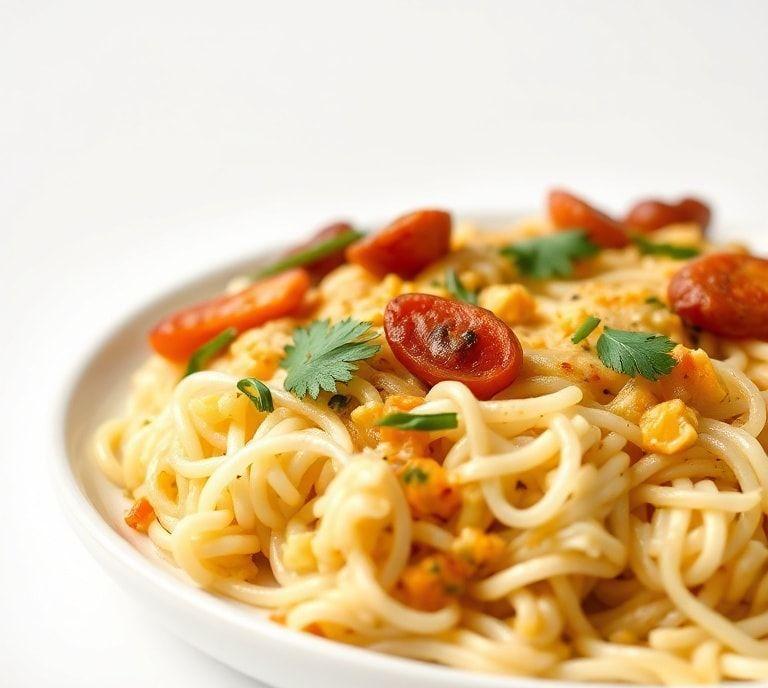
Let me start by saying this vegetarian version of Palusami does not fall short in flavor. It’s as rich, creamy, and savory as the classic. The key is the combination of fresh spinach (instead of meat) and creamy coconut milk, which, when wrapped up and baked, results in something comforting yet surprisingly light. When you make this, make sure you have the time to let the dish cook low and slow. The beauty of Palusami lies in the layering of flavors and the steam-cooking process that takes place as the leaves wrap everything up.
Ingredients Needed
Here’s what you’ll need to make this vegetarian version of Palusami:
- Taro Leaves: These are the traditional wrapping leaves. You might have to visit a specialty store or farmer’s market for these, but you can often substitute them with spinach leaves if you can’t find them. Taro leaves give Palusami that unique look and texture, but spinach still holds the flavor.
- Spinach: The veggie base that replaces meat in this version. Spinach is soft and has a slightly sweet taste when cooked, which balances the richness of the coconut milk beautifully.
- Coconut Milk: The creaminess of coconut milk is what makes Palusami feel luxurious. I always go for full-fat coconut milk because it really gives the dish its depth of flavor.
- Onions: A small onion, finely chopped. It adds sweetness and a savory foundation to the filling. Plus, the smell of caramelized onions while cooking is the best thing in the world.
- Garlic: A couple of cloves, minced. Garlic just takes everything to the next level, don’t you think?
- Lemon Juice: Just a little squeeze to brighten up all the richness of the coconut milk.
- Salt & Pepper: The usual seasoning, to taste.
- Chili (Optional): If you like a little heat, a small chili can give it a subtle kick without overpowering the other flavors.
- Fresh Thyme (Optional): A sprinkle of fresh thyme brings a beautiful, earthy note that pairs really well with the coconut milk.
Cooking Instructions
Alright, here’s how you make this veggie version of Palusami. It’s actually pretty simple once you get the hang of it, but the process is full of little details that make all the difference. I’ve broken it down into steps:
- Prepare the Taro Leaves: First, you need to clean the taro leaves (if you’re using them). Taro leaves can have a bit of a rough texture, so I always recommend blanching them quickly in boiling water for a minute or two to soften them. If you’re using spinach, no need for this step.
- Make the Filling: Start by sautéing your onions in a bit of oil over medium heat until they’re soft and translucent-this usually takes about 5 minutes. Add in your minced garlic and cook for another minute until fragrant. Then, stir in the spinach and cook it down until it wilts. Once it’s cooked, add the coconut milk, salt, pepper, a squeeze of lemon juice, and chili (if using). Stir it all together until it’s smooth and creamy. Taste it and adjust the seasoning to your liking.
- Assemble the Palusami: Now it’s time to assemble! Take a large taro leaf (or a few spinach leaves if that’s what you’re using), and lay it flat on your working surface. Spoon a generous amount of the spinach-coconut mixture into the center. Then, carefully fold the edges of the leaves over the filling, wrapping it like a small parcel or bundle. If you’re using spinach leaves, you’ll do something similar-just layer them well to create a nice seal.
- Steam: Place the wrapped parcels into a steaming basket or on a tray in a steamer. If you don’t have a steamer, you can also wrap them in foil and bake them in the oven at 350°F (175°C) for about 30 minutes. Steaming in the traditional way gives the Palusami that signature softness and depth of flavor, but baking works too!
- Serve: After the Palusami has cooked, unwrap the leaves carefully. The coconut sauce will have thickened and absorbed into the filling, and you’ll have a beautifully rich dish that’s ready to serve. I like to pair it with some rice or a side of roasted vegetables.
Ingredient Science Spotlight
Let’s talk about the science behind some of these ingredients-particularly coconut milk and taro leaves. Coconut milk, a key ingredient in this dish, is a natural emulsion of coconut fat and water. It’s rich in medium-chain fatty acids, which are believed to have health benefits like promoting heart health and aiding in digestion. It’s also incredibly versatile in cooking, adding creaminess without the need for dairy.
Taro leaves, on the other hand, contain oxalates, which are compounds that can be irritating if eaten raw. This is why it’s crucial to cook them thoroughly (as we do by blanching them before wrapping). The cooking process breaks down those oxalates, making the leaves safe to eat and allowing them to absorb the flavors of the coconut milk beautifully.
Expert Tips
- Don’t Skip the Blanching: Even if you’re using spinach, you might want to blanch it briefly. This will help reduce any bitterness and make it easier to wrap.
- Coconut Milk Consistency: Not all coconut milk is the same. If you find that your coconut milk is too thin, try using a thicker, full-fat version for a creamier result. Sometimes, shaking the can before opening can help.
- Wrap It Right: Be gentle when wrapping the Palusami, but make sure the leaves are tightly sealed to keep all the moisture and flavors in.
- Make Ahead: If you’re making this dish for a gathering, you can wrap the parcels ahead of time and refrigerate them. When it’s time to cook, simply steam or bake them.
Recipe Variations
There are so many ways to play with this recipe! Here are a few ideas:
- Add Mushrooms: For a more umami-rich filling, throw in some chopped mushrooms. They’ll absorb the coconut milk and make the dish even more savory.
- Spicy Palusami: If you want a real kick, toss in a diced chili pepper or a dash of cayenne pepper into the coconut sauce.
- Add Protein: If you’re not strictly vegetarian, you can add chunks of firm tofu or tempeh to the filling for a protein-packed version.
- Herbs and Spices: Try adding fresh herbs like cilantro or basil for a fresh twist, or experiment with spices like cumin or turmeric for an aromatic variation.
Final Words
Making Palusami is a journey in itself. From finding the right ingredients to watching the steam rise from the wrapped parcels, it’s one of those dishes that lets you take your time. There’s something so satisfying about the process, and when it comes out of the oven or steamer, the soft, comforting aroma will take over your kitchen. The balance of coconut and spinach, with just a hint of seasoning, is incredibly nourishing, not just for the body but also for the soul.
FAQs
What Is Palusami, And What Makes A Vegetarian Version Different?
Palusami is a traditional dish from the Pacific Islands, typically made with taro leaves, coconut milk, and various meats or seafood. The vegetarian version of palusami replaces the usual meat (often pork or fish) with plant-based ingredients like tofu, vegetables, or legumes, making it suitable for vegetarians while maintaining the rich coconut and taro flavor.
What Ingredients Are Needed To Make A Vegetarian Palusami Recipe?
To prepare vegetarian palusami, you will need fresh or frozen taro leaves, coconut milk, onions, garlic, ginger, soy sauce or salt for seasoning, and vegetables like spinach, mushrooms, or bell peppers. Optional ingredients include tofu or chickpeas for added protein, and a variety of herbs and spices to enhance flavor.
How Long Does It Take To Cook Vegetarian Palusami, And Can It Be Made In Advance?
Cooking vegetarian palusami typically takes around 45 minutes to an hour, depending on the size and thickness of the taro leaves. The dish is best cooked slowly to ensure the flavors meld together. Yes, it can be made in advance; in fact, it often tastes better the next day as the flavors have more time to develop. Simply store it in an airtight container in the refrigerator and reheat when ready to serve.