I’ve always believed that food, at its heart, is about storytelling. Each dish has a tale to tell, whether it’s about your childhood, a particular moment, or the people around the table. That’s one of the reasons I love sharing recipes-because they invite you to step into the kitchen, where stories unfold with each ingredient you toss together. One such dish that never fails to bring warmth and nostalgia is Vegetarian Pizza Rustica.
For me, it evokes memories of Sunday dinners with my family. The kitchen was always the heart of our home, bustling with the sounds of laughter, the smell of freshly baked bread, and of course, pizza-though not the kind you might find in a pizzeria. This was homemade, rustic, and a little more indulgent than the usual. Over the years, I’ve tweaked and perfected this recipe, and I’m thrilled to share it with you. It’s hearty, savory, and packed with flavors that will make you wonder why you didn’t try it sooner.
Vegetarian Pizza Rustica Recipe
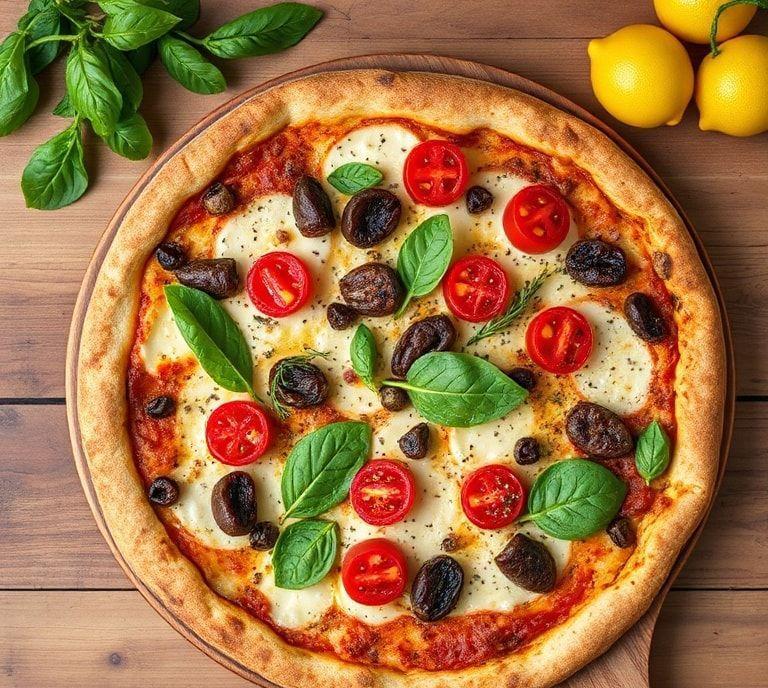
This Vegetarian Pizza Rustica isn’t just a pizza-it’s a beautiful combination of the crisp, golden crust, the richness of mozzarella and ricotta, the earthiness of roasted vegetables, and the fresh pop of basil. It’s the perfect example of how simple ingredients, when given the right care and time, can come together to create something truly extraordinary.
Ingredients Needed
Here’s a list of what you’ll need. Don’t worry, most of these are likely already hanging out in your kitchen:
- Pizza dough: You can either make it yourself (I’ll share a simple recipe later) or buy it pre-made. I tend to go the homemade route because there’s something magical about fresh dough.
- Olive oil: For roasting the vegetables and brushing on the crust for that perfect golden finish.
- Mozzarella cheese: The melty, stretchy goodness that holds everything together.
- Ricotta cheese: This is the secret ingredient that gives the pizza a creamy, dreamy richness.
- Red bell pepper: Roasted until sweet and tender.
- Zucchini: Adds a light, fresh note to balance the richness of the cheeses.
- Eggplant: A hearty, earthy flavor that complements the other vegetables beautifully.
- Fresh basil: The herby, aromatic finish that takes everything up a notch.
- Garlic: Because who doesn’t love a bit of garlic in a savory dish?
- Parmesan cheese: For a salty, umami kick.
- Balsamic vinegar: A touch of sweetness and acidity that helps balance the richness of the cheeses and vegetables.
- Salt and pepper: Essential to bring all the flavors together.
Cooking Instructions
Alright, time to get hands-on and bring this beauty to life. Let me walk you through the steps:
- Prep the Dough: If you’re making the dough from scratch, let it rise for about 1-1.5 hours, or until it doubles in size. While you wait, feel free to pour yourself a glass of wine or do a quick kitchen tidy-up.
- Roast the Veggies: Preheat your oven to 400°F (200°C). Slice the red bell pepper, zucchini, and eggplant into thin strips or rounds. Toss them with a bit of olive oil, salt, and pepper, and lay them out on a baking sheet in a single layer. Roast for 20-25 minutes, flipping halfway through, until they’re tender and lightly caramelized. The smell will drive you wild.
- Roll Out the Dough: Once the dough has risen, punch it down and roll it out into a round or rectangular shape-whatever suits your pan or mood that day. It doesn’t need to be perfect-rustic is the name of the game here.
- Assemble the Pizza: Transfer the dough to a greased baking sheet. Brush the top with a bit of olive oil. Then, spread the ricotta evenly across the dough, leaving a little space around the edges for the crust. Add a layer of mozzarella, followed by the roasted vegetables.
- Bake: Pop the pizza into the oven for 12-15 minutes, or until the crust is golden and the cheese is bubbling and melted. If you want an extra crispy crust, you can always broil it for the last minute or so.
- Finish and Serve: After pulling the pizza out of the oven, drizzle a little balsamic vinegar over the top and sprinkle with fresh basil and grated Parmesan. Let it cool for a minute or two, slice, and dive in.
Ingredient Science Spotlight
One of the most magical parts of this recipe lies in how the ingredients interact. Let’s take a closer look at some of them:
- Dough: The yeast in the dough ferments the sugars, creating carbon dioxide and causing the dough to rise. This gives the crust its airy, light texture. Kneading helps develop the gluten, which gives it structure. When baked, the high heat creates a golden, crisp exterior while keeping the inside soft.
- Vegetables: Roasting brings out the natural sugars in vegetables like bell peppers and zucchini, creating that caramelized sweetness that balances the saltiness of the cheeses. Eggplant, on the other hand, absorbs the oil and becomes tender, offering a meaty texture that makes this pizza satisfying without the need for meat.
- Cheese: The combination of mozzarella and ricotta is essential. Mozzarella has a mild flavor and great meltability, while ricotta offers a smooth, creamy richness. When these two come together, they create the perfect base for the roasted veggies.
- Balsamic Vinegar: A dash of balsamic vinegar adds acidity and sweetness. It’s a perfect counterpoint to the richness of the cheese and roasted vegetables, and it brings all the flavors into harmony.
Expert Tips
- Use Fresh Dough: If you’re short on time, buying dough is fine, but nothing beats the texture and flavor of homemade dough. The fermentation process gives it a depth of flavor you simply can’t get from store-bought.
- Go Heavy on the Vegetables: This pizza is all about the veggies, so don’t be shy with them. Layer them on thick for the ultimate veggie-packed slice.
- Get Creative with Cheese: If you’re not a fan of ricotta, you could swap it for goat cheese or even cream cheese for a tangier, richer result.
- Baking Stone: If you have a pizza stone, use it! Preheat it in the oven for a crispier crust. Just make sure to transfer the pizza onto the stone carefully-parchment paper is your best friend here.
- Add Extra Flavor with Herbs: Besides basil, try experimenting with thyme or oregano for a more complex herbal note.
Recipe Variations
- Add More Veggies: If you’re looking for extra nutrition and flavor, toss in some spinach, mushrooms, or even artichoke hearts.
- Spicy Kick: Add a few red pepper flakes or a drizzle of chili oil for a bit of heat.
- Cheese Swap: Try a mix of Gruyère or goat cheese for a richer taste, or vegan cheese if you prefer plant-based options.
- Pesto Drizzle: Instead of balsamic vinegar, drizzle a bit of basil pesto over the top for a fresh, vibrant twist.
Final Words
Cooking is an experience that stretches far beyond just following a recipe. It’s about exploration, about adapting, and making something your own. This Vegetarian Pizza Rustica is an excellent canvas for your creativity. Whether you add more veggies, switch up the cheeses, or play with herbs and spices, you’ll make it your own masterpiece.
But no matter how you end up making it, one thing’s for sure: It’s bound to become a favorite in your home. The combination of crispy dough, melty cheese, roasted vegetables, and fresh basil is nothing short of irresistible.
FAQs
What Is Vegetarian Pizza Rustica, And How Does It Differ From Traditional Pizza?
Vegetarian pizza rustica is a savory Italian pie made with a rich, flaky crust and a hearty filling of vegetables, cheeses, and eggs. Unlike traditional pizza, which is typically flat with toppings on top of a dough base, pizza rustica has a thicker, enclosed crust and is baked as a pie, making it ideal for slicing and serving as a meal or appetizer. The vegetarian version replaces meats commonly used in traditional pizza rustica with seasonal vegetables, ensuring a meat-free option that is equally flavorful and satisfying.
What Are The Best Vegetables And Cheeses To Use In A Vegetarian Pizza Rustica?
The best vegetables for vegetarian pizza rustica include spinach, zucchini, bell peppers, mushrooms, and artichokes, as they retain texture and flavor when baked. For cheeses, ricotta, mozzarella, and Parmesan are traditional choices, providing a creamy, melty, and slightly tangy filling. Some recipes also incorporate provolone or fontina for added depth. Pre-cooking or sautéing certain vegetables helps prevent excess moisture from making the crust soggy.
Can Vegetarian Pizza Rustica Be Prepared In Advance And Frozen?
Yes, vegetarian pizza rustica can be prepared in advance and frozen, making it convenient for meal planning. To do this, assemble the pie in a suitable baking dish, wrap it tightly with plastic wrap and aluminum foil, and freeze for up to 2-3 months. When ready to bake, thaw it in the refrigerator overnight and then bake according to the recipe instructions, typically until the crust is golden brown and the filling is set. This method ensures the flavors meld together while maintaining the pie’s structure and taste.