There’s something about the simplicity of a frittata that makes it one of my favorite dishes. It’s like a comforting hug for your taste buds: quick to make, endlessly customizable, and perfect for any meal of the day. Whether you’re using up leftover vegetables or experimenting with bold new flavors, a frittata is the kind of dish that always hits the mark. And when you go the vegetarian route, you open up a whole world of color, texture, and flavor, all wrapped in a fluffy, satisfying egg base.
Let’s dive into a recipe I’ve been making for years-my go-to Mini Frittata. These bite-sized versions are perfect for brunches, snacks, or even packed in a lunchbox. They’re packed with nutrients, vibrant veggies, and, of course, all the comforting goodness you expect from a frittata. Best part? You can make them ahead of time and store them for busy mornings.
Mini Frittata Vegetarian Recipe
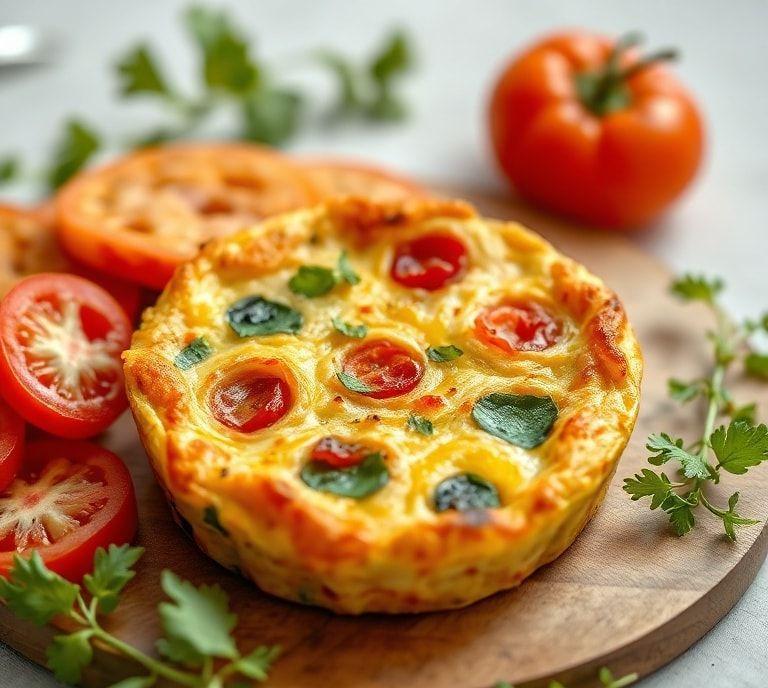
This recipe is all about creating small, flavorful, individual frittatas that are easy to prepare and perfect for all types of eaters. Whether you’re trying to get more veggies into your day or just looking for a simple, protein-packed meal, these mini frittatas are exactly what you need. The balance of eggs, veggies, and cheese provides just the right texture and flavor to keep you satisfied without feeling heavy.
Here’s how to make them:
Ingredients Needed
- 8 large eggs – The foundation of any frittata. They create that soft, custardy texture.
- 1 cup of diced bell peppers – Any color works, but I love the sweetness of red and yellow bell peppers.
- ½ cup of finely chopped spinach – The perfect way to sneak in some greens.
- 1 small zucchini, diced – Adds a lovely subtle crunch and moisture.
- ¼ cup of shredded cheese – You can use cheddar, mozzarella, or any cheese you like. I usually go for a blend.
- 1 tablespoon olive oil – For sautéing your veggies and giving that rich base flavor.
- Salt and pepper – To taste.
- Fresh herbs – I love fresh basil or parsley, but thyme or chives work well too. These bring an added layer of flavor.
- Optional additions – A dollop of sour cream or Greek yogurt can be served on top for creaminess. A few red pepper flakes can add a kick if you like some spice.
Cooking Instructions
- Preheat your oven to 375°F (190°C). Line a muffin tin with baking cups, or lightly grease it with cooking spray or a bit of olive oil. These will be your frittata molds, so it’s important they don’t stick.
- Sauté the veggies. Heat the olive oil in a skillet over medium heat. Toss in the diced bell peppers, zucchini, and spinach. Sauté for about 5-7 minutes, until the vegetables are tender. You want them to soften but not get too mushy. This step is crucial because it helps concentrate the flavors.
- Prepare the eggs. In a large bowl, crack all the eggs and whisk them together until smooth. Season with salt and pepper to taste, and then stir in the shredded cheese and fresh herbs.
- Combine. Take the sautéed veggies and spoon them evenly into the muffin cups. Pour the egg mixture over the top of the veggies, filling each cup about ¾ full. Don’t worry if the egg doesn’t completely cover the veggies-this is part of the charm!
- Bake. Place the muffin tin in the oven and bake for about 15-20 minutes, or until the frittatas are golden on top and a toothpick inserted comes out clean. Keep an eye on them toward the end to make sure they don’t overcook. You’re looking for that soft, delicate texture, not something dry and rubbery.
- Serve. Once they’re done, let the mini frittatas cool for a minute before gently removing them from the muffin tin. You can serve them warm or at room temperature, making them super versatile. If you’re feeling fancy, add a dollop of sour cream or Greek yogurt on top for a creamy contrast.
Ingredient Science Spotlight
Eggs are the star ingredient in any frittata, and they’re fascinating when you think about them from a scientific standpoint. Eggs are made up of two main components: the egg white (albumin) and the yolk. The yolk contains fats, proteins, and water, which, when whisked, create the perfect custard-like texture in a frittata. The egg whites, on the other hand, are mostly water and protein, and when cooked, they help set the structure of the frittata, giving it stability.
When you whisk the eggs, you’re incorporating air into the mix. This is why you get that light and fluffy texture when baked. The proteins in the eggs unwind and bind together as they cook, creating a cohesive structure. Adding cheese to the mix brings in fat, which softens the frittata and adds a creamy mouthfeel.
Vegetables, while adding flavor and color, also bring water to the dish. This moisture can help balance out the richness of the eggs and cheese, keeping the frittata from being too dense. Zucchini, in particular, is high in water, which means it keeps the mini frittatas nice and moist without making them soggy.
Expert Tips
- Don’t overfill the muffin cups-Leave some room for the eggs to puff up. Overfilling might cause them to spill over, or worse, prevent them from cooking evenly.
- Make them ahead of time. These mini frittatas store wonderfully in the fridge for a few days. You can even freeze them for longer storage-just reheat them in the oven for a few minutes when you’re ready to eat.
- Customize with what you’ve got. Feel free to swap in any veggies or herbs you have on hand. Mushrooms, tomatoes, onions, or even roasted sweet potatoes can work beautifully.
- Use a good non-stick muffin tin. This will make removal much easier and reduce the risk of sticking.
- Watch the baking time. Every oven is different, so make sure to keep an eye on your frittatas toward the end. Overcooking them will result in a dry, rubbery texture, and that’s the last thing you want.
Recipe Variations
While the veggie version is my go-to, the great thing about frittatas is their versatility. You can take this base recipe and add a variety of ingredients to make it your own:
- Cheese lovers: Try goat cheese, feta, or Gruyère for a different cheese profile. Each one adds a unique tang and flavor depth.
- Herb infusion: Fresh thyme, dill, or tarragon can elevate the flavor and give the dish a fragrant, fresh note.
- Add protein: Throw in a handful of cooked quinoa, sautéed mushrooms, or even some crumbled veggie sausage for a heartier frittata.
- Spicy kick: Add some diced chili peppers or red pepper flakes to the egg mixture for a touch of heat.
Final Words
Mini frittatas are a fun, easy, and nutritious way to mix up your regular meals. They come together in a flash, and with so many ways to customize them, you’ll never get bored. They’re perfect for meal prep, making them a great solution for busy mornings or when you need a quick snack on hand. Plus, they’re a hit at brunch gatherings or as a snack when you’re craving something savory and light.
FAQs
What Vegetables Can I Use In A Mini Frittata Vegetarian Recipe?
You can use a variety of vegetables in a mini frittata, such as spinach, bell peppers, zucchini, mushrooms, onions, tomatoes, and kale. It’s best to use vegetables that are quick-cooking and have low moisture content to prevent the frittata from becoming soggy.
Can I Make Mini Frittatas Ahead Of Time And Store Them?
Yes, mini frittatas can be made ahead of time. Once baked and cooled, store them in an airtight container in the refrigerator for up to 3 days. You can also freeze them for up to 1 month. To reheat, simply warm them in the oven or microwave.
Can I Add Cheese To The Mini Frittata Vegetarian Recipe?
Yes, adding cheese to a vegetarian mini frittata is a great option. Cheeses such as feta, cheddar, goat cheese, or mozzarella complement the vegetables well. You can mix the cheese into the egg mixture or sprinkle it on top before baking for a melty, flavorful finish.