It’s funny how certain dishes can have an almost magnetic effect. You know, the kind that makes you look at a recipe and think, “I need to make this right now”. Thai rice, especially when paired with a medley of vibrant veggies, is one of those dishes for me. There’s something about it: the balance of savory, sweet, spicy, and tangy that you can’t quite get enough of. And what’s even better, it’s one of those meals that’s both easy to make and surprisingly satisfying. You can pair it with anything, from a simple side salad to crispy spring rolls, or eat it on its own. It’s comforting, it’s vibrant, and it’s absolutely packed with flavor.
Now, while there’s a ton of Thai rice recipes floating around, I’m particularly drawn to a vegetarian version that’s not only incredibly healthy but also feels light yet indulgent. There’s something satisfying about crafting a meal that’s nourishing, colorful, and loaded with fresh ingredients. So, let’s dive into this Thai rice vegetarian recipe that’s become one of my all-time favorites.
Thai Rice Vegetarian Recipe
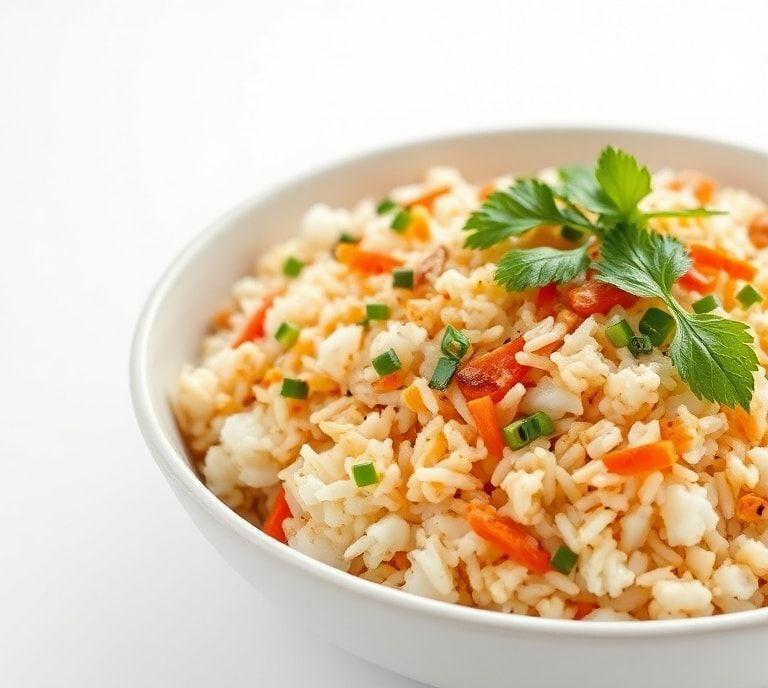
This Thai rice vegetarian recipe is an absolute winner, especially if you’re in the mood for something with bright, punchy flavors but without the heaviness. It’s loaded with fresh vegetables like carrots, bell peppers, and peas, all tied together with the fragrant goodness of jasmine rice. The sauce? A simple combination of soy sauce, lime juice, and a touch of sugar-this is the perfect balance of salty, sour, and sweet that makes every bite an adventure. Oh, and we can’t forget the garlic and ginger-these two ingredients have a magical way of lifting the entire dish and bringing everything together with a punch of aromatic warmth.
Ingredients Needed
This is one of those recipes where you can easily play with the ingredients depending on what you have in your kitchen, but the key components are pretty straightforward:
- 2 cups of jasmine rice – Aromatic and fluffy, jasmine rice is the foundation. If you can’t find it, basmati works in a pinch, but jasmine rice is my go-to for that signature Thai fragrance.
- 1 tablespoon vegetable oil – For sautéing the garlic and ginger. You could use coconut oil here for an extra tropical flair.
- 2 cloves of garlic – Freshly minced, of course. It’s essential for that savory kick right from the start.
- 1-inch piece of ginger – Fresh ginger adds that zingy warmth. No substitutions here-fresh is key.
- 1 bell pepper, thinly sliced – Any color you like. Red is the most traditional, but I love a mix of colors for extra vibrancy.
- 1 carrot, julienned – Thin, crunchy, and slightly sweet. Perfect for this dish.
- 1/2 cup peas – These add a pop of color and a burst of sweetness. Frozen peas are fine, but fresh is always a treat if you can swing it.
- 1/4 cup soy sauce – This is the salty backbone of the dish. If you’re looking for a gluten-free option, tamari works just as well.
- 1 tablespoon sugar – Just a little sweetness to balance the salty and sour elements.
- 1 tablespoon lime juice – Fresh lime juice, please! It brightens up the entire dish and brings it to life.
- Fresh cilantro (optional) – For garnish, because it adds that final burst of freshness that elevates the whole thing.
Cooking Instructions
Okay, let’s get down to business. The steps are simple, but when everything comes together, it feels like magic.
- Cook the Rice: Begin by cooking the jasmine rice. If you have a rice cooker, now’s the time to put it to work. You’ll want about 2 cups of uncooked rice, which will yield 4 cups of cooked rice. If you’re cooking it on the stove, rinse the rice until the water runs clear, then cook it with a 1:1.5 ratio of rice to water. Bring it to a boil, then cover and simmer for about 15 minutes until the rice is tender.
- Sauté the Aromatics: While your rice is cooking, heat the vegetable oil in a large skillet or wok over medium heat. Toss in the minced garlic and ginger and sauté for about 1-2 minutes. You’ll know it’s ready when your kitchen smells amazing-golden and fragrant.
- Add the Veggies: Now, throw in the bell pepper, carrot, and peas. Stir-fry these for about 4-5 minutes until they’re tender but still vibrant. You want a little crunch in there, so don’t overdo it.
- Mix in the Rice: Once your veggies are cooked, add the cooked jasmine rice into the skillet. Give everything a good toss to combine, letting the flavors mix in.
- Sauce It Up: Pour the soy sauce, lime juice, and sugar over the rice mixture. Stir well to make sure everything is evenly coated. Let it cook for another 2-3 minutes so the rice can absorb all those delicious flavors.
- Final Touches: Taste the dish and adjust as needed-more soy sauce for saltiness, a bit more sugar if you like it sweeter, or an extra squeeze of lime juice if you’re a citrus lover. Once it’s just right, sprinkle some fresh cilantro on top for a pop of color and flavor.
Ingredient Science Spotlight
Let’s take a moment to dive into the science of one of the key ingredients in this recipe: Jasmine Rice. What’s the deal with this variety that makes it so special? Well, jasmine rice has a high amount of naturally occurring aromatic compounds called 2-acetyl-1-pyrroline (fancy, right?). These compounds are responsible for that delicate, popcorn-like fragrance that jasmine rice is known for. They’re also what makes this rice variety stand out in Thai cuisine.
Another ingredient worth highlighting is ginger. It’s not just a flavor booster-ginger contains bioactive compounds like gingerol, which are believed to have anti-inflammatory properties. So, you’re not just adding a zesty punch to your dish; you’re also reaping some potential health benefits with every bite.
Expert Tips
- Don’t Skimp on Fresh Ginger: You may be tempted to use powdered ginger, but trust me, fresh ginger is a game-changer. It’s got that crisp, zesty heat that powdered ginger just can’t match.
- Customize the Veggies: Feel free to add or swap out vegetables based on what’s in season or what you’ve got on hand. Mushrooms, zucchini, or snap peas all work wonderfully.
- Go Easy on the Soy Sauce: Depending on the brand of soy sauce you use, it can vary in saltiness. Start with a little, then taste and adjust. You can always add more, but you can’t take it out once it’s in.
- Crisp Rice at the End: For an extra layer of texture, let the rice sit in the pan for a couple of minutes after everything’s mixed in. This will give you some crispy bits of rice at the bottom-delicious!
Recipe Variations
If you’re feeling adventurous, here are a few variations you can try:
- Add Tofu: For some extra protein, pan-fry some tofu cubes until crispy and add them into the mix. It’s a perfect addition for anyone craving a heartier meal.
- Switch Up the Sauce: Instead of using just soy sauce, try a combination of soy sauce and coconut aminos for a slightly different flavor profile. Or go a little bolder and use fish sauce for a more authentic Thai flavor (but that would no longer make it vegetarian).
- Add Chili: If you’re a fan of heat, toss in some finely chopped fresh chilies or chili paste for that spicy kick.
Final Words
This Thai rice vegetarian recipe is more than just a meal-it’s an experience. It’s simple, yet full of life. You’ve got the freshness of the vegetables, the comforting aroma of jasmine rice, the bright citrus notes from the lime, and the savory depth of soy sauce, all coming together in one bite. It’s the kind of dish that you can prepare after a long day, or when you have friends over, and they’ll be asking for the recipe by the end of the night.
FAQs
What Ingredients Are Essential For A Thai Rice Vegetarian Recipe?
A typical Thai rice vegetarian recipe requires rice (usually jasmine rice), a variety of fresh vegetables such as bell peppers, carrots, broccoli, and snap peas, aromatics like garlic, ginger, and onions, and plant-based proteins such as tofu or tempeh. Additionally, Thai flavoring elements include soy sauce or tamari, coconut milk, lime juice, chili, and fresh herbs like cilantro or Thai basil.
Can I Make Thai Rice Vegetarian Recipe Gluten-free?
Yes, a Thai rice vegetarian recipe can be made gluten-free by using gluten-free soy sauce or tamari instead of regular soy sauce. Ensure that all packaged sauces or condiments, such as curry pastes or chili sauces, are labeled gluten-free. Naturally, rice and fresh vegetables are already gluten-free, making this cuisine adaptable for gluten-sensitive diets.
How Can I Make The Thai Rice Vegetarian Recipe More Flavorful Without Using Meat?
Flavor can be enhanced through the use of aromatic herbs, spices, and umami-rich ingredients. Incorporate garlic, ginger, lemongrass, kaffir lime leaves, and Thai chilies for depth. Adding a splash of lime juice or rice vinegar balances flavors, while roasted or lightly fried tofu provides texture. Toasted sesame seeds, crushed peanuts, or a drizzle of coconut milk can also enrich the dish without using meat.