When I first made the decision to try a vegetarian diet, I thought it would be a lot of salads and grains. But over time, I discovered that there’s so much more to plant-based eating. I found a whole new world of flavors and textures, and one of the surprises along the way was discovering vegetarian shrimp. Yes, you heard me right-shrimp, but no shrimp. It’s made from plant-based ingredients that mimic the texture, taste, and even appearance of real shrimp, so you get all the satisfaction without the seafood. If you’re curious, intrigued, or just looking to try something different, I’ve got a recipe that’s going to knock your socks off.
Vegetarian shrimp may sound unconventional, but it’s a creative way to incorporate more plant-based meals into your life without giving up the flavors you love. This dish has all the essence of shrimp, but with a twist that’s both sustainable and innovative. Whether you’re a seasoned vegetarian or just dipping your toes into plant-based eating, this recipe is fun, approachable, and absolutely delicious.
Let me walk you through it-from ingredients to science behind them to some pro tips that’ll elevate the final result.
Vegetarian Shrimp Recipe
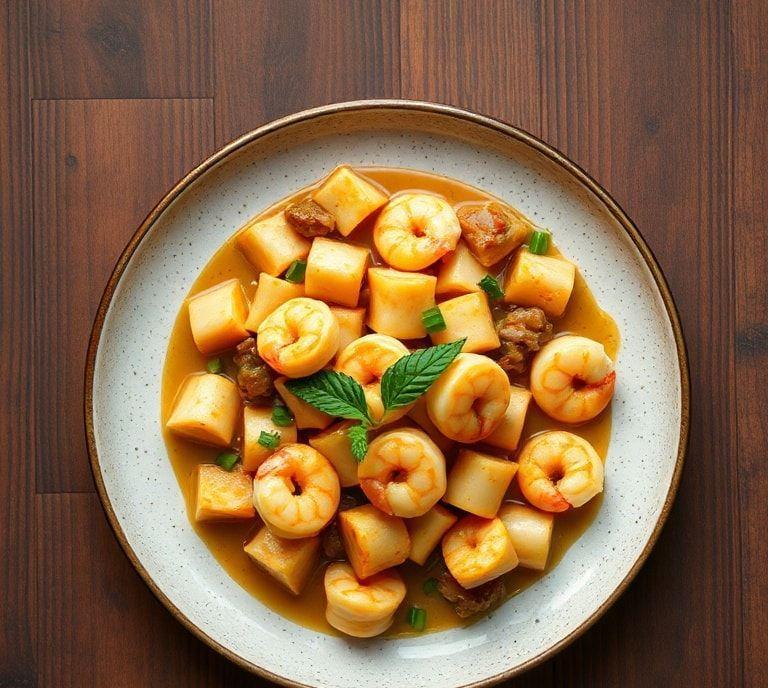
This recipe for vegetarian shrimp is all about balancing the natural flavors of plant-based ingredients with the distinct, savory taste of shrimp. The key to getting the right texture comes from the clever use of konjac flour and other plant-based substitutes. Don’t worry; I’ll break it all down for you step by step. The best part? This vegetarian shrimp works well in a variety of dishes-from stir-fries to tacos to pasta, so you’re never short of options.
Ingredients Needed
Before we dive into the cooking instructions, let’s take a look at what you’ll need for this recipe:
- Konjac flour (or konjac powder) – This is the magic ingredient that gives the vegetarian shrimp its chewy, ’seafood-like’ texture. It’s derived from the root of the konjac plant, a staple in Asian cooking, and it’s the base for many plant-based meat alternatives.
- Tapioca flour – Used to give a bit of flexibility and structure to the vegetarian shrimp.
- Agar-agar – This plant-based gelling agent is key in helping create that firm, shrimp-like consistency. It’s made from seaweed, which gives it a slight oceanic touch (without the actual ocean taste).
- Nutritional yeast – A must for that umami flavor, which helps mimic the savory depth of seafood.
- Seaweed flakes (nori or wakame) – These add a touch of the ocean’s essence and really boost the shrimp flavor.
- Lemon juice – Adds acidity and freshness, which balances the richness of the other ingredients.
- Salt and pepper – Classic seasoning for a reason. You’ll need these to really bring out all the flavors.
- Vegetable broth – For extra flavor and to help bring everything together when mixing.
- Olive oil – For sautéing and to add richness.
Cooking Instructions
Here’s how you bring these ingredients to life:
- Prepare the konjac flour mixture: In a medium-sized bowl, whisk together 1 cup of water and 1 teaspoon of konjac flour until it dissolves. This flour is tricky to work with because it doesn’t dissolve easily, so patience is key here.
- Add the agar-agar: Stir in 1 tablespoon of agar-agar powder into the konjac mixture. Bring the mixture to a boil over medium heat and let it simmer for about 2 minutes, stirring occasionally. You’ll notice it thickening up as it simmers.
- Incorporate the tapioca flour: Now, mix in 1 tablespoon of tapioca flour, followed by a pinch of salt and a good sprinkle of nutritional yeast. Stir until everything is well combined.
- Add seaweed flakes and lemon juice: To make it taste more like shrimp, stir in 2 tablespoons of crumbled nori or wakame flakes and 1 tablespoon of lemon juice.
- Shape the shrimp: This is where you’ll have a bit of fun. Pour the mixture into a small bowl or silicone shrimp molds. Let it cool for 10-15 minutes at room temperature. When it’s cooled and set, it should have a firm, bouncy texture, like shrimp.
- Cook your shrimp: In a frying pan, heat 2 tablespoons of olive oil over medium heat. Carefully add the vegetarian shrimp and sauté for about 5-7 minutes, turning to get golden and crispy on all sides.
- Final seasoning: Before serving, sprinkle a bit of extra salt and pepper. If you want to take it to the next level, you could drizzle some vegan butter on top for an even richer flavor.
Ingredient Science Spotlight
Okay, so why does this weird mix of ingredients work so well to replicate shrimp? The answer lies in how these components play off each other. Let’s break it down:
- Konjac Flour: Konjac root is primarily composed of glucomannan, a fiber that absorbs water and expands into a gel-like consistency when heated. This creates that signature ’bite’ you’re used to with shrimp. Because glucomannan is flavorless, it easily absorbs whatever flavor you mix with it, making it the perfect base for plant-based seafood.
- Agar-Agar: Derived from seaweed, agar-agar is a natural gelling agent that gives this dish its firm texture. When combined with konjac, it helps the mixture hold its shape, making it easier to mold and cook into something that feels like shrimp.
- Seaweed: The seaweed flakes, like nori or wakame, are what lend that subtle, oceany flavor. It’s incredible how just a little bit can transform the taste of a plant-based dish and make it taste much more like the sea. Seaweed also has a natural saltiness, which enhances the umami factor and gives the vegetarian shrimp that “seafood essence”.
Expert Tips
- Texture is key: If you want your vegetarian shrimp to have a firmer, more authentic texture, let the mixture sit longer before molding it. The longer it cools, the more it will set up, giving you that perfect “bite”.
- Add flavor early: The konjac flour mixture is pretty neutral, so make sure to infuse it with flavor from the start. That’s why adding the seaweed and nutritional yeast is so important.
- Play with shapes: Don’t be afraid to experiment with the shape of your vegetarian shrimp. While molds are great, you can also form the mixture by hand into shrimp-like shapes or even round balls for different uses.
- Sautéing: For the best texture, sauté your vegetarian shrimp in hot oil. This will help give it a crispy exterior while maintaining a tender interior.
Recipe Variations
You can tweak this recipe in several ways depending on your flavor preferences or what you have on hand:
- Cajun-style Shrimp: Add some smoked paprika, cayenne pepper, and garlic powder to the mix for a spicy, smoky twist. Serve it on a bed of rice with a side of vegan slaw for a true Southern-style treat.
- Coconut Shrimp: If you’re craving a tropical vibe, coat your vegetarian shrimp in shredded coconut before sautéing. It gives a crunchy exterior that’s perfect for dipping in sweet chili sauce.
- Garlic Butter Shrimp: Melt vegan butter with garlic, parsley, and a squeeze of lemon, then toss your vegetarian shrimp in it for a rich, indulgent experience.
- Shrimp Tacos: Instead of cooking the shrimp on its own, toss it into a taco filling with some pickled onions, shredded cabbage, and a cilantro-lime dressing.
Final Words
This vegetarian shrimp recipe isn’t just about mimicking the real thing. It’s about celebrating the versatility of plant-based ingredients and how they can create something that’s both satisfying and innovative. It’s a chance to explore the world of plant-based eating without feeling like you’re sacrificing flavor or texture.
Whether you’re looking to reduce your carbon footprint, eat more sustainably, or just try something new, vegetarian shrimp is a fun and delicious way to do it. You can easily make this recipe your own, depending on what flavor profile you’re in the mood for. Plus, it’s a conversation starter! I’ve made it for friends who were skeptical at first, and the look on their faces when they realized it wasn’t real shrimp was priceless.
FAQs
What Are Vegetarian Shrimp Made From?
Vegetarian shrimp are typically made from plant-based ingredients designed to mimic the taste, texture, and appearance of traditional shrimp. Common ingredients include konjac (a root vegetable), soy protein, pea protein, or other plant-based substitutes that are seasoned and shaped to resemble shrimp.
Can I Use Vegetarian Shrimp In The Same Way As Regular Shrimp In Recipes?
Yes, vegetarian shrimp can be used in most recipes that call for traditional shrimp. They can be sautéed, grilled, stir-fried, or added to dishes like pastas, tacos, and curries. The main difference is that vegetarian shrimp usually cook faster and require less time to prepare.
How Do I Make My Own Vegetarian Shrimp At Home?
To make vegetarian shrimp at home, you can start with ingredients like konjac flour or soy protein. These ingredients are shaped into shrimp-like forms and seasoned with flavors like garlic, lemon, and seaweed to mimic the taste of real shrimp. A simple recipe might involve blending konjac flour with water to form a dough, shaping it into shrimp, and then seasoning and cooking it in your preferred method.