Dumplings. Just saying the word evokes images of warm, comforting meals shared with family and friends. For me, dumplings are the perfect reminder of how food has a way of bringing people together, no matter where you’re from or what your dietary preferences are. When I think of dumplings, I think of family gatherings, of moments spent around the kitchen table, hands covered in flour, laughing and telling stories.
And when it comes to vegetarian dumplings, the possibilities are endless. They’re the kind of dish that can be completely customizable-whether you want them stuffed with a variety of vegetables, savory fillings, or even tofu and mushrooms. They’re also a fantastic way to incorporate plant-based ingredients while still enjoying all the rich, complex flavors we love about traditional dumplings.
This recipe is one I’ve come to rely on for everything from a quick weeknight dinner to impressing guests. It’s simple, yet flavorful, and perfect for those new to cooking or seasoned pros alike. Let’s dive into how you can recreate that same cozy feeling with your own hands, and bring some joy to the table with this easy vegetarian dumpling recipe.
Easy Vegetarian Dumpling Recipe
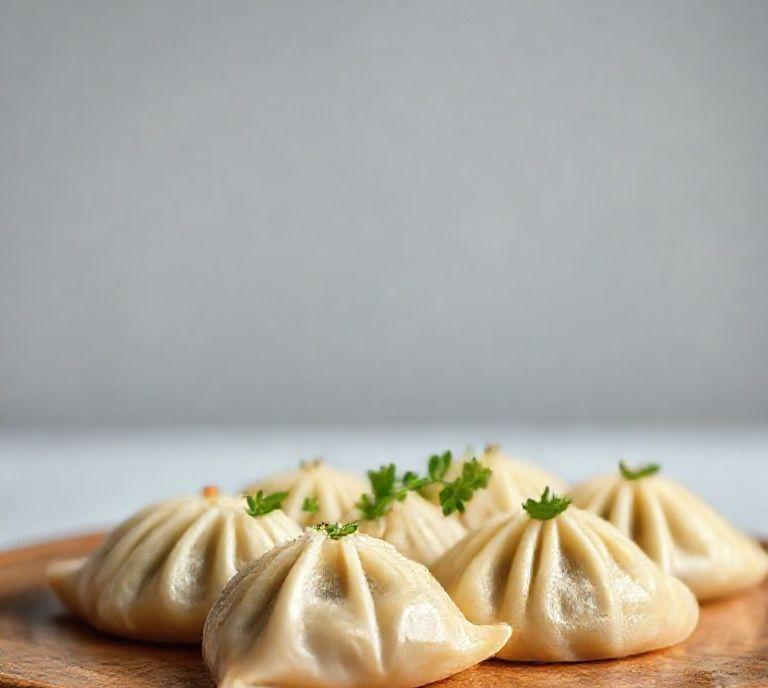
This vegetarian dumpling recipe is one of those that feels so special, yet it’s so simple to put together. No fancy techniques needed here-just fresh ingredients and a little patience as you fold them into beautiful little bundles of flavor. Whether you’re enjoying them steamed or pan-fried, they’re bound to be a hit. So, grab your apron, and let’s get cooking!
Ingredients Needed
The key to a great vegetarian dumpling lies in the ingredients. It’s all about balance-the right mix of savory, sweet, and a bit of umami. Here’s what you’ll need:
- Wonton wrappers – These are your dumpling skins. They’re delicate and thin but still strong enough to hold the filling. You can find them in most grocery stores in the refrigerated or frozen section.
- Cabbage – Cabbage is the perfect base for your dumpling filling. It’s mild in flavor and provides a bit of crunch when cooked. I prefer napa cabbage, but regular cabbage works too.
- Mushrooms – They bring depth of flavor and a meaty texture that’s perfect for vegetarian dishes. Shiitake mushrooms are my personal favorite, but button or cremini mushrooms work just as well.
- Carrots – Shredded carrots add a touch of sweetness and color to the filling, making each bite visually appealing and delicious.
- Tofu – Firm tofu is an essential ingredient for adding some protein to the filling. It absorbs the flavors around it and provides a nice texture.
- Garlic and ginger – These two ingredients are the backbone of so many Asian dishes, offering sharp, fragrant flavor. Fresh garlic and ginger, minced, are a must.
- Soy sauce – For that classic umami flavor. It adds saltiness and a depth of flavor to the filling.
- Sesame oil – Just a little bit of sesame oil goes a long way, providing that distinctive, nutty aroma that makes dumplings irresistible.
- Green onions – For freshness, a bit of crunch, and a little bite.
- Cornstarch – This is for thickening the filling slightly and helping everything bind together.
Cooking Instructions
The process of making vegetarian dumplings is almost meditative for me. It’s one of those recipes that allows you to get lost in the rhythm of chopping, mixing, and folding. Let’s get started!
-
Prepare The Filling
Start by finely chopping your cabbage and mushrooms. I like to salt the cabbage lightly and let it sit for about 10 minutes. This helps to draw out excess moisture, which prevents soggy dumplings. After the cabbage has released some water, squeeze it out with your hands to get rid of any excess liquid. It sounds tedious, but it’s well worth it to ensure your filling isn’t too wet.
Once that’s done, toss your cabbage in a bowl with the finely chopped mushrooms, grated carrots, minced garlic, ginger, and green onions. Then, crumble the tofu into small pieces and add it to the mix. Don’t forget the soy sauce, sesame oil, and a sprinkle of cornstarch. Give everything a good mix until well combined.
-
Assemble The Dumplings
Lay out your wonton wrappers on a clean, dry surface. Spoon about a tablespoon of filling into the center of each wrapper. You don’t want to overstuff them; otherwise, they’ll be difficult to seal.
Moisten the edges of the wrapper with a bit of water (I use my finger for this), then fold the wrapper in half to form a half-moon shape. Pinch the edges tightly to seal, making sure there are no air bubbles trapped inside. You can also fold the edges inwards, pleating them for a more traditional look. If you’re feeling fancy, you can even watch a quick video on how to fold them like a pro, but honestly, they taste just as great whether they’re perfectly pleated or just simple little pockets.
-
Cook The Dumplings
Now comes the fun part-cooking them! There are a few ways to cook dumplings. You can steam them, pan-fry them, or even boil them. I personally love the crispy-bottomed version, so I’ll usually pan-fry them.
Heat a little oil in a skillet over medium heat. Place the dumplings in the pan and let them cook for about 2-3 minutes until the bottoms are golden brown. Then, add a little water to the pan (about ¼ cup), cover, and steam the dumplings for 5-7 minutes, until they’re cooked through.
-
Serve And Enjoy
Once they’re crispy and golden, take them off the heat. I like to serve them with a dipping sauce made from soy sauce, rice vinegar, and a touch of sesame oil. It’s the perfect balance of salty, tangy, and savory.
Ingredient Science Spotlight
Let’s take a quick moment to appreciate the science behind some of these ingredients. It’s not just about throwing things together-there’s a reason certain ingredients work so well in dumplings.
- Cabbage: The cabbage’s natural crunch and mildness are perfect for balancing out the more robust flavors in the filling. But it also plays an important role in texture. When sautéed or steamed, cabbage softens without losing its integrity, creating that perfect bite.
- Tofu: Tofu may seem like a simple ingredient, but it’s packed with protein and provides a solid base for the filling. Its subtle flavor allows the other ingredients to shine while adding an essential texture contrast to the softer vegetables.
- Mushrooms: Mushrooms bring an earthy umami flavor that deepens the taste profile of the dumplings. Their high water content helps keep the filling moist, and their texture can mimic the ’meaty’ qualities of traditional dumplings.
Expert Tips
- Don’t Overstuff: The key to a perfectly sealed dumpling is not overstuffing. Too much filling can make it hard to seal the edges properly, and you might end up with a soggy mess.
- Work Quickly: Dumpling wrappers dry out fast. Once you’ve set them out, keep them covered with a damp cloth to prevent them from cracking while you assemble them.
- Don’t Skip the Squeeze: The cabbage should be squeezed to get rid of excess water. If you don’t, your filling could be too wet, which will make it harder to seal and cook properly.
- Freezing Dumplings: If you’ve made a batch and want to save some for later, freezing dumplings is a great option. Place them on a baking sheet in a single layer and freeze until solid. Then, transfer them to a freezer bag. When you’re ready to cook them, you can steam or pan-fry straight from the freezer.
Recipe Variations
Feel free to get creative with this recipe. Here are a few variations that can give your vegetarian dumplings a new twist:
- Spicy Dumplings: Add a little chili paste or fresh chopped chilies to the filling for a spicy kick.
- Add Greens: Spinach or kale can be used in place of cabbage, giving the dumplings a slightly different flavor.
- Miso: For added depth, try mixing in a spoonful of white miso paste to the filling.
- Sesame Seeds: Sprinkle sesame seeds on the dumplings before frying for a little extra crunch and flavor.
Final Words
Dumplings are one of those dishes that offer so much room for experimentation. I’ve made them countless times, and each time, I find myself getting a little more creative with the fillings and cooking methods. There’s something about the act of folding them together and watching them cook that feels both nostalgic and new.
Whether you’re new to making dumplings or a seasoned pro, this vegetarian version is a great starting point for discovering just how easy it can be to make something so delicious from scratch. I hope you find joy in these dumplings, as I have. So, gather your ingredients, invite your friends or family into the kitchen, and share the love with every little bite.
FAQs
What Ingredients Are Needed For An Easy Vegetarian Dumpling Recipe?
To make easy vegetarian dumplings, you’ll need the following ingredients: dumpling wrappers (store-bought or homemade), cabbage (or any preferred leafy green like spinach or bok choy), mushrooms (shiitake or button), carrots, garlic, ginger, soy sauce, sesame oil, and optional tofu or tempeh for added protein. You can also include green onions and other seasonings like salt and pepper for flavor.
How Do I Prepare The Filling For Vegetarian Dumplings?
To prepare the filling, start by finely chopping the vegetables (cabbage, mushrooms, carrots, etc.) and sautéing them in a pan with a bit of sesame oil. Cook the mixture until it’s soft and the water from the vegetables evaporates. Then, add minced garlic, grated ginger, soy sauce, and seasonings like salt, pepper, or even a little sugar for balance. If using tofu, crumble it into the mixture and stir to combine. Allow the filling to cool before using it to fill the dumpling wrappers.
What Are The Different Cooking Methods For Vegetarian Dumplings?
Vegetarian dumplings can be cooked in several ways, depending on preference. The most common methods are: 1) Steaming: Place dumplings in a steamer basket and steam for about 10-15 minutes until the wrappers are translucent. 2) Boiling: Bring a pot of water to a boil, drop in the dumplings, and cook for 5-7 minutes, or until they float. 3) Pan-frying: Heat a little oil in a pan, arrange the dumplings, and cook until the bottoms are crispy. Then, add a small amount of water, cover, and steam for a few minutes to cook the rest of the dumpling.