Gumbo is one of those dishes that feels like it holds a thousand stories. Growing up in Louisiana, it wasn’t just a meal-it was a cultural experience, a family tradition, and sometimes, even a small, hearty celebration. My grandmother’s gumbo pot was always simmering on the stove, filling the house with that rich, soulful aroma that could stop a conversation in its tracks. No matter where I went, there was something magical about how gumbo could pull people together-friends, neighbors, and even strangers, all gathered around a table filled with steaming bowls of this comforting dish.
But what if you’re not a fan of meat or seafood, yet still want to enjoy that same flavorful, warm bowl of gumbo? Enter the vegetarian version. Trust me, it’s just as soul-satisfying. You still get that deep, smoky flavor, the richness of the broth, and all those cozy textures-but without the animal-based ingredients. Over the years, I’ve tweaked my recipe to make it as hearty and flavorful as the original, while keeping it entirely plant-based. Here’s my take on a vegetarian gumbo recipe that won’t leave you missing the meat!
Gumbo Vegetarian Recipe
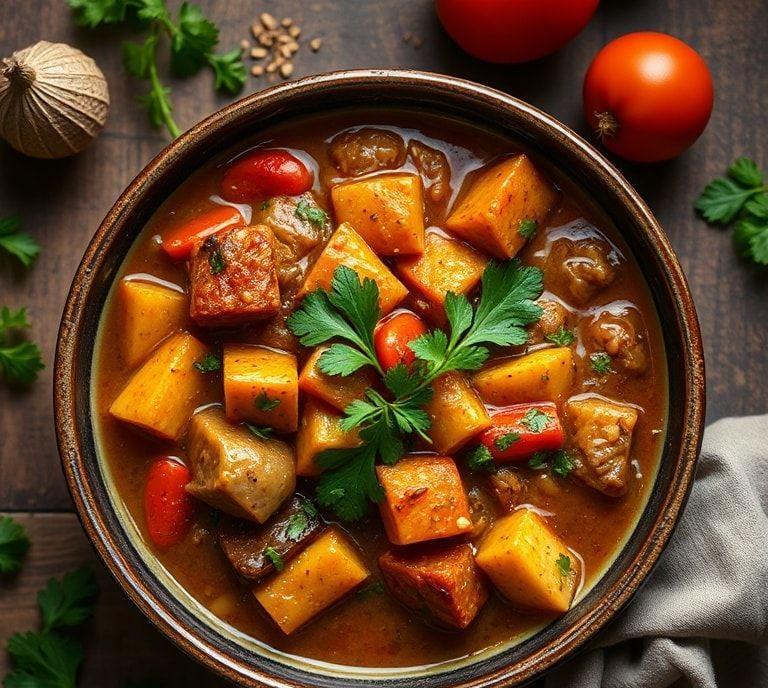
This vegetarian gumbo is a celebration of vegetables, spices, and textures. It’s about creating layers of flavor that mimic the depth of a traditional gumbo but with fresh, seasonal ingredients. The beauty of this dish is in the simplicity of its ingredients-something my grandmother always swore by: if you take care with the basics, the rest falls into place. The key lies in making a rich, flavorful roux and not skimping on the seasoning.
Ingredients Needed
- Olive oil (or your favorite vegetable oil) – for the roux
- Flour – the building block of your roux, which will thicken the gumbo and add depth.
- Onions – for that essential savory base.
- Green bell pepper – adds a nice sweetness and crunch.
- Celery – a must-have in Cajun and Creole cooking, it gives that earthy, herbal flavor.
- Garlic – to make everything aromatic.
- Tomatoes – diced, they bring a subtle acidity that balances the richness of the roux.
- Vegetable broth – the heart of the gumbo, so choose a rich, flavorful stock.
- Okra – for both texture and a touch of Southern authenticity.
- Frozen corn kernels – optional, but I love the burst of sweetness they bring.
- Bay leaves – they infuse the broth with a subtle, earthy note.
- Thyme – fresh or dried, it adds a herby complexity.
- Smoked paprika – this gives the gumbo that signature smoky flavor without needing meat.
- Cayenne pepper – just a dash for heat, adjust to taste.
- Salt and black pepper – to taste.
- Rice – for serving (always serve gumbo with rice; it’s a non-negotiable in my book).
- Fresh parsley or green onions – for garnish, adding freshness and color.
Cooking Instructions
-
Start With The Roux
In a large pot or Dutch oven, heat about 1/4 cup of oil over medium heat. Slowly add in 1/4 cup of flour, stirring constantly. You’re looking for a rich, dark brown roux, which should take about 10-15 minutes. Be patient-this is where a lot of the flavor comes from, and it can go from perfect to burnt in seconds, so don’t step away!
-
Sauté The Veggies
Once your roux is ready, add the diced onions, green bell pepper, and celery (the holy trinity of Cajun cooking). Sauté for about 5-7 minutes until the vegetables soften and release their flavors. Add the garlic and sauté for another minute until fragrant.
-
Add The Tomatoes And Seasonings
Stir in the diced tomatoes, bay leaves, thyme, smoked paprika, cayenne pepper, salt, and black pepper. This is where the gumbo starts to take shape-let the spices bloom as they cook with the vegetables for a couple of minutes.
-
Simmer The Gumbo
Pour in your vegetable broth and bring the mixture to a simmer. Add the okra and corn (if using), and let everything cook together for about 20 minutes. The okra will release its natural gelatin, helping to thicken the broth. This is also a good time to taste and adjust the seasoning, adding more salt, pepper, or cayenne depending on your preferences.
-
Finish The Dish
Once everything is tender and the broth has thickened to your liking, remove the gumbo from the heat. Discard the bay leaves, and get ready to serve.
-
Serve With Rice
Ladle the gumbo over a scoop of fluffy rice in individual bowls. Garnish with fresh parsley or green onions. If you like it spicy, a dash of hot sauce wouldn’t hurt.
Ingredient Science Spotlight
One of the things I’ve always loved about gumbo is the way each ingredient plays a role in the overall flavor profile. For instance, the roux is more than just a thickening agent-it’s the foundation of the flavor. The oil and flour interact at the molecular level to create a deep, nutty taste that adds umami. A well-made roux can take a dish from good to great.
The okra serves two purposes in gumbo: it thickens the soup while adding a unique texture. Okra contains soluble fiber (mucilage), which naturally thickens liquids when it cooks, creating a silky broth. If you’ve ever wondered about the sliminess of okra, that’s exactly why-it’s doing its job of binding the broth together.
Finally, smoked paprika is one of those ingredients that gives gumbo its signature depth. It adds a smokiness without needing meat, which is crucial in vegetarian versions. The smoked compounds in paprika mimic the slow-cooked, smoky flavors that would come from sausage or shrimp in a traditional gumbo.
Expert Tips
- Don’t rush the roux: The roux is the heart of gumbo. If you rush it, you’ll miss out on that beautiful depth of flavor. Aim for a deep brown, but not burnt, color.
- Season in layers: Add spices gradually as you build the flavor. Taste along the way and make sure you adjust the heat and seasoning to your liking.
- Okra lovers, rejoice: Okra can be a polarizing ingredient. If you’re not fond of its texture, you can skip it or use a little less. Some people even sauté it first to reduce its sliminess.
- Make ahead: Gumbo often tastes even better the next day as the flavors have more time to meld. Consider making a big batch and enjoying it over the course of a few days.
- Rice is key: Serve your gumbo with a hearty, long-grain rice like jasmine or basmati. It helps soak up the flavorful broth and adds a nice contrast to the dish’s richness.
Recipe Variations
- Add leafy greens: Kale, collard greens, or spinach can be added for extra nutrition and a bit of bitterness to balance the rich flavors.
- Swap the okra for zucchini: If you can’t find okra or just don’t like it, zucchini makes a great alternative. It won’t thicken the gumbo the same way, but it will add a nice texture and flavor.
- Spicy twist: Add a finely chopped jalapeño or two for some extra heat if you’re a fan of spice. Just be careful to balance it with the other seasonings.
- Beans or lentils: For more protein, throw in a can of beans (like kidney or black beans) or some cooked lentils to make it even heartier.
Final Words
There’s something magical about gumbo-it’s a dish that carries generations of tradition and history in every bite. For me, it’s always been a symbol of togetherness, a reminder of family dinners that stretched long into the evening. This vegetarian version doesn’t skimp on that tradition. It’s just as comforting, just as full of flavor, and just as capable of pulling people together for a memorable meal. Whether you’re a lifelong gumbo lover or a newcomer to this classic dish, I hope you find something familiar-and something new-in this version.
FAQs
What Are The Key Ingredients For A Vegetarian Gumbo?
A vegetarian gumbo typically includes a base of vegetables like bell peppers, onions, celery, and garlic, along with okra, tomatoes, and vegetable stock. Spices like thyme, bay leaves, paprika, and cayenne pepper add depth and heat to the dish. To thicken the gumbo, a roux made from flour and oil is used. You can also include plant-based protein sources such as tofu, tempeh, or beans for added texture and flavor.
Can I Make Gumbo Vegetarian Without Compromising On Flavor?
Yes, you can! The key to a flavorful vegetarian gumbo is using a well-seasoned roux, and making sure to incorporate ingredients like smoked paprika, bay leaves, thyme, and a combination of fresh vegetables to bring out rich, savory flavors. You can also add a dash of liquid smoke or a few dashes of hot sauce to give the dish a deeper umami flavor. Using a high-quality vegetable broth enhances the overall taste.
Can I Substitute The Okra In A Vegetarian Gumbo Recipe?
Yes, while okra is a traditional ingredient in gumbo for its ability to thicken the dish and add a unique texture, you can substitute it with other vegetables like zucchini or eggplant. If you’re seeking a similar thickening effect, you can use a cornstarch slurry or pureed vegetables like cauliflower. Keep in mind that while the texture might change, the overall flavor of the gumbo will still be delicious.