There’s something undeniably satisfying about a good stir-fry. It’s the perfect balance of flavors, textures, and colors all thrown together in a sizzling pan. For me, stir-frying is a bit of a nostalgic thing. I remember, years ago, when I first learned how to make stir-fry from a friend who grew up in a small village in Thailand. She taught me that stir-frying wasn’t just about throwing vegetables into a hot pan-it was about finding the rhythm of the ingredients, balancing the heat with the right seasonings, and understanding the alchemy of high heat and quick cooking. Since then, I’ve made all sorts of variations, but there’s something about vegetarian stir-fry noodles that really sticks with me. It’s simple, flexible, and can be adjusted to fit just about any dietary preference.
If you’ve ever felt the pull of comfort food, but wanted something light yet satisfying, a vegetarian stir-fry with noodles might be the answer you’re looking for. It’s the type of dish that feels like a hug in a bowl-comforting yet fresh, with that satisfying crunch from crisp veggies and the hearty goodness of noodles. The best part? It’s incredibly customizable, so it’s easy to make it your own based on what you’ve got in the fridge or what you’re craving.
Vegetarian Stir-fry Noodles Recipe
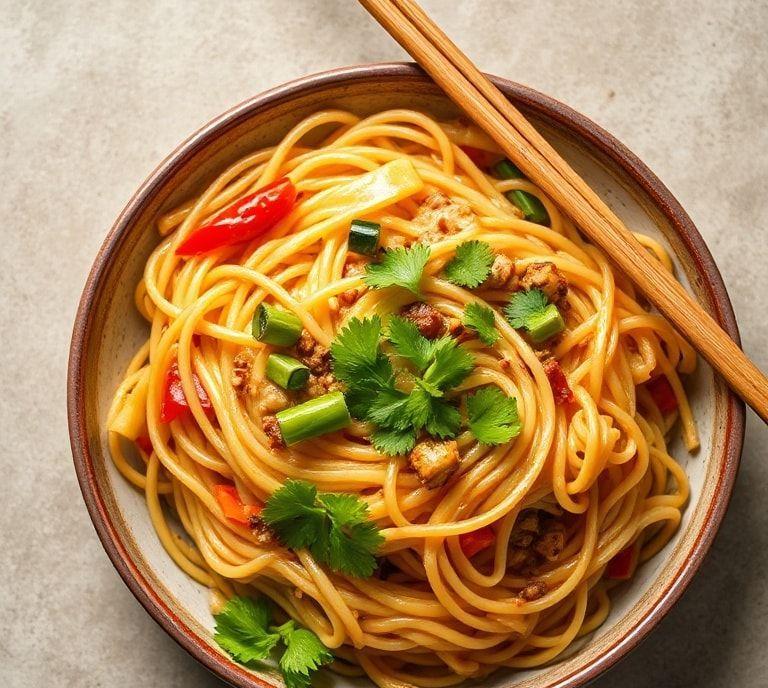
Let’s dive into the recipe itself. The beauty of stir-fry noodles is how fast they come together. This vegetarian version is packed with flavor, thanks to a blend of soy sauce, garlic, and fresh veggies. You can tweak it to suit your taste or dietary restrictions, whether you’re gluten-free, vegan, or just looking for a lighter meal.
The noodles? They’re the heart of this dish. Soft, chewy, and able to soak up all that wonderful sauce. The vegetables provide a rainbow of color and nutrition, from crunchy bell peppers to earthy mushrooms, all adding their own unique touch to the dish. And if you’re like me and love garlic, it’ll be your go-to for the ultimate flavor boost.
Ingredients Needed
Before you get started, here’s what you’ll need to gather. These are the ingredients that come together to create a mouthwatering vegetarian stir-fry noodles dish.
Vegetables
- Bell peppers – Choose any color you like (red, yellow, or green). Each has its own unique flavor, but all will add a sweet, crunchy texture.
- Carrots – They add a nice balance of sweetness and crunch to the stir-fry.
- Snap peas – Crisp, slightly sweet, and perfect for a quick stir-fry.
- Mushrooms – For that earthy depth of flavor. I typically go for shiitakes or button mushrooms, but any type will do.
- Green onions – These add a fresh bite and a touch of sharpness that balances the richness of the soy sauce.
Noodles
- Rice noodles or soba noodles – Either of these will work beautifully, depending on your preference. I love rice noodles for their delicate texture, but soba noodles add a slightly nutty flavor that pairs well with stir-fry.
Seasonings
- Soy sauce – A good soy sauce is the foundation of any stir-fry. You can go with light soy sauce for a more delicate flavor, or dark soy sauce for something with a deeper, richer taste.
- Garlic – Fresh garlic is a must. It’s the base for so many stir-fry sauces and gives the dish a fragrant, savory kick.
- Ginger – Fresh ginger adds a zingy, almost citrus-like spice to the stir-fry.
- Sesame oil – For that toasted nutty aroma. A little goes a long way here.
- Rice vinegar – This helps balance out the richness of the soy sauce and sesame oil with a touch of acidity.
- Chili flakes (optional) – If you like a little heat, chili flakes bring the perfect spice to the dish. I tend to sprinkle them in as I cook but you can always adjust this based on how much heat you prefer.
Garnishes
- Sesame seeds – For a nice crunchy texture and added flavor.
- Fresh cilantro – A pop of freshness that pairs wonderfully with the savory stir-fry flavors.
Cooking Instructions
Now, the fun part-cooking! Stir-fry is one of those dishes that feels more like an art than science, but follow these steps, and you’ll have a perfectly cooked dish every time.
- Prep your ingredients: This is key. Stir-fries cook quickly, so having everything ready before you start is essential. Slice your veggies, chop your garlic and ginger, and have your noodles cooked and drained.
- Heat your pan: Use a large wok or a deep frying pan. Heat it over medium-high heat until it’s nice and hot-this is where the magic happens. Add a small drizzle of sesame oil to coat the pan.
- Sauté garlic and ginger: Once the oil is heated, add the garlic and ginger. Stir them around for about 30 seconds, just until they become fragrant. You don’t want them to burn, so keep an eye on them.
- Add the vegetables: Start with the vegetables that take the longest to cook, like carrots and bell peppers, and then add the mushrooms and snap peas. Stir-fry for about 3-4 minutes, just until they’re tender but still vibrant and crisp. You want them to have a bit of bite to them.
- Toss in the noodles: Add your cooked noodles to the pan. If you’re using rice noodles, make sure they’ve been drained and rinsed under cold water to prevent them from sticking. Toss everything together for about a minute.
- Season: Pour in your soy sauce and rice vinegar, and give everything a good stir. If you like it spicier, now’s the time to add chili flakes. Let it cook for another 2 minutes to let the flavors meld together.
- Garnish and serve: Once everything’s coated in that lovely sauce, remove the stir-fry from the heat. Sprinkle with sesame seeds and fresh cilantro before serving.
Ingredient Science Spotlight
Stir-frying is more than just about the flavors; there’s a bit of science that happens behind the scenes, especially with the ingredients used. Take soy sauce, for example. The fermentation process it undergoes not only gives it that deep umami flavor but also helps bring out the natural sweetness in vegetables. The addition of sesame oil isn’t just for flavor; it’s rich in healthy fats that add texture and bring the entire dish together.
Ginger and garlic are powerhouses in stir-fry dishes. Ginger contains compounds that stimulate digestion, and its zesty flavor works with garlic’s allicin, which is known for its antibacterial properties. Together, they create a dynamic flavor duo that’s as good for your body as it is for your taste buds.
The vegetables are also key players here. Carrots, bell peppers, and snap peas all retain a surprising amount of their nutritional value when stir-fried because of the short cooking time. They’re packed with antioxidants, fiber, and vitamins, and stir-frying them in a little oil helps your body absorb fat-soluble nutrients, like Vitamin A from the carrots.
Expert Tips
- Don’t overcrowd the pan: The beauty of stir-fry is that it cooks quickly and evenly. If you overload the pan, everything steams instead of frying, and you lose that lovely crispy texture. If you’re making a larger batch, cook in batches.
- Use high heat: Stir-frying is all about high heat. It ensures that everything cooks quickly, locking in the flavor and texture of the ingredients. Make sure your pan is nice and hot before adding anything.
- Let the sauce thicken: If your sauce feels too thin, let it cook for an extra minute to reduce and thicken up. The sauce should cling to the noodles and vegetables without being overly runny.
- Noodles first: Make sure your noodles are cooked ahead of time. Stir-frying noodles that are still wet will make them clump together. Keep them separate and dry before adding them to the pan.
Recipe Variations
This stir-fry noodle recipe is endlessly customizable. You can switch out the vegetables depending on what’s in season or what’s in your fridge. Swap the bell peppers for zucchini or add baby corn for a little crunch. You can even add tofu or tempeh for some plant-based protein.
For those who prefer a bit of sweetness in their stir-fry, you could drizzle in some hoisin sauce or a spoonful of peanut butter for a creamy texture. You could also add a handful of spinach or kale for some extra greens.
If you’re not a fan of soy sauce, you can easily use tamari for a gluten-free version or coconut aminos for a lighter, slightly sweeter alternative.
Final Words
Vegetarian stir-fry noodles have a way of making any weeknight meal feel special. They’re quick, easy, and endlessly adaptable to whatever ingredients you have on hand. Whether you’re cooking for yourself or for a group, this dish is guaranteed to satisfy, and it’s healthy to boot. Plus, there’s something about the aroma of garlic and ginger sizzling away in the pan that makes everything feel a little more comforting.
FAQs
What Vegetables Work Best In A Vegetarian Stir-fry Noodles Recipe?
The best vegetables for a vegetarian stir-fry noodles recipe are those that cook quickly and retain some crunch. Common choices include bell peppers, carrots, broccoli, snow peas, mushrooms, baby corn, and bok choy. You can also add leafy greens like spinach or kale toward the end of cooking for added nutrients and color.
Which Type Of Noodles Should I Use For Vegetarian Stir-fry?
Several types of noodles work well for vegetarian stir-fry, depending on the texture and flavor you prefer. Common options include rice noodles, egg noodles, udon, soba, and lo mein noodles. For a gluten-free option, rice noodles or rice vermicelli are ideal. It’s important to cook the noodles according to package instructions and drain them well to prevent them from becoming mushy in the stir-fry.
How Can I Make My Vegetarian Stir-fry Noodles More Flavorful?
To enhance the flavor of vegetarian stir-fry noodles, use a combination of sauces and aromatics. Common ingredients include soy sauce, hoisin sauce, sesame oil, garlic, ginger, and chili flakes or sauce for heat. Adding a splash of rice vinegar or lime juice can brighten the flavors. Toasted sesame seeds or chopped fresh herbs like cilantro or green onions make excellent finishing touches.