I’ve always believed that food is more than just sustenance-it’s a way to connect with the people around us, to share stories, and to create memories. One of the most powerful ways to elevate a meal is with the right sauce, and if you’ve ever tried a rich, savory vegetarian jus, you know exactly what I mean. Jus is that magical finishing touch that brings depth, warmth, and complexity to dishes that need just a little extra something. Whether you’re drizzling it over roasted vegetables, spooning it over grains, or using it as a base for a vegetable stew, a well-made vegetarian jus can turn the simplest dish into something truly memorable.
This isn’t just about throwing ingredients together-it’s about carefully crafting something that ties all the flavors on your plate together. I’ll take you step by step through the process, breaking down the ingredients, the science, and the little tricks that will help you make this jus feel like it came from a high-end kitchen.
Vegetarian Jus Recipe
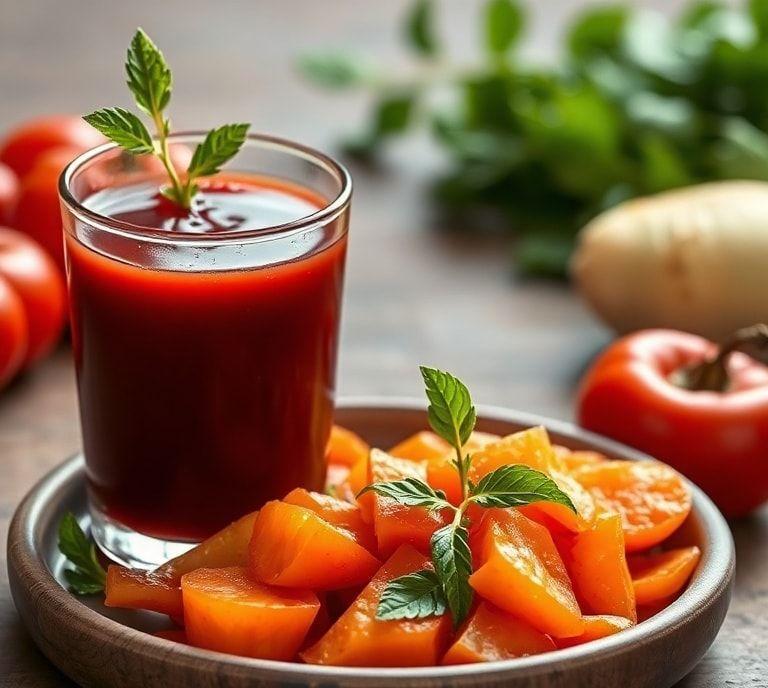
If you’re looking for a rich, umami-packed vegetarian jus that mimics the depth and complexity of a classic meat-based sauce, you’re in for a treat. This recipe is simple, but each ingredient is designed to build upon the last to create a smooth, flavorful jus that has just the right balance of savory, salty, and slightly sweet notes. The key is slow cooking everything to coax out the deepest flavors, and a little patience goes a long way.
Ingredients Needed
For this vegetarian jus, you’ll need the following ingredients:
- Olive Oil (or Plant-Based Butter) – This is your fat base. A little goes a long way in helping the vegetables caramelize and release their flavors.
- Shallots – They bring a delicate sweetness and depth to the jus without overpowering the other flavors.
- Carrots – A classic in any vegetable stock or jus. They contribute a subtle sweetness and richness.
- Celery – Adds earthiness and balance to the flavor profile.
- Garlic – Because, well, garlic makes everything better, right? It adds a savory punch and a little bit of warmth.
- Tomato Paste – This gives the jus its depth and rich umami undertones. It’s the secret ingredient to making this jus feel truly luxurious.
- Fresh Thyme & Bay Leaves – Herbs like thyme and bay leaves infuse the jus with aromatic flavor, creating layers that make every spoonful interesting.
- Vegetable Broth (Low Sodium) – The base of your jus. Choose a good quality broth, as it’s the foundation of the entire dish.
- Red Wine or Balsamic Vinegar – To deglaze the pan and add an acidic note that helps to balance the richness of the vegetables.
- Soy Sauce or Tamari – Adds an extra layer of umami, mimicking the deep flavors of a traditional meat jus.
- Salt & Pepper – For seasoning, of course, but make sure to taste as you go. The seasoning is critical here.
- Cornstarch or Arrowroot Powder (optional) – If you like a thicker jus, this is optional. It’s great for giving your jus a luxurious mouthfeel without the need for animal fats.
Cooking Instructions
-
Prepare Your Vegetables
Start by peeling and chopping the shallots, carrots, and celery into roughly the same size pieces. There’s no need to be precise-just aim for even sizes to help everything cook at the same rate.
-
Sauté The Veggies
In a large saucepan or skillet, heat a tablespoon of olive oil over medium heat. Add your chopped shallots, carrots, and celery. Sauté them until they start to soften and brown, which will take about 10-12 minutes. Don’t rush this step. The caramelization of these vegetables is where all the flavor starts to develop. It’s about coaxing out those sugars and flavors slowly.
-
Add The Garlic & Tomato Paste
Once the vegetables are browned and softened, add your minced garlic and cook for another 1-2 minutes until fragrant. Then, stir in the tomato paste and cook it down for a few minutes. This step intensifies the flavors, so give it the time it deserves.
-
Deglaze With Red Wine Or Balsamic Vinegar
Pour in the red wine or balsamic vinegar to deglaze the pan. Scrape up any bits stuck to the bottom-they are pure flavor. Let it simmer for 3-4 minutes, so the acidity reduces and melds into the vegetables.
-
Add The Broth & Herbs
Pour in the vegetable broth and toss in your thyme and bay leaves. Bring the mixture to a simmer and cook uncovered for about 30-40 minutes, allowing the flavors to meld and the liquid to reduce by half. Stir occasionally and taste along the way. You might want to add a pinch of salt or pepper, depending on how the flavors are developing.
-
Strain & Thicken (Optional)
After the jus has reduced and developed a deep, rich flavor, strain the mixture through a fine-mesh sieve into a clean bowl or saucepan. Discard the vegetables and herbs. If you prefer a thicker jus, dissolve a teaspoon of cornstarch or arrowroot powder in a little water and stir it into the strained jus. Simmer for another few minutes until it thickens.
-
Serve
Taste your jus one last time and adjust the seasoning with salt and pepper. Drizzle it over roasted vegetables, mashed potatoes, or even a bowl of rice. It’s a versatile addition to so many dishes!
Ingredient Science Spotlight
It’s always fun to dive a little deeper into why certain ingredients in this recipe do what they do. Take the tomato paste, for instance-this concentrated ingredient is a powerhouse. It’s packed with glutamates, which are natural compounds that amplify savory, umami flavors. When you cook it down, those glutamates transform into a deeper, more intense flavor. Similarly, soy sauce or tamari brings another layer of umami, mimicking the complexity of a traditional meat jus.
Then, there’s the role of red wine or balsamic vinegar. This acid balances the richness of the other ingredients. When you cook wine or vinegar, the acidity breaks down the deep flavors in the vegetables, helping them harmonize into something greater than the sum of their parts. That’s why it’s so essential to deglaze the pan and let it reduce-it makes a huge difference in the flavor profile.
Expert Tips
- Patience is Key: The longer you let the jus simmer, the more intense the flavors become. Resist the urge to rush through the process-good things take time, and that’s what will make your jus truly shine.
- Keep It Low and Slow: The heat should be low enough that the jus simmers gently. If it boils too aggressively, you risk over-reducing it or losing delicate flavors. A slow simmer allows for even cooking and perfect flavor development.
- Herb Sachet: If you don’t want to strain your jus at the end, consider tying your thyme and bay leaves in a small piece of cheesecloth or a tea infuser. This makes for easy removal later.
- Adjust Consistency: If your jus ends up too thin, you can always reduce it further or thicken it with a slurry of cornstarch and water. On the other hand, if it’s too thick, just add a splash more broth to loosen it up.
Recipe Variations
- Mushroom Jus: For an even earthier flavor, sauté some mushrooms with the onions and carrots. They’ll add an extra layer of umami and richness.
- Smoky Twist: Add a pinch of smoked paprika or a dash of liquid smoke to create a smoky vegetarian jus that pairs beautifully with roasted root vegetables or grilled tofu.
- Citrus Infusion: If you want to add a fresh twist, a squeeze of lemon or orange juice right before serving can brighten up the richness of the jus and add a zing of acidity.
Final Words
Vegetarian jus is one of those unsung heroes of the kitchen-something that, when done right, can elevate an entire meal. It’s a reminder that even without meat, you can coax out incredible depth of flavor. Whether you’re a seasoned home cook or just starting, this recipe is an easy, but rewarding, way to dive into the world of sauces.
FAQs
What Is Vegetarian Jus And How Is It Different From Regular Jus?
Vegetarian jus is a plant-based sauce or gravy made from vegetables, herbs, and spices, often used as a substitute for traditional meat-based jus. The main difference is that vegetarian jus is free from animal products, relying on ingredients like mushrooms, onions, carrots, and stock made from vegetable or mushroom bases. It provides a rich, umami flavor similar to its meat counterparts but without the use of animal products.
What Vegetables Are Best For Making Vegetarian Jus?
Common vegetables used in vegetarian jus recipes include onions, carrots, celery, garlic, and mushrooms (especially shiitake or cremini for a deeper umami flavor). These vegetables are typically roasted or sautéed to enhance their natural sweetness and depth. Additional ingredients like leeks, parsnips, and tomatoes can also be used depending on the desired flavor profile.
How Can I Thicken A Vegetarian Jus Without Using Flour Or Cornstarch?
There are several ways to thicken a vegetarian jus without using flour or cornstarch. One method is to reduce the liquid by simmering it over low heat until it thickens naturally. Alternatively, you can blend some of the vegetables used in the jus to create a thicker, more velvety texture. Adding a small amount of puréed beans or lentils can also provide a natural, plant-based thickening effect.