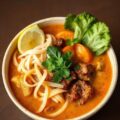
I’ve always thought of food as a kind of storytelling – every dish has a history, a character, a place. Feijoada, the iconic Brazilian stew, is one of those stories that’s both rich and hearty, perfect for sharing with friends or family. Traditionally made with pork, sausage, and beans, it’s a dish that reflects the soul of Brazil, a melting pot of cultural influences over centuries. The beauty of food, though, is how flexible it can be. You don’t have to stick to the traditional route to enjoy something hearty and soulful. That’s where a vegetarian version of feijoada comes in.
It’s not just about skipping the meat; it’s about crafting a dish that brings out the same depth of flavor, warmth, and comfort. When I first decided to experiment with a vegetarian feijoada, I thought it might feel like an incomplete version of the classic. But what I found was that the plant-based version can be just as satisfying-maybe even more so in some ways. And that’s what I want to share with you: a recipe that’s bold, delicious, and perfect for anyone who’s looking to enjoy a comforting stew, without the meat.
Feijoada Vegetarian Recipe
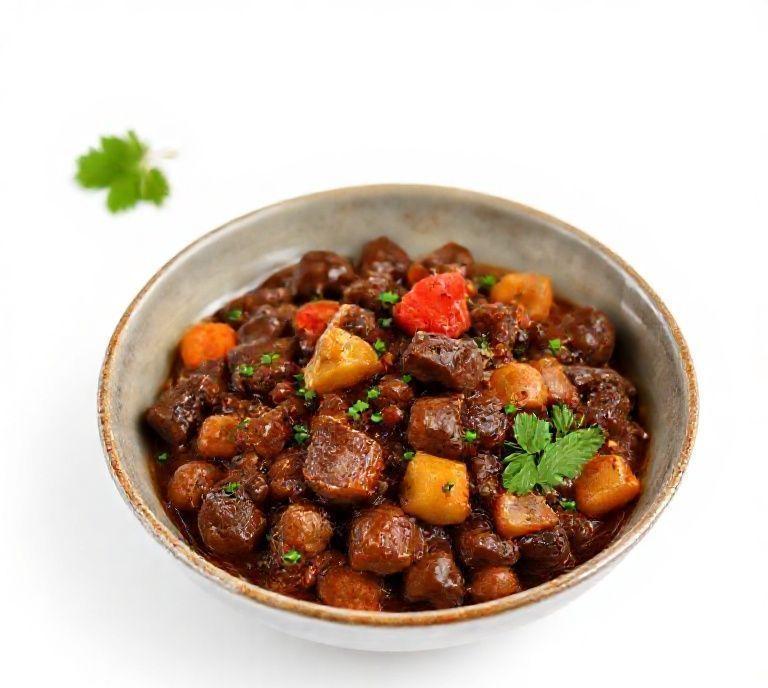
Feijoada, at its heart, is all about balance – the smokiness of the meats, the creaminess of the beans, and the richness of the seasonings. Recreating that without the animal products takes a little creativity, but it’s all about using ingredients that can provide similar depth. I swapped in plant-based proteins, added some vegetables, and kept the smoky, hearty essence that defines the dish. Here’s how I approached the vegetarian version:
Ingredients Needed
To make a fantastic vegetarian feijoada, you’ll need a few essentials that are easy to find and pack in all the flavor. Here’s what you’ll need:
- Black Beans (2 cups dried or 4 cups cooked): The star of the show. Black beans are the foundation of feijoada, and they’re what give the dish its rich texture and earthy flavor.
- Vegetable Broth (4 cups): For that savory, comforting base. It’s best to use a low-sodium option, so you can control the seasoning later.
- Smoked Paprika (1 tablespoon): This is key for achieving the smoky flavor that traditional feijoada gets from pork.
- Liquid Smoke (1/2 teaspoon, optional): If you can’t find smoked paprika, or if you just want to ramp up the smokiness, a few drops of liquid smoke can do wonders.
- Tofu or Tempeh (1 block, cubed): Both are excellent protein options. I tend to lean towards tempeh for its firmer texture and nutty flavor, but tofu works great too, absorbing all the flavors around it.
- Carrots (2, chopped): These provide a little sweetness and help balance the beans’ earthiness.
- Bell Peppers (1 red and 1 yellow, chopped): Adds a burst of color and sweetness.
- Onion (1 large, chopped): A must for any savory dish.
- Garlic (4 cloves, minced): The more garlic, the better.
- Bay Leaves (2-3): For that herbaceous depth.
- Cilantro (a handful, chopped): It’s not authentic without a little fresh cilantro sprinkled on top.
- Lime (1, cut into wedges): For serving. The fresh acidity brightens up the rich stew.
- Salt and Pepper: To taste. Don’t be shy with the seasoning – you want all the flavors to pop.
Cooking Instructions
Cooking this vegetarian feijoada is like a slow journey where all the ingredients get to know each other in the pot. Here’s how to bring it all together:
- Prepare the Beans: If you’re using dried beans, soak them overnight in water. The next day, drain and rinse them before cooking. Add them to a large pot with the vegetable broth and bay leaves, and simmer over medium heat for about 45 minutes until the beans are tender. If you’re using canned beans, just rinse them and set them aside for later.
- Sauté the Veggies: While the beans are cooking, heat a tablespoon of oil in a large pan over medium heat. Add the onion, carrots, and bell peppers. Sauté for about 5-7 minutes, until they soften and start to get a little color.
- Add the Garlic and Tofu/Tempeh: Toss in the garlic and cook for another minute, then add your cubed tofu or tempeh. Let it brown slightly on all sides, allowing it to absorb the savory flavors from the pan.
- Season: Stir in the smoked paprika, salt, pepper, and liquid smoke (if using). This is where the magic starts to happen. The seasonings should coat everything nicely and start to make the kitchen smell amazing.
- Combine Everything: Add the sautéed vegetables and tofu/tempeh to the pot of beans. Let everything simmer together for at least 30 minutes. This allows all the flavors to meld, and it gives the dish that deep, comforting taste that feijoada is known for.
- Taste and Adjust: Give it a taste at the end of cooking. If you want a more intense smoky flavor, add a little more paprika or liquid smoke. Adjust the salt and pepper as needed. If the stew is too thick, you can add more vegetable broth to reach your desired consistency.
- Serve: Ladle the feijoada into bowls, sprinkle with fresh cilantro, and serve with lime wedges on the side.
Ingredient Science Spotlight
Let’s talk about the beans for a second. Black beans, the heart of feijoada, are an amazing source of plant-based protein and fiber. They’re also packed with antioxidants, which are crucial for keeping inflammation down and supporting overall health. But what really makes them work in feijoada is their texture. They hold up well to long cooking times, becoming creamy on the inside but still firm enough to add a substantial bite.
The smoked paprika and liquid smoke mimic the depth of flavor that you’d get from pork. Paprika comes from dried, ground peppers, and it’s rich in capsaicin, which gives it a gentle warmth without being spicy. Liquid smoke, on the other hand, is like an instant shortcut to smoky goodness, and just a few drops can transform a dish. It’s a perfect substitute for the pork’s charred flavors.
The tofu or tempeh, meanwhile, adds much-needed protein and texture. Tempeh, being fermented, has a nuttier, more complex flavor compared to tofu’s neutral, absorbent quality. Together, they provide a satisfying base for the stew, soaking up the rich broth and spices.
Expert Tips
- For the Best Texture: If you’re using tofu, press it to remove excess moisture before cubing it. This ensures it crisps up nicely when browned.
- Beans Matter: If you have the time, dry beans are always better than canned beans. They retain their shape better and the texture is more authentic.
- Season Gradually: Start with the suggested seasonings, but taste as you go. Beans can be a little bland on their own, so you’ll want to adjust the spices until you find the right balance of smokiness, salt, and heat.
- Make It Ahead: Like most stews, feijoada tastes even better the next day. Let it sit in the fridge overnight, and the flavors will intensify.
Recipe Variations
One of the great things about feijoada is how adaptable it is. Here are a few ways you can tweak the recipe:
- Use Different Beans: While black beans are the classic choice, you can try other beans like kidney beans or pinto beans for a different texture and flavor.
- Add Greens: For an extra boost of nutrients, throw in some collard greens or kale during the last few minutes of cooking. They’ll add a nice bitterness that complements the richness of the stew.
- Spice It Up: If you like heat, toss in a couple of chopped jalapeños or a bit of cayenne pepper when you sauté the vegetables.
- For a Smokier Touch: If you want even more smoke, consider adding smoked mushrooms or a dash of smoked salt.
Final Words
Creating a vegetarian version of feijoada was an eye-opening experience for me. It’s a reminder that with the right ingredients, you don’t need meat to make a dish feel hearty, rich, and fulfilling. The beauty of this vegetarian feijoada is how it brings people together over a shared love of flavorful food. Whether you’re cooking for a meat-free crowd or just want to try something new, this dish is a warm hug in a bowl – rich, smoky, and undeniably comforting.
FAQs
What Ingredients Are Typically Used In A Vegetarian Feijoada?
A vegetarian feijoada usually replaces traditional meats with a variety of plant-based ingredients such as black beans, kidney beans, or pinto beans, along with vegetables like carrots, bell peppers, and tomatoes. Tofu, tempeh, or seitan can be added to mimic the texture of meat, and smoked paprika or liquid smoke is often used to provide a smoky, savory flavor. Garlic, onions, bay leaves, and fresh herbs like parsley or cilantro enhance the depth of taste.
How Can I Make A Vegetarian Feijoada Taste Authentic Without Using Meat?
To achieve an authentic taste, focus on building layers of flavor. Start by sautéing onions, garlic, and bell peppers to form a flavorful base. Add smoked paprika, cumin, or liquid smoke to introduce the smoky notes typical of traditional feijoada. Slow-cook the beans with bay leaves and vegetable broth to deepen their flavor. Incorporating mushrooms, tempeh, or vegan sausage can simulate the texture and richness of meat while maintaining a vegetarian profile.
What Are Some Recommended Side Dishes To Serve With Vegetarian Feijoada?
Traditional Brazilian accompaniments complement a vegetarian feijoada well. Serve it with white rice, sautéed collard greens, and farofa (toasted cassava flour). Pickled vegetables or orange slices can add brightness and balance the richness of the dish. For a fully authentic experience, you can also include hot sauce or vinaigrette-style sauces as a condiment.