When you think of Greek cuisine, it’s easy to imagine the endless tables of grilled meats, fresh seafood, and those unforgettable souvlaki skewers. But if you take a closer look, Greek cooking has a vibrant tradition of vegetarian dishes that are just as rich, flavorful, and satisfying. I remember my first trip to Greece, where, after a long day of exploring the ancient ruins of Athens, I was invited into a rustic taverna. As I sat down, the owner, a warm-hearted grandmother with silver hair and a wide grin, brought out plate after plate of vegetables drizzled with olive oil, savory cheeses, and fresh herbs. The food was simple but packed with so much flavor. The surprising thing? It was all vegetarian. And that’s when I realized just how much depth there is in Greek vegetarian food, with its emphasis on fresh, local produce, olives, beans, and grains.
One dish that stood out was the classic Greek Vegetarian Moussaka. It’s a comforting, layered casserole that blends eggplant, tomatoes, and béchamel sauce into something truly special. I’ve made it countless times since, and every time it takes me back to that warm, sunlit taverna. Today, I’m excited to share my version of this Greek vegetarian recipe with you-simple, delicious, and brimming with the essence of Greece. Whether you’re a seasoned home cook or someone just looking to experiment with Mediterranean flavors, this dish is sure to become a favorite.
Greek Vegetarian Recipe: Vegetarian Moussaka
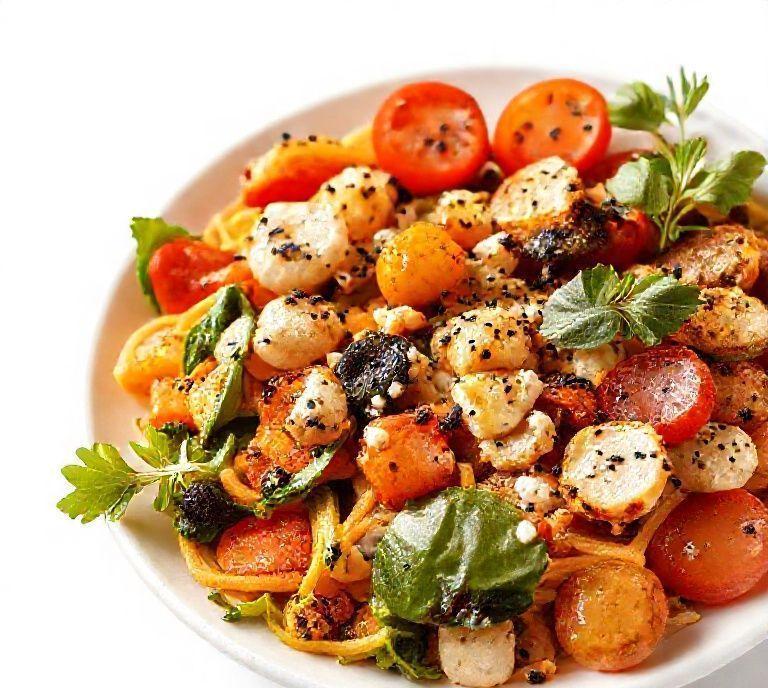
Vegetarian moussaka is a hearty and comforting dish that layers tender eggplant, a rich tomato-based sauce, and a smooth, creamy béchamel topping. The beauty of this dish lies in how each layer works in harmony with the others, creating a satisfying experience for the senses. It’s the kind of meal that feels both indulgent and wholesome, making it perfect for a special dinner or just as a filling weeknight dish.
Ingredients Needed
You don’t need a pantry full of exotic ingredients to make moussaka. It’s all about fresh, quality items that bring out the rich Mediterranean flavors. Here’s a rundown of what you’ll need:
- Eggplant (2 medium): Choose firm, unblemished eggplants. These will be sliced and lightly salted to draw out any bitterness.
- Olive oil (1/4 cup): A must-have in Greek cooking! Use extra virgin for the best flavor.
- Onion (1 large, chopped): Adds a bit of sweetness and depth to the sauce.
- Garlic (3 cloves, minced): For that unmistakable aromatic punch.
- Canned tomatoes (2 cups, crushed): These provide the base for the sauce. Fresh tomatoes can be used if they’re in season, but canned work just as well for a more consistent flavor.
- Tomato paste (2 tablespoons): For extra richness in the sauce.
- Red wine (1/4 cup): This adds complexity to the sauce. Don’t skip this step!
- Chopped spinach (2 cups, fresh or frozen): This adds a vibrant green color and an earthy flavor.
- Feta cheese (1/2 cup, crumbled): A little sprinkle of feta gives it that tangy Greek touch.
- Cinnamon (1 teaspoon): This may seem like an unusual addition, but it’s a classic Greek moussaka flavor.
- Bay leaves (2): They give a subtle, aromatic undertone to the sauce.
- Nutmeg (a pinch): This goes into the béchamel, where it lends a warm, fragrant note.
- Milk (2 cups): For a creamy, smooth béchamel sauce.
- Butter (1/4 cup): To create the béchamel’s rich base.
- All-purpose flour (2 tablespoons): To thicken the sauce and give it that velvety consistency.
- Parmesan cheese (1/4 cup): This adds a bit of sharpness and depth to the béchamel.
Cooking Instructions
-
Prepare The Eggplant
Begin by slicing the eggplant into 1/2-inch thick rounds. Sprinkle them with salt and place them in a colander to drain for about 30 minutes. This step helps draw out the moisture and any bitterness. Afterward, rinse them and pat them dry with paper towels.
-
Cook The Eggplant
Heat some olive oil in a large skillet over medium heat. Add the eggplant slices in batches, cooking them until golden and soft, about 3-4 minutes per side. Set them aside on a plate and continue with the rest.
-
Make The Tomato Sauce
In the same skillet, add a bit more olive oil, then sauté the onion and garlic until softened and fragrant. Stir in the crushed tomatoes, tomato paste, red wine, cinnamon, and bay leaves. Let the sauce simmer on low heat for about 20 minutes, stirring occasionally. If the sauce thickens too much, you can add a splash of water or vegetable broth.
-
Cook The Spinach
If you’re using fresh spinach, sauté it in a separate pan until wilted. If you’re using frozen, just thaw it and squeeze out the excess water. Add the spinach to the tomato sauce, and stir to combine. Remove the bay leaves.
-
Prepare The Béchamel Sauce
In a medium saucepan, melt the butter over medium heat. Whisk in the flour to form a roux and cook for 1-2 minutes, until it becomes golden. Slowly add the milk, whisking constantly to avoid lumps. Continue to cook until the sauce thickens to a creamy consistency, then stir in the nutmeg and Parmesan cheese. Season with salt and pepper to taste.
-
Assemble The Moussaka
Preheat the oven to 350°F (175°C). In a greased 9×13-inch baking dish, layer half of the cooked eggplant slices at the bottom. Spoon half of the tomato-spinach sauce over the eggplant, followed by half of the crumbled feta. Repeat the layers with the remaining eggplant, tomato sauce, and feta. Finally, pour the béchamel sauce over the top, spreading it evenly.
-
Bake
Place the moussaka in the oven and bake for about 45 minutes, or until the top is golden brown and bubbling. Let it cool for 10-15 minutes before serving.
Ingredient Science Spotlight
Let’s take a moment to talk about why certain ingredients in this dish work so well together. First, the eggplant. Eggplants are spongy and absorb flavors beautifully, which makes them perfect for soaking up the rich, savory tomato sauce. The olive oil is a staple in Mediterranean diets because it contains heart-healthy fats and adds a silky texture to everything it touches. The cinnamon and bay leaves might seem like odd choices for a vegetarian dish, but in Greek cuisine, these ingredients lend a subtle warmth that complements the earthy eggplant and the acidity of the tomatoes.
Then, there’s the béchamel-the creamy sauce that elevates moussaka from good to great. The flour creates a roux, which thickens the milk into a smooth, velvety base. The addition of nutmeg and Parmesan creates a beautiful balance of flavors, giving the béchamel depth and complexity.
Expert Tips
- Salt the Eggplant: Don’t skip the salting step! This helps remove excess moisture from the eggplant, which prevents it from becoming soggy during baking.
- Use Full-Fat Milk: For the richest béchamel, opt for full-fat milk. It’ll give you that luxurious, creamy texture.
- Let It Rest: Moussaka is one of those dishes that tastes even better the next day, once all the flavors have had time to meld together. If you can, let it sit for 30 minutes after baking before serving.
- Mix Up the Cheese: While feta is the classic choice, you can also experiment with a combination of mozzarella and ricotta for a different twist.
Recipe Variations
While the traditional moussaka is a beautiful vegetarian dish, there are endless variations you can explore.
- Add Layers of Zucchini: If you’re a fan of zucchini, try layering it with the eggplant for added texture and flavor.
- Vegan Version: Replace the dairy with plant-based alternatives-use almond or oat milk for the béchamel and a vegan feta or cashew cheese in place of regular feta.
- Lentils for Protein: To add more protein, consider adding cooked lentils to the tomato sauce. They’ll blend perfectly with the flavors and make the dish even heartier.
Final Words
Moussaka is more than just a meal; it’s a journey into the heart of Greek home cooking. It’s a dish that’s meant to be shared, savored, and enjoyed with loved ones. As I’ve learned over the years, the beauty of cooking is not just in the ingredients or the technique, but in the memories and stories that unfold with each bite. Whether you’re serving this to family on a cozy night or sharing it with friends at a gathering, there’s something timeless about moussaka.
FAQs
What Are Some Traditional Greek Vegetarian Dishes?
Traditional Greek vegetarian dishes often focus on fresh vegetables, legumes, grains, and cheeses. Popular examples include spanakopita (spinach and feta pastry), fasolada (bean soup), briam (oven-roasted vegetables), gemista (stuffed tomatoes and peppers), and Greek salads made with cucumbers, tomatoes, olives, and feta. Many of these recipes use olive oil, herbs like oregano and dill, and lemon juice to enhance flavor.
Can Greek Vegetarian Recipes Be High In Protein?
Yes, Greek vegetarian recipes can provide substantial protein through legumes, dairy, and nuts. Ingredients such as chickpeas, lentils, beans, feta cheese, yogurt, and walnuts are common in Greek cooking and contribute to a balanced, protein-rich vegetarian diet. Combining grains like rice or bulgur with legumes also ensures a complete amino acid profile.
Are Greek Vegetarian Recipes Suitable For Gluten-free Diets?
Many Greek vegetarian dishes can be adapted for gluten-free diets. Dishes based on vegetables, legumes, or dairy are naturally gluten-free, such as fasolada, briam, and Greek salads. However, recipes like spanakopita traditionally use phyllo pastry, which contains gluten. For gluten-free alternatives, phyllo can be replaced with gluten-free pastry or baked vegetable layers.