It’s a warm summer afternoon, and the sun is casting golden hues over the kitchen table. There’s something about those bright, soft colors that just make you want to relax and enjoy something simple, comforting, and nostalgic. One of my favorite ways to do that is with a bowl of vegetarian Jello. Sounds like a strange combination, right? You’re probably thinking, ’Jello? Vegetarian?’ But I assure you, it’s not only possible, it’s delicious and fun!
Jello is a classic treat that brings back memories of childhood birthday parties, potluck dinners, and holiday desserts. But if you’re a vegetarian (or vegan), you’ve probably had to avoid those brightly colored gelatin desserts in the store since they often contain animal-derived gelatin. No need to miss out, though! This recipe gives you all the fruity, jiggly goodness of Jello without any animal products. Plus, it’s surprisingly easy to make and customize to your own taste.
So, let’s dive in and create something that’s not just a dessert but an experience – a fun, wobbly, vibrant treat that brings a little extra joy to the day.
Vegetarian Jello Recipe
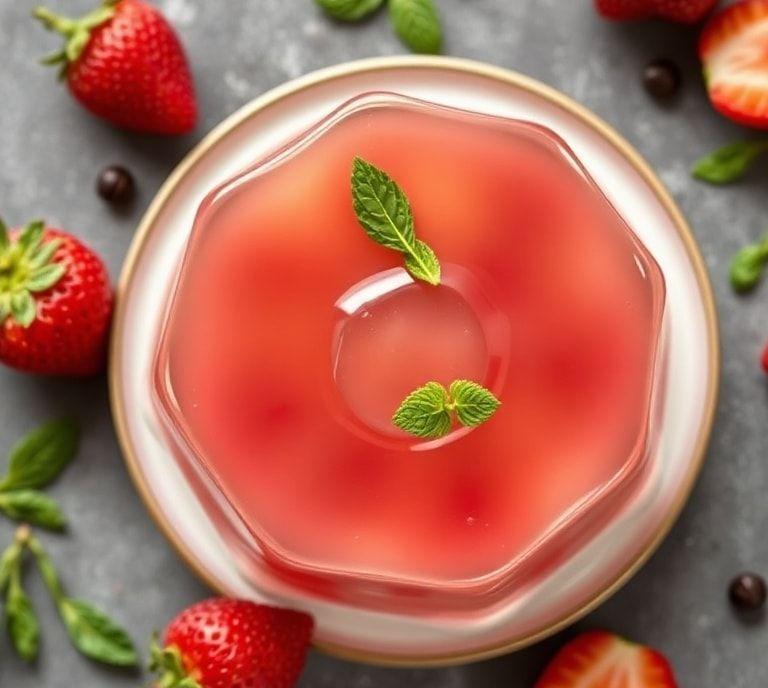
Making vegetarian Jello at home isn’t just for those with dietary restrictions-it’s for anyone who wants to enjoy a fun, gelatinous dessert without worrying about what’s in it. This recipe uses agar-agar, a plant-based alternative to gelatin, which is derived from seaweed. It sets up just like gelatin, giving you that satisfying jiggle, but with a much cleaner, eco-friendly foundation.
I’ve been experimenting with different flavors and shapes over the years, and let me tell you, it’s a lot more versatile than you might think. The best part? You can control the sweetness, the flavor intensity, and the texture. Want something more firm or softer? You got it. Need to make it a bit more tart or a lot more sweet? It’s all up to you.
Here’s how to make your very own vegetarian Jello from scratch.
Ingredients Needed
- 1 ½ teaspoons agar-agar powder (This is the magic ingredient. Agar-agar is a plant-based alternative to gelatin, derived from red algae. It’s a setting agent that works wonders for creating that Jello-like texture without any animal products.)
- 2 cups fruit juice (You can go with anything, but I love using fresh fruit juices like orange, grape, or apple. For a tart twist, try cranberry or pomegranate. The fresher the juice, the more vibrant the flavor!)
- 1/3 cup sugar (Feel free to adjust this based on how sweet your juice is. You could also use alternatives like maple syrup, agave, or stevia if you’re looking for something a little different.)
- 1 teaspoon lemon juice (This adds a nice zesty kick and balances the sweetness.)
- A pinch of salt (Just a little bit, enough to elevate the flavors and bring everything together.)
- Optional add-ins (This is where you can get creative! Think chopped fruits like berries, kiwi, or citrus zest to give the Jello an extra burst of flavor and texture.)
Cooking Instructions
- Prepare your molds: Start by choosing your molds. You can use anything from traditional Jello molds to silicone molds for fun shapes (I’ve used star and heart molds for kids’ parties before-always a hit). Lightly grease the inside of your molds with a small amount of oil, or spray them with non-stick spray to ensure the Jello comes out easily later.
- Dissolve the agar-agar: In a saucepan, combine the agar-agar powder with 1 cup of the fruit juice. Stir it well to break up any lumps. Bring the mixture to a boil over medium-high heat, and then reduce the heat to a simmer. Let it cook for about 3-5 minutes, or until the agar-agar has fully dissolved into the juice. It’s important to boil it because agar needs to be activated in high heat to work properly.
- Add the sugar and flavorings: Once the agar-agar is dissolved, add the sugar, lemon juice, and salt. Stir well to ensure everything is fully dissolved. At this point, you can taste the mixture and adjust the sweetness if needed. Some juices, like orange, can be naturally quite sweet, so you might need less sugar than you think.
- Add the remaining juice: Pour in the rest of the fruit juice and stir to combine. Bring the mixture back to a boil, then remove it from the heat.
- Pour into molds: Carefully pour the liquid mixture into your prepared molds. If you’re adding any fruits or other add-ins, now’s the time to layer them in. They’ll suspend nicely in the Jello as it sets. Let the mixture cool at room temperature for 10 minutes, then place it in the refrigerator for at least 1-2 hours to fully set. It should be firm to the touch when ready.
- Unmold and serve: When it’s time to serve, carefully run a knife around the edges of the molds, then invert them onto a plate. Give them a little shake if needed, and voilà-you’ve got yourself some beautiful, wobbling vegetarian Jello!
Ingredient Science Spotlight
Let’s take a minute to talk about agar-agar and why it’s such a great choice for this recipe. Agar-agar is a gelling agent that comes from red algae. It’s often used in Asian cuisine, especially in desserts like “kanten”, a jelly-like dish. Unlike gelatin, which is animal-derived, agar-agar is plant-based, making it perfect for vegetarians and vegans.
Agar sets at a much higher temperature than gelatin-around 95°F (35°C)-so it solidifies when it cools, and unlike gelatin, it doesn’t melt at room temperature. This means that your Jello will hold its shape even when it’s out on the counter for a bit (which is fantastic for picnics, parties, and long-lasting dessert displays). It also has a slightly firmer texture than regular Jello, which some people really enjoy.
Expert Tips
- Use high-quality juice: The flavor of your Jello will be directly influenced by the juice you choose, so go for the best quality you can find. Freshly squeezed is always a winner, but if you’re using bottled juice, look for one with minimal added sugars or preservatives.
- Don’t overdo the agar-agar: If you use too much agar-agar, the texture can become rubbery. The ratio I’ve given works perfectly for a gelatin-like consistency. If you want something firmer (for example, if you’re using it in a cake decoration), you could use a little more, but start with the suggested amount.
- Chill it thoroughly: Let the Jello set for at least 2 hours to ensure it firms up completely. It can be tempting to take a sneak peek before that, but patience really does pay off.
- Test different fruit combos: Some fruits like pineapples, kiwi, and papayas contain enzymes that can interfere with the gelling process, so try to avoid them in this recipe or cook them slightly before adding to the Jello.
Recipe Variations
Once you’ve got the basic vegetarian Jello recipe down, there are endless ways to make it your own:
- Layered Jello: Create a multi-colored, multi-flavored masterpiece by pouring different layers of Jello, letting each layer set before adding the next. You can mix juices like orange, cranberry, and blueberry to make vibrant, eye-catching layers.
- Coconut Milk Jello: Add a bit of coconut milk to the mix for a creamy texture and a tropical twist. Pair it with mango juice or pineapple juice for the ultimate island dessert.
- Sparkling Jello: For a little fizz, use sparkling water or soda instead of regular juice. This gives the Jello a light, effervescent quality that adds a surprising twist.
- Vegan ’Whipped Cream’ Topping: Top your set Jello with a dollop of coconut whipped cream or another plant-based topping for an extra layer of indulgence.
Final Words
I’ve made this vegetarian Jello countless times, and it never fails to impress. Whether you’re serving it at a summer barbecue, a holiday dinner, or just as a fun treat for the family, this dessert brings a light-hearted, colorful joy to any table. It’s versatile, refreshing, and full of possibilities. The best part is that you can experiment with different juice and fruit combinations to make it your own. It’s like a little piece of nostalgia, but with a twist that’s perfectly in tune with today’s plant-based trends.
FAQs
What Is A Vegetarian Alternative To Gelatin In A Jello Recipe?
A common vegetarian alternative to traditional gelatin is agar-agar, a plant-based substance derived from seaweed. Agar-agar sets more firmly than gelatin, so it’s a popular choice for vegetarian or vegan jello recipes.
Can I Make Vegetarian Jello Without Using Sugar?
Yes, you can make vegetarian jello without sugar by using alternative sweeteners like stevia, agave syrup, or maple syrup. It’s important to adjust the amount of sweetener based on your preference and the type of substitute used.
How Do I Make Vegetarian Jello With Fresh Fruit?
To make vegetarian jello with fresh fruit, first ensure the fruit is not high in enzymes like pineapple, kiwi, or papaya, as these can interfere with the setting process of agar-agar. Cook the fruit briefly or puree it, and mix it with the agar-agar solution to set. Be sure to follow the agar-agar instructions for the correct ratios of water and setting time.