Baking is one of those rare activities where science and art merge seamlessly, and every new creation feels like a personal masterpiece. There’s something incredibly satisfying about taking simple ingredients-flour, sugar, eggs-and turning them into a delightful, fragrant treat. One recipe that holds a special place in my heart is the vegetarian vanilla cake. It’s not just a recipe for a cake; it’s an experience-one that brings together the warmth of home and the joy of sharing something you’ve crafted with care. I’ve made this cake countless times, for birthdays, special occasions, or even just because I wanted a slice of comfort on a quiet afternoon. And no matter how often I make it, the excitement never fades. It’s the kind of cake that can be adapted to suit anyone’s taste, but it always delivers that familiar, nostalgic feeling that makes everything feel just a little bit better.
Whether you’re a seasoned baker or someone just beginning to explore the world of baking, this vegetarian vanilla cake is the perfect place to start. It’s soft, moist, and the vanilla flavor is rich but not overpowering, making it ideal for pairing with a variety of frostings, fillings, or even enjoying on its own.
Vegetarian Vanilla Cake Recipe
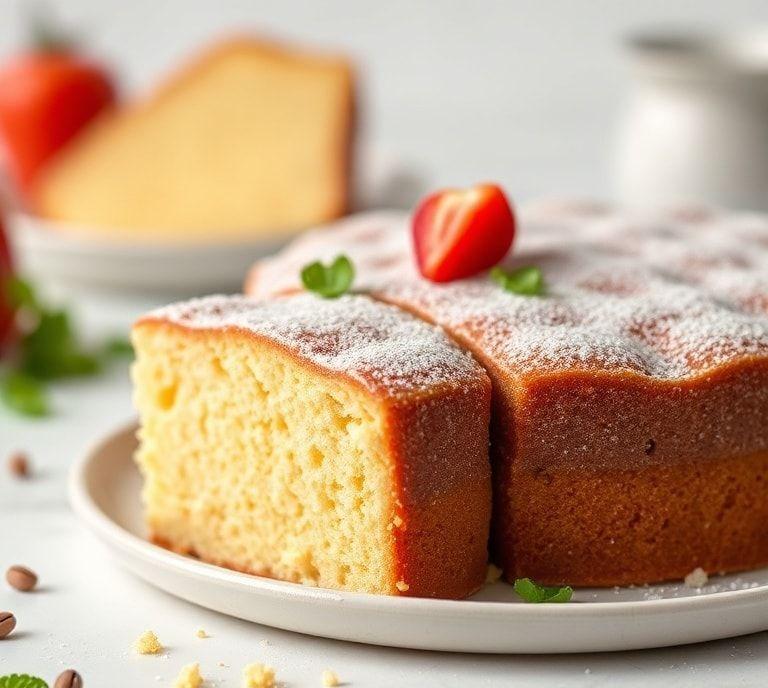
If you’ve ever had the urge to bake something that everyone will love-regardless of dietary restrictions-this vegetarian vanilla cake is the answer. It’s simple enough to pull off without feeling overwhelmed, yet impressive enough to make you feel like a professional baker. The best part? It’s completely vegetarian and doesn’t compromise on taste or texture.
Ingredients Needed
Here’s what you’ll need to gather for your cake. These ingredients come together effortlessly and create a cake that’s both tender and flavorful.
- 1 ½ cups all-purpose flour
- 1 cup sugar (you can use granulated or a more natural option like coconut sugar for a slightly different flavor)
- 2 teaspoons baking powder (this is the leavening agent, so don’t skip it!)
- ½ teaspoon salt
- ¾ cup milk (any type-dairy or plant-based, like almond or oat milk)
- 1/2 cup vegetable oil (or melted butter for a richer taste, though the oil keeps it light)
- 2 teaspoons vanilla extract (this is where you’ll get the heart of your flavor)
- 1 tablespoon apple cider vinegar (a surprising but crucial ingredient-trust me on this one!)
- 1 egg (optional-this is used for binding and texture, but you can swap it out for a flax egg if you want to keep it fully plant-based)
Cooking Instructions
Now, the fun part-putting it all together. I’ve always found that baking requires a delicate balance of patience and spontaneity. With this cake, you’ll see that everything comes together quickly.
- Preheat the Oven: Set your oven to 350°F (175°C). Prepare your cake pans (two 8-inch round pans or one 9×13-inch rectangular pan) by greasing them lightly with oil or butter and dusting with a little flour, or you can line them with parchment paper.
- Mix the Dry Ingredients: In a medium bowl, whisk together the flour, sugar, baking powder, and salt. It’s always a good idea to sift your dry ingredients if you have time-it helps remove any lumps and makes for a smoother batter.
- Combine the Wet Ingredients: In a separate bowl, whisk together the milk, vegetable oil, vanilla extract, and apple cider vinegar. The vinegar may seem like an odd addition, but it works wonders here. It reacts with the baking powder to help the cake rise beautifully while keeping it moist.
- Bring It All Together: Gradually pour the wet ingredients into the dry ingredients, mixing gently with a spatula or a whisk. Don’t overmix-just stir until everything is combined. The batter will be thick but smooth, and a little more liquid than you might expect.
- Bake: Pour the batter into your prepared pans, spreading it out evenly. Bake for 25-30 minutes, or until a toothpick inserted into the center comes out clean. Every oven is different, so keep an eye on the cake around the 20-minute mark and start checking for doneness.
- Cool: Let the cake cool in the pans for about 10 minutes, then transfer it to a wire rack to cool completely. This is when the hardest part comes-waiting! But trust me, the smell wafting through the house will make it worth it.
Ingredient Science Spotlight
This section is where things get interesting. If you’re like me, you’ve probably wondered at some point why a pinch of salt or a teaspoon of baking powder can make such a difference. So, let’s break down some of the magic behind the ingredients in this cake:
- Baking Powder and Apple Cider Vinegar: Baking powder is a leavening agent, which means it helps the cake rise. The apple cider vinegar reacts with the baking powder to create carbon dioxide gas, which makes the cake light and airy. It’s like a little science experiment in the oven, and it’s one of the reasons why this cake is so tender.
- Oil vs. Butter: Oil is used in this recipe because it keeps the cake moist and light, as opposed to butter, which tends to create a denser texture. The fat content in oil allows the batter to stay soft even as it cools, so you get that melt-in-your-mouth texture.
- Vanilla Extract: It’s the star of the show when it comes to flavor. I’ve experimented with different types of vanilla-there’s something special about using pure vanilla extract that makes the flavor depth richer than synthetic vanilla. The scent alone is enough to make the entire kitchen feel like home.
Expert Tips
- Room Temperature Ingredients: If you can, make sure your wet ingredients (like milk or oil) are at room temperature before mixing. This ensures everything incorporates smoothly and avoids clumping.
- Don’t Overmix the Batter: When you’re mixing the dry and wet ingredients, stop as soon as they’re combined. Overmixing can lead to a dense cake, which isn’t what you want here.
- Temperature Check: Always check the cake with a toothpick or cake tester before taking it out. If it comes out clean, it’s done! If it has wet batter on it, give it another 5-10 minutes, but keep an eye on it.
- Chill the Cake Before Frosting: If you’re frosting your cake, let it cool completely. A warm cake can cause the frosting to melt, making it harder to achieve that smooth, professional-looking finish.
Recipe Variations
Now, I love that this recipe is simple and versatile. The base itself can be adapted in so many ways to create new flavor profiles.
- Chocolate Vanilla Cake: Swap out ¼ cup of flour with unsweetened cocoa powder for a chocolate twist. You’ll get a soft, moist chocolate cake that’s perfect with a rich chocolate buttercream.
- Spices and Zest: Add 1 teaspoon of cinnamon or nutmeg for a warm, spiced version, or try a teaspoon of lemon or orange zest for a fresh, citrusy kick.
- Add-ins: You can fold in a handful of chocolate chips, berries, or even nuts like almonds or walnuts to add texture and flavor. Just make sure to coat your add-ins in a little flour before mixing them in to prevent them from sinking to the bottom.
Final Words
Baking this vegetarian vanilla cake has become a tradition in my kitchen. It’s one of those recipes that can be as simple or as elaborate as you want. Whether you’re having a quiet weekend with a cup of tea or celebrating a big occasion, this cake has a way of making any moment feel special.
I love how the cake’s texture is always perfect-light, moist, and with that wonderful balance of vanilla flavor. And the best part? It’s a cake that you can make your own, no matter what changes you make to it.
FAQs
Can I Make A Vegetarian Vanilla Cake Without Eggs?
Yes, you can make a vegetarian vanilla cake without eggs by using egg substitutes like flaxseed meal, chia seeds, unsweetened applesauce, or a commercial egg replacer. These alternatives will help bind the ingredients together and provide moisture to the cake.
What Ingredients Are Needed For A Basic Vegetarian Vanilla Cake?
A basic vegetarian vanilla cake typically requires flour, sugar, baking powder, salt, vanilla extract, plant-based milk (like almond, soy, or oat milk), vegetable oil or melted butter, and a dairy-free yogurt or egg substitute. Ensure all ingredients are free from animal products to maintain the vegetarian status.
Can I Make A Vegan Version Of A Vegetarian Vanilla Cake?
Yes, a vegan version of a vegetarian vanilla cake can easily be made by ensuring that no animal-derived products are used. This includes replacing dairy milk with a plant-based milk (such as almond, soy, or coconut milk), using a dairy-free butter or oil, and substituting eggs with plant-based alternatives like flax eggs or chia eggs.