Borscht-a dish that seems to evoke more nostalgia and warmth than most others. For me, it brings to mind my grandmother’s kitchen, the scent of beets and garlic wafting through the air, and the steady rhythm of chopping and stirring that became a kind of musical cadence in her home. Growing up, every winter felt incomplete without the deep ruby-red soup simmering on the stove. It was a ritual-a connection to the past, to family, and to the land that my ancestors once walked. Even now, when I make it, it feels like I’m carrying a piece of that history forward, one spoonful at a time.
While traditional borscht often includes meat (typically beef or pork), this vegetarian version is just as satisfying and rich in flavor. The earthy sweetness of the beets, the tangy depth of the cabbage, and the subtle hints of dill create a bowlful of comfort that nourishes both body and soul. And the beauty of this vegetarian twist is that it doesn’t lose the essence of the classic dish-it’s just as hearty and soul-satisfying without the meat.
So, if you’re ready to dive into a timeless recipe that carries the warmth of generations before, let’s get started.
Borscht Vegetarian Recipe
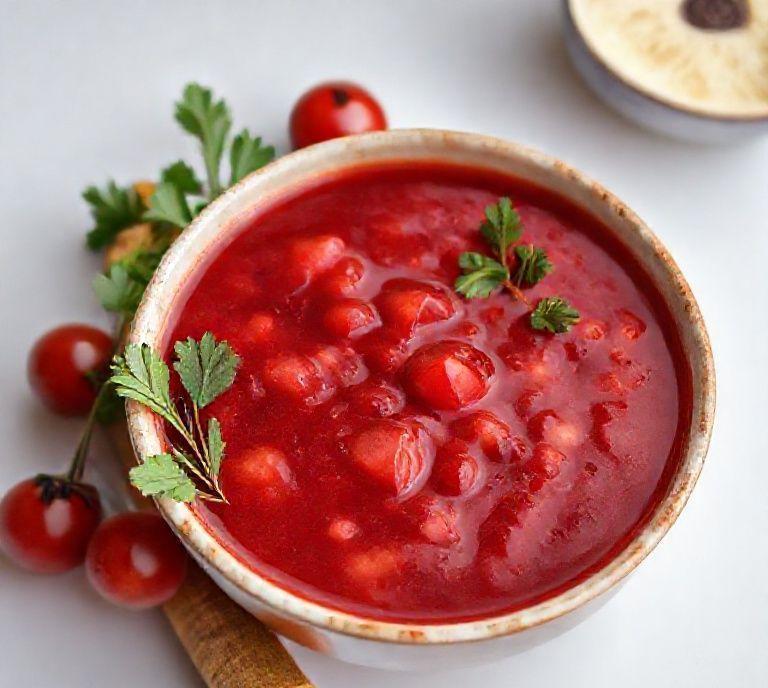
Borscht is often a dish that gets passed down in family circles, each recipe varying just slightly from person to person. This vegetarian version, however, embraces the heart of the classic while staying true to fresh, plant-based ingredients. Here’s how you can make it.
Ingredients Needed
To make a satisfying vegetarian borscht, you’ll need a selection of simple ingredients. Some may be familiar to you, others might be new, but each one plays an essential role in crafting the dish’s balance of flavors. Here’s what you’ll need:
- 4 medium beets – Beets are the soul of borscht, giving it that signature vibrant red color and earthy sweetness.
- 1 medium onion, chopped – Onion adds an aromatic base and subtle sweetness when sautéed.
- 1 large carrot, peeled and grated – Carrots complement the beets with a mild sweetness and a bit of texture.
- 2 tablespoons olive oil – Used for sautéing the onions, carrots, and other vegetables.
- 1 small head of cabbage, shredded – Cabbage gives borscht its necessary crunch and depth, and adds a slight bitterness that balances the sweetness of the beets.
- 2 medium potatoes, peeled and diced – Potatoes are used for a creamy texture and make the soup more filling.
- 1 tablespoon tomato paste – For richness and a slight tangy depth.
- 6 cups vegetable broth – A good quality broth is key to giving the soup a solid base of flavor.
- 2 tablespoons vinegar – To give the soup that sharp tang, balancing out the sweetness of the beets and carrots.
- 1 tablespoon sugar – Just a touch to help enhance the natural sweetness of the beets.
- 2 garlic cloves, minced – Garlic infuses the soup with a warming depth of flavor.
- 1 teaspoon dried dill – A classic herb in borscht that lends a fresh, slightly grassy aroma.
- Salt and pepper, to taste – Essential for seasoning, though you’ll likely adjust this based on your personal preferences.
- Sour cream or vegan sour cream (optional) – For serving, adding a rich, creamy element to your bowl.
- Fresh dill (optional) – A sprinkle of fresh dill on top for garnish will elevate the flavor.
Cooking Instructions
Making borscht is a process that unfolds like a story-each step builds upon the last. Here’s how you can make it:
- Prepare the vegetables: Start by peeling and grating the beets and carrots. I’ve always found that using a box grater for the beets adds a bit more texture than using a food processor, but that’s entirely up to you. Once that’s done, chop the onions, dice the potatoes, and shred the cabbage. This ensures that everything is ready to be tossed into the pot as you go.
- Sauté the base vegetables: In a large pot, heat the olive oil over medium heat. Add the chopped onions and grated carrots. Sauté for about 5 minutes, until they soften and become aromatic. It’s at this stage that your kitchen will start to smell incredible.
- Cook the beets: Add the grated beets to the pot, stirring to combine. Cook for another 5 minutes, letting the beets soften slightly and absorb the flavors of the onions and carrots. This is when you’ll see the dish start to take on its signature deep color.
- Add the cabbage and potatoes: Toss in the shredded cabbage and diced potatoes. Stir to mix everything together. The cabbage will wilt down as it cooks, adding a lovely texture to the soup.
- Simmer the soup: Pour in the vegetable broth, vinegar, sugar, and minced garlic. Bring everything to a boil, then reduce the heat to low. Let the soup simmer for about 30 minutes, or until the potatoes are tender and the flavors have melded together. Stir occasionally to make sure nothing sticks to the bottom.
- Season and finish: Taste the soup and adjust the seasoning with salt, pepper, and extra vinegar if needed. The balance between sweet, sour, and savory is key, so feel free to play with it until it’s just right.
- Serve: Ladle the hot borscht into bowls, topping with a generous dollop of sour cream and a sprinkle of fresh dill, if desired. The sour cream adds creaminess that contrasts perfectly with the bold, tangy flavors of the soup.
Ingredient Science Spotlight
What makes borscht so special isn’t just the ingredients themselves, but how they work together. Let’s take a closer look at a few key players in this vegetarian version:
- Beets: The star of the dish, beets are loaded with natural sugars, which make them inherently sweet. When simmered, they release their sugars into the broth, turning the soup a rich ruby color. They’re also packed with antioxidants, which contribute to their health benefits, such as improving blood pressure and supporting liver function.
- Cabbage: This humble vegetable is an important counterbalance to the sweet beets. Cabbage has a mild bitterness that balances out the rich, earthy flavors in the soup, while its fiber helps give the soup a more substantial texture. It’s also full of vitamin C and other antioxidants, which support immune health.
- Vinegar and sugar: These two ingredients are the ultimate flavor enhancers. The vinegar introduces acidity to the soup, cutting through the natural sweetness of the beets and balancing the richness of the broth. A pinch of sugar adds just the right amount of sweetness to round out the flavors and enhance the beet’s natural sugars.
Expert Tips
- Don’t skip the vinegar: It’s easy to think that vinegar is optional, but it’s crucial in borscht. It balances the sweetness of the beets and adds a subtle depth of flavor. If you find regular vinegar too harsh, try apple cider vinegar for a gentler taste.
- Grating vs. chopping the beets: Grating the beets instead of chopping them helps them break down and infuses the broth with more flavor. If you prefer a smoother texture, you can use a food processor for the grating, but be careful-it can get messy!
- Make it ahead: Like many soups, borscht gets better with time. If you can, make it a day ahead. The flavors will continue to meld and deepen, making it even more delicious.
Recipe Variations
While this version is traditional in many ways, there are plenty of ways to personalize your borscht. Here are a few ideas:
- Add beans: To make the soup even heartier, add a can of kidney beans or white beans. They’ll absorb the flavors of the broth and provide an extra protein punch.
- Use different vinegar: While regular white vinegar is common, you can experiment with different types. For example, balsamic vinegar will add a sweetness and complexity, while lemon juice will brighten up the dish with a sharper tang.
- Smoked paprika: A sprinkle of smoked paprika can add a lovely smoky depth to the dish. This is especially great if you’re trying to mimic the hearty flavor of a traditional meaty borscht without the meat.
Final Words
There’s something deeply satisfying about making a pot of borscht from scratch. It’s not just about following a recipe-it’s about creating something that ties you to history, to a sense of place, and to the simple pleasures of eating. Every spoonful carries a bit of love, a bit of tradition, and a whole lot of flavor. Whether you’re enjoying it alone on a quiet evening or sharing it with friends and family, borscht is one of those dishes that can make an ordinary day feel extraordinary.
FAQs
What Ingredients Are Needed For A Vegetarian Borscht?
A vegetarian borscht typically includes beets, potatoes, carrots, onions, garlic, cabbage, vegetable broth, and tomato paste. You may also add ingredients like bay leaves, dill, and vinegar to enhance the flavor. Some recipes may include a dollop of sour cream or a plant-based alternative to add creaminess to the soup.
How Do I Make Vegetarian Borscht Without Using Meat Or Animal Products?
To make a meat-free borscht, simply substitute vegetable broth for the traditional meat-based broth. Avoid adding bacon, sausage, or other animal proteins, which are sometimes used in traditional borscht recipes. To ensure a rich and savory flavor, focus on using a variety of vegetables like beets, onions, and carrots, and enhance the soup with seasonings like dill, garlic, and a splash of vinegar for tanginess.
Can I Prepare Vegetarian Borscht Ahead Of Time, And How Should I Store It?
Yes, vegetarian borscht can be prepared ahead of time. In fact, the flavors tend to improve after a day or two in the refrigerator. Allow the soup to cool before storing it in an airtight container in the fridge. You can store it for up to 4-5 days. To reheat, simply bring it to a boil on the stovetop. If you prefer, you can also freeze the borscht for up to 3 months. However, keep in mind that the texture of the cabbage may change slightly after freezing and thawing.