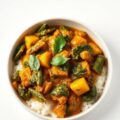
Cooking is a lot like storytelling. Every dish has its own plot, characters, and twists that keep you coming back for more. Today, I want to share a recipe that’s a personal favorite, one that brings together warmth, depth, and a little touch of indulgence. This recipe for Marsala Vegetarian has a rich history, an inviting aroma, and a delicate balance of flavors that will make you feel like you’ve stepped into a cozy kitchen in the heart of Italy.
I stumbled upon this dish several years ago, after trying a chicken Marsala at a local bistro. It was one of those meals that immediately had me hooked-rich, earthy, and utterly satisfying. But I wanted to recreate it at home, without meat, for a more sustainable and health-conscious approach. After playing around with different vegetables and herbs, I finally landed on a combination that nails the original Marsala sauce’s depth, while offering something fresh and exciting.
Now, every time I make this dish, it feels like a celebration. It’s simple enough for a weekday dinner, yet elegant enough for a dinner party. But most importantly, it’s a dish that lets the ingredients shine.
Marsala Vegetarian Recipe
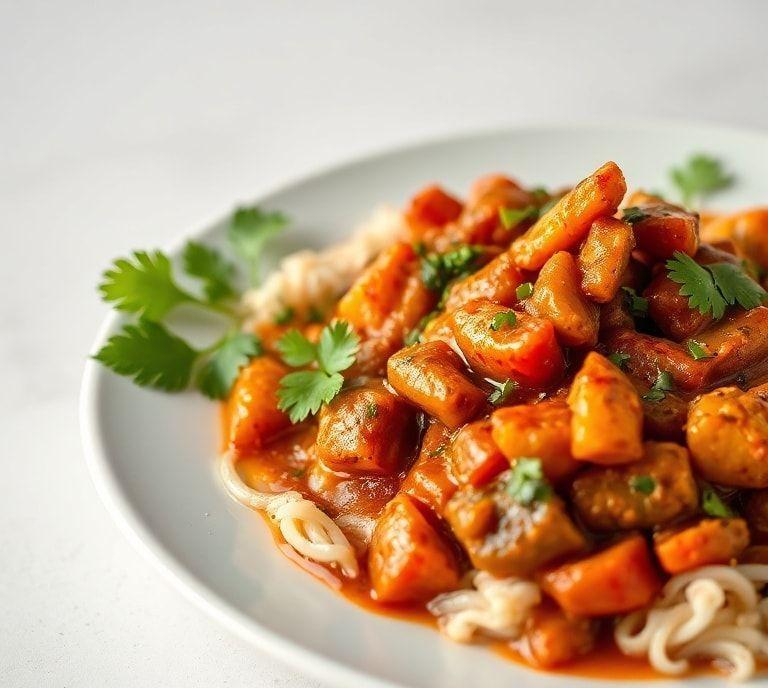
This vegetarian Marsala recipe swaps out the meat for hearty, satisfying vegetables like mushrooms, eggplant, and onions, while maintaining the depth of flavor the Marsala wine brings to the table. The Marsala sauce itself is the hero of this dish-rich, earthy, with just the right balance of sweetness and savory notes. Paired with vegetables that soak up the sauce and absorb all its flavors, it becomes a meal you’ll want to make over and over again.
Ingredients Needed
The beauty of this recipe lies in its simplicity. The ingredients come together to create something much greater than the sum of their parts. Here’s what you’ll need:
- Mushrooms (8 oz) – I typically use cremini or portobello for their earthy flavor, but you can experiment with any variety. Mushrooms take on the rich Marsala sauce so well.
- Eggplant (1 medium) – This vegetable, when cooked right, has an almost meaty texture, which makes it an excellent stand-in for traditional meat-based dishes.
- Yellow onion (1 large) – Sweet and slightly caramelized when sautéed, onions are the foundation of many dishes and add a subtle layer of sweetness.
- Marsala wine (3/4 cup) – A rich, fortified wine with notes of caramel and vanilla. Marsala is essential to this dish, so don’t skimp on quality.
- Vegetable broth (1 cup) – You want a good quality vegetable broth to complement the flavors of the wine and add some depth.
- Olive oil (2 tablespoons) – For sautéing. I love using extra virgin olive oil for its full, fruity flavor.
- Garlic (3 cloves) – Garlic is an aromatic staple in many dishes, and it pairs perfectly with the earthiness of the mushrooms and eggplant.
- Thyme (1 teaspoon, fresh) – Fresh thyme adds a herby fragrance that lifts the entire dish.
- Salt and pepper to taste – Simple, but essential.
- Cornstarch or flour (1 tablespoon) – To thicken the sauce if necessary. Sometimes, I use cornstarch for a lighter feel, but flour also works well.
These ingredients come together quickly, and the simplicity is what makes this recipe so approachable. The Marsala wine, though, is what gives it that signature flavor and depth.
Cooking Instructions
- Prepare the Vegetables: Start by slicing your eggplant into 1/2-inch thick rounds. Sprinkle them with a little salt and set them aside for 10-15 minutes to draw out excess moisture. Then, wipe them dry with a paper towel. While the eggplant is resting, slice the mushrooms and chop the onion and garlic.
- Sauté the Vegetables: In a large skillet, heat the olive oil over medium heat. Add the onions and cook them until they start to soften, about 5 minutes. Add the garlic and cook for another minute until fragrant. Then, add the mushrooms and eggplant, stirring occasionally to prevent burning. Cook the vegetables until they’re softened and have taken on some color, about 8-10 minutes.
- Deglaze with Marsala Wine: Once the vegetables are cooked, it’s time to add the Marsala wine. Pour it in slowly, stirring to deglaze the pan and lift up all the browned bits stuck to the bottom. This is where the flavor really starts to build.
- Add Broth and Simmer: Pour in the vegetable broth, then bring the mixture to a simmer. Let it cook for 10-15 minutes until the liquid reduces slightly and the flavors have melded together.
- Thicken the Sauce: If you want a thicker sauce, mix your cornstarch or flour with a little water to make a slurry, then stir it into the sauce. Let it simmer for another few minutes until it thickens to your liking.
- Final Seasoning: Taste your sauce and adjust the seasoning with salt and pepper. Add fresh thyme for that herby kick.
- Serve: This dish is great served over rice, pasta, or mashed potatoes. A sprinkle of fresh parsley on top adds a pop of color and freshness.
Ingredient Science Spotlight
Mushrooms, one of the star ingredients here, are fascinating from a scientific standpoint. They contain a compound called glutamate, which is a natural flavor enhancer. This compound gives mushrooms that rich, umami flavor, which makes them a perfect stand-in for meat in vegetarian dishes. When sautéed, the mushrooms also develop a meaty texture, which helps replicate the mouthfeel of traditional meat-based dishes like chicken Marsala.
Eggplants, too, are a wonderful addition. They contain solanine, a bitter compound found in nightshades. When cooked properly, however, eggplants mellow out and take on a creamy, almost buttery texture. This makes them an ideal base for absorbing sauces like the Marsala wine reduction.
The magic of Marsala wine itself comes from its process of being fortified. The wine starts as a regular table wine but is boosted with distilled spirits (usually brandy), which increases the alcohol content and helps preserve the wine. The result is a complex beverage with rich, sweet, and slightly nutty flavors, making it an excellent partner for hearty vegetables like mushrooms and eggplant.
Expert Tips
- Don’t rush the sautéing process: It’s easy to want to rush through the initial sautéing of the vegetables, but taking the time to caramelize the onions and mushrooms properly will deepen the flavor of the dish. This is where the foundation of the entire recipe lies.
- Use high-quality Marsala: The Marsala wine is the backbone of this recipe, so don’t go for the cheap stuff. A mid-range bottle will work wonders-something around $15-$20.
- Let the sauce reduce: Patience pays off here. Allow the wine and broth to reduce to concentrate the flavors. The sauce should coat the back of a spoon when it’s ready.
- Add a splash of cream: If you want to give this dish a little more richness, you can add a touch of heavy cream or coconut milk towards the end of cooking. This will add a velvety texture to the sauce.
Recipe Variations
- Swap the eggplant for zucchini: If you’re not a fan of eggplant, zucchini is a great alternative. It absorbs the sauce well and provides a slightly lighter texture.
- Add greens: For some extra color and nutrition, throw in a handful of spinach or kale at the end of cooking. The greens will wilt perfectly into the sauce.
- Add nuts for crunch: A sprinkle of toasted pine nuts or chopped almonds can give this dish a nice crunch and a nutty contrast to the soft vegetables.
- Make it gluten-free: If you’re avoiding gluten, just substitute the flour with cornstarch or arrowroot powder to thicken the sauce. You can also serve it over gluten-free pasta or rice.
Final Words
This Marsala vegetarian recipe is all about balance-rich flavors, hearty textures, and the beauty of simplicity. It’s a reminder that you don’t always need meat to create something deeply satisfying. The Marsala wine is the secret ingredient, but it’s the vegetables that make the dish feel wholesome and nourishing. Whether you’re making it for a special occasion or just a cozy night in, this dish will always deliver.
FAQs
What Is A Marsala Vegetarian Recipe?
A Marsala vegetarian recipe is a plant-based dish that incorporates Marsala wine, typically used to add a rich, slightly sweet and earthy flavor. These recipes often include vegetables, mushrooms, or plant-based proteins cooked in a sauce made with Marsala wine, garlic, onions, and herbs. The resulting dish is flavorful and suitable for those who avoid meat but still want the depth of taste that Marsala wine provides.
Can I Substitute Marsala Wine In A Vegetarian Recipe?
Yes, if you prefer not to use alcohol or do not have Marsala wine on hand, you can substitute it with non-alcoholic alternatives. Common substitutes include grape juice mixed with a splash of balsamic vinegar or white grape juice with a bit of apple cider vinegar. These alternatives replicate the sweet and slightly tangy profile of Marsala wine without compromising the vegetarian nature of the recipe.
What Are Some Common Vegetables Used In A Marsala Vegetarian Recipe?
Common vegetables in Marsala vegetarian recipes include mushrooms, bell peppers, zucchini, spinach, and onions. Mushrooms are particularly popular because their earthy flavor pairs exceptionally well with the richness of Marsala wine. Some recipes also include chickpeas, eggplant, or tofu as protein sources to create a more substantial meal.