
I remember the first time I made fried rice. It was an impromptu decision after coming home late from work, with just a few ingredients in the fridge, but I had a craving for something hearty, comforting, and quick. Little did I know that I was about to make a version of fried rice that would stay with me for years to come.
What I ended up with wasn’t just any fried rice-it was a vegetarian Indian-inspired creation that drew from the rich tapestry of spices and fresh produce typical in Indian kitchens. And the best part? It’s a recipe that is as versatile as it is satisfying. Whether you’re someone who’s been eating vegetarian food for years or someone simply trying to eat a little lighter, this fried rice is an easy gateway to a whole new world of flavors. It’s full of warm spices, tender vegetables, and a depth of flavor that’s a great example of how Indian cuisine effortlessly turns simple ingredients into something magical. So let’s dive in and create a dish that’s as comforting as it is vibrant.
Fried Rice Vegetarian Indian Recipe
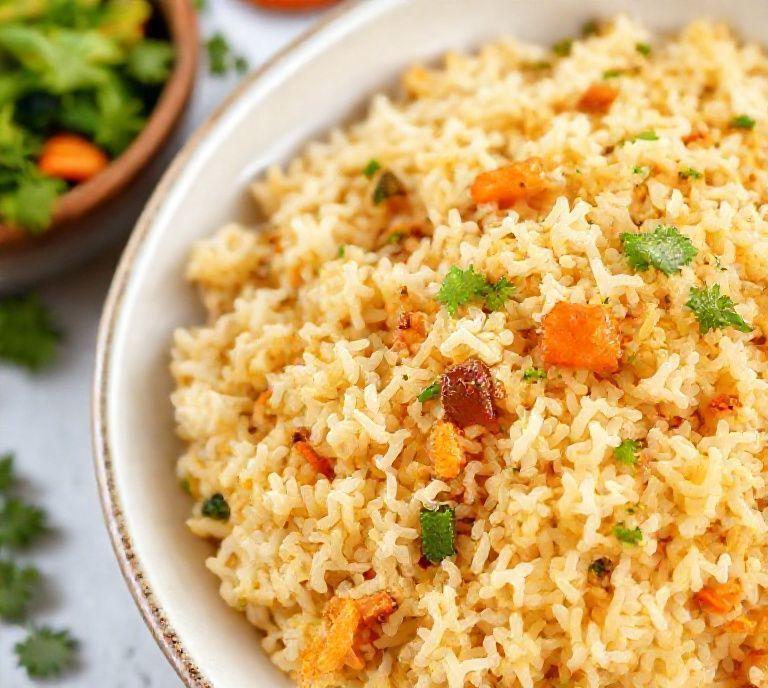
When you think of fried rice, the first thing that comes to mind is probably the Chinese takeout version-hearty, savory, with a good balance of vegetables and maybe some scrambled egg or chicken. But in this recipe, we’re swapping those traditional ingredients for a distinctly Indian twist. You’ll get the beautiful flavor profile of cumin, turmeric, and coriander, all coming together with the sweetness of vegetables and a bit of tangy lemon. And don’t worry; the essence of fried rice is still there-crispy bits of rice, lightly fried vegetables, and that comforting, satisfying bite.
Ingredients Needed
- 1 cup basmati rice – Basmati rice is a must for this recipe because of its long grains and fragrant aroma. It’s the perfect base for this dish, providing just the right texture.
- 2 tablespoons ghee or oil – Ghee adds a rich, buttery flavor that you won’t get from regular cooking oil, but feel free to substitute with olive oil or sunflower oil if you prefer.
- 1 small onion, finely chopped – Onions form the foundation of many Indian dishes, and they add a lovely sweetness when caramelized.
- 1/2 cup mixed vegetables – You can use peas, carrots, corn, green beans, or whatever veggies you like or have on hand. Frozen mixed vegetables work just as well.
- 1-2 green chilies, chopped – If you like a little heat, don’t skip this. It’ll add a lovely spicy kick to balance the sweetness of the veggies.
- 1 teaspoon cumin seeds – This is your base spice that gives the dish its earthy, aromatic flavor.
- 1/2 teaspoon turmeric powder – This is the ingredient that not only gives the rice its golden color but also imparts a warm, slightly bitter flavor.
- 1 teaspoon coriander powder – A little citrusy and sweet, coriander rounds out the flavors of this dish.
- Salt to taste – Essential, of course.
- 1/2 teaspoon garam masala – A blend of spices that is a quintessential part of Indian cooking. It adds warmth and depth to the fried rice.
- Fresh lemon juice – A burst of freshness to lift the flavors.
- Fresh cilantro leaves – This is more for garnish, but it adds a fresh, slightly citrusy flavor that works perfectly with the richness of the ghee and spices.
Cooking Instructions
- Cook the Rice: Start by cooking the basmati rice. I always prefer to rinse the rice under cold water a few times to remove excess starch, which helps the rice cook up nice and fluffy. Cook it according to the package directions, or if you’re feeling adventurous, cook it in a pot with a little salt and a splash of ghee for added flavor. Once done, set it aside to cool-this helps the grains stay separate when frying.
- Sauté the Vegetables: In a large skillet or wok, heat the ghee (or oil) over medium heat. Add the cumin seeds, and as they start to sizzle and pop, toss in the chopped onions. Sauté the onions until they turn golden brown and aromatic-this takes about 4-5 minutes.
- Spice It Up: Add the chopped green chilies, turmeric, coriander powder, and salt. Stir well, letting the spices toast and release their fragrances. At this point, your kitchen will start to smell like an Indian market, with all those wonderful spices mingling together.
- Add the Veggies: Next, throw in the mixed vegetables and cook them until they’re tender. This takes about 5 minutes, but keep stirring to prevent burning. You want them to soften but still retain a bit of bite for texture.
- Fry the Rice: Now it’s time to add the cooled rice to the pan. Break up any clumps with your spatula and mix everything together. The rice should absorb all the flavors from the ghee and spices. Stir-fry the rice for 3-4 minutes, letting some of the grains get a little crispy.
- Finish It Off: Sprinkle the garam masala over the rice and stir it in. Squeeze some fresh lemon juice over the top and give it one last toss to combine everything. Garnish with fresh cilantro before serving.
Ingredient Science Spotlight
Let’s take a moment to talk about the science behind some of the key ingredients in this dish.
Ghee – Often referred to as clarified butter, ghee is essential to Indian cooking because it brings a deep, rich flavor to dishes. When ghee is heated, the milk solids are separated out, which gives it a higher smoke point than regular butter, making it perfect for frying. Plus, it contains butyrate, a type of fatty acid that has been linked to numerous health benefits, like reducing inflammation and supporting gut health.
Cumin Seeds – Cumin is a warming spice, and when it’s toasted, it releases natural oils that enhance its earthy flavor. Cumin also has a unique compound called cuminaldehyde, which is responsible for its distinct aroma. It’s great for digestion, too.
Turmeric – Curcumin, the active compound in turmeric, is what gives this dish its vibrant golden color. It’s also renowned for its anti-inflammatory properties and is considered a powerhouse when it comes to overall health.
Expert Tips
- Cool the Rice Before Cooking: This is key to getting that perfect fried rice texture. Freshly cooked rice can be too sticky and soft, so spreading it out to cool or refrigerating it for an hour helps prevent clumping during the stir-frying process.
- Use a Wok or Large Pan: The shape and size of your pan will affect how the rice fries. A wide surface allows the rice to spread out and get crispy edges, which is part of the magic of fried rice.
- Add Protein: If you’re craving more protein, consider adding some cooked chickpeas, tofu, or paneer. These ingredients absorb the spices beautifully and add extra richness to the dish.
- Season to Taste: Adjust the spices according to your taste. Add more turmeric if you love that golden color or more garam masala if you like your rice with a bit of extra warmth.
Recipe Variations
- Vegan Version: Swap the ghee for coconut oil or olive oil. It’s an easy tweak to make this dish vegan without sacrificing flavor.
- Adding Heat: If you want a spicier version, toss in a few dried red chilies or use a spicier variety of green chilies. You could also add a pinch of red chili powder.
- Biryani-Style Fried Rice: For a richer version, layer the fried rice with some fried onions, saffron strands soaked in warm milk, and a bit of yogurt. This gives it a biryani-inspired twist.
Final Words
This vegetarian Indian fried rice isn’t just about nourishing your body-it’s about nourishing your soul. Every time I make this, I’m reminded of how a simple, humble dish can bring so much comfort. The warm spices, the crunch of the vegetables, and the crispy rice all come together in the most satisfying way. It’s easy to make, customizable to your taste, and ideal for both busy weeknights and weekend gatherings. You’ll never look at fried rice the same way again.
FAQs
What Ingredients Are Typically Used In A Vegetarian Indian Fried Rice Recipe?
A vegetarian Indian fried rice recipe usually includes cooked rice (preferably day-old for better texture), a variety of vegetables such as carrots, peas, bell peppers, beans, and onions, along with garlic, ginger, and green chilies for flavor. Spices commonly used are cumin seeds, turmeric, garam masala, coriander powder, and sometimes a dash of soy sauce or tomato sauce for added taste. Fresh herbs like cilantro are often added at the end for aroma and garnish.
How Can I Make Sure The Fried Rice Doesn’t Turn Mushy?
To prevent mushy fried rice, always use rice that has been cooked and cooled, preferably leftover rice that has been refrigerated. Ensure the vegetables are chopped uniformly so they cook evenly. Stir-fry the ingredients over medium-high heat quickly without overcrowding the pan, which allows the rice to remain separate. Using minimal oil and avoiding excessive liquid additions also helps maintain a fluffy texture.
Can I Make This Recipe Vegan And Still Retain Authentic Indian Flavors?
Yes, the recipe can easily be made vegan while keeping authentic Indian flavors. Simply replace any ghee with vegetable oil or coconut oil, and ensure no dairy-based sauces are used. Spices, herbs, and vegetables carry most of the flavor in Indian fried rice, so vegan substitutions do not compromise the authenticity. Adding tofu or roasted chickpeas can enhance protein content without altering the traditional taste.