When it comes to cooking, few things are as satisfying as a good homemade pasta sauce. It’s one of those recipes that transforms a simple meal into something that feels like a warm embrace. And the beauty of it? It’s incredibly easy to make-no need for a pantry full of obscure ingredients or hours of prep. A great vegetarian pasta sauce can be a wonderful canvas for creativity, allowing you to adjust the flavors to suit your mood, the season, or even the contents of your fridge.
I’ll be honest, I’ve spent my fair share of time perfecting pasta sauces. From family dinners to impromptu gatherings with friends, there’s always something magical about bringing a bunch of simple ingredients together and watching them turn into something unforgettable. I remember one evening-fall, crisp air-when I found myself with a bounty of fresh tomatoes from my garden and a few herbs still hanging on from the summer. I decided to throw them together and make a fresh, vegetarian sauce. The result was not only delicious, but it also turned into a small ritual of mine, a meditative process that gave me a sense of connection to the food and the people I was sharing it with.
Pasta Sauce Vegetarian Recipe
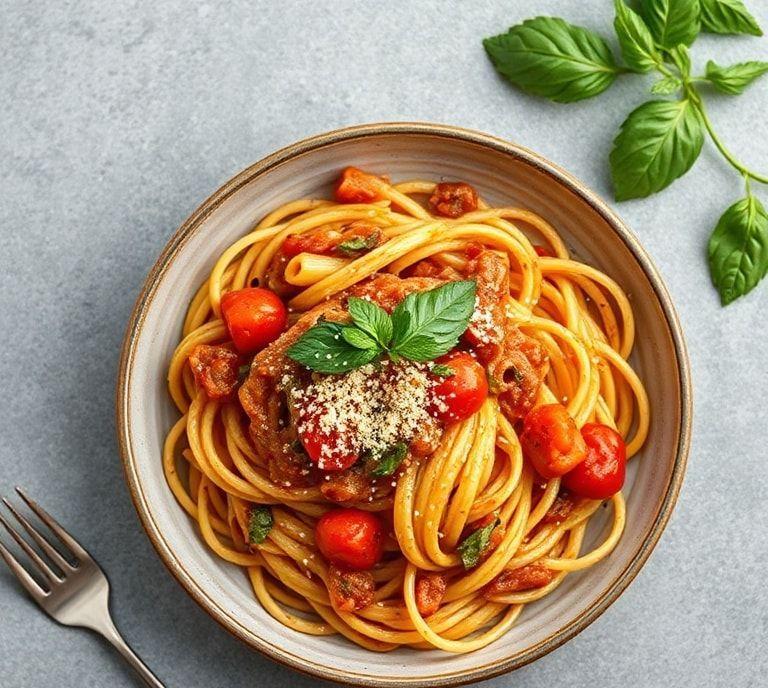
This vegetarian pasta sauce is all about simplicity and depth of flavor. It’s inspired by the idea of letting each ingredient speak for itself. We’re working with a base of fresh tomatoes, which bring a bright, tangy sweetness, and adding in a few classic herbs and aromatics to create something that tastes like it took hours to simmer-even though it’s ready in just under an hour.
If you’ve never made your own sauce from scratch, I highly recommend it. There’s something so satisfying about watching the tomatoes break down, filling the kitchen with that deliciously warm, slightly sweet smell. And the best part is that it’s completely customizable to your tastes. Want it spicier? Add some red pepper flakes. Like it a little sweeter? A touch of honey or sugar will do the trick.
Ingredients Needed
Here’s what you’ll need for a rich, flavorful vegetarian pasta sauce:
- Olive oil (2 tbsp): Olive oil is the perfect base for this sauce, adding a hint of fruitiness and smoothness.
- Yellow onion (1, medium-sized): It’s not just for flavor; onions add sweetness when they cook down, which helps balance the acidity of the tomatoes.
- Garlic (4 cloves, minced): Garlic is non-negotiable. It’s the backbone of any good sauce.
- Fresh tomatoes (8-10 medium): Tomatoes are the star of the show. While canned versions can be convenient, fresh tomatoes provide a vibrant, light flavor that canned just can’t replicate.
- Tomato paste (2 tbsp): Adds richness and depth to the sauce.
- Fresh basil (handful, chopped): Fresh basil brings that sweet, herbal fragrance that defines Italian cuisine.
- Dried oregano (1 tsp): Adds an earthy undertone.
- Red pepper flakes (optional, 1/4 tsp): If you like a little heat, this is where you’d add it.
- Salt (to taste) and freshly ground black pepper (to taste): Always season to taste, and don’t be afraid to adjust as you go.
- Sugar (1/2 tsp): Just a pinch to help balance the acidity of the tomatoes.
That’s it. Simple. Fresh. Perfectly balanced.
Cooking Instructions
Here’s how we’re going to turn these basic ingredients into a mouthwatering pasta sauce.
-
Prepare The Tomatoes
Start by blanching the tomatoes. Bring a pot of water to a boil, and with a sharp knife, make a small ’x’ incision at the bottom of each tomato. Drop them into the boiling water for about 30 seconds, or until the skins begin to peel away. Remove them with a slotted spoon and transfer to a bowl of ice water. This makes peeling the skins so much easier. Once they’re cool enough to handle, peel the skins off, cut out the cores, and chop the tomatoes into small chunks. Set them aside.
-
Sauté The Aromatics
In a large pan, heat the olive oil over medium heat. Add the diced onion and cook, stirring occasionally, for about 5 minutes until softened and golden. Add the minced garlic and cook for another minute, being careful not to burn it. You should be able to smell the garlic becoming fragrant-this is where the sauce begins to develop its soul.
-
Simmer The Sauce
Add the chopped tomatoes, tomato paste, basil, oregano, and red pepper flakes (if using) to the pan. Stir everything together and bring it to a simmer. Let it cook uncovered for about 30 minutes, stirring occasionally. During this time, the tomatoes will break down, releasing their juices and turning into a thick, rich sauce. Season with salt, pepper, and a pinch of sugar to taste.
-
Finish And Serve
Once the sauce has thickened to your liking, take it off the heat. Taste it one last time to see if it needs any adjustments, whether more salt, a little sugar, or another sprinkle of fresh basil. If you’re serving this with pasta, you can toss it right into the sauce or ladle it over. For an extra touch, top with some grated Parmesan or a few fresh basil leaves.
Ingredient Science Spotlight
Let’s take a deeper look at some of the ingredients in this sauce and what makes them so special. It’s not just about how they taste, but also why they work so beautifully together.
- Tomatoes: The secret behind tomatoes is their natural umami-a savory quality that, when cooked, intensifies. Tomatoes are rich in glutamates, which is what makes them so satisfying. The longer you cook them, the more complex the flavor becomes, which is why slow-simmered sauces are so irresistible. The acidity from the tomatoes also helps cut through the richness of the olive oil and the sweetness of the onions.
- Olive Oil: It’s not just a cooking fat. Olive oil is packed with antioxidants, including vitamin E, and it adds a distinct fruity, slightly peppery flavor. This fat is also great for helping you absorb fat-soluble vitamins from other ingredients like tomatoes.
- Garlic and Onion: Together, they’re a dynamic duo in cooking. Both are rich in sulfur compounds that add depth and flavor. When you sauté them, the heat breaks down these compounds, creating that delicious, aromatic base that fills your kitchen with irresistible smells. Garlic also contains allicin, a compound that’s been linked to various health benefits, from boosting your immune system to reducing inflammation.
Expert Tips
- Don’t Skimp on the Seasoning: A pasta sauce needs salt-just a little bit can make all the difference. Add it gradually as the sauce simmers and adjust to taste. A small pinch of sugar can also help balance out overly acidic tomatoes.
- Fresh Herbs are Key: Fresh basil is a game-changer. If you’re using dried herbs, use less than the recipe calls for, as they can be more potent. But fresh herbs add a layer of vibrancy that dried ones can’t match.
- Simmer Slowly: The longer you let your sauce simmer, the better. If you’re short on time, even 30 minutes will give you a flavorful sauce. But if you can, let it cook for an hour or more-just make sure to stir it occasionally and keep an eye on it to prevent burning.
- Double the Batch: This sauce keeps well in the fridge for a few days and freezes beautifully. Make a double batch and save half for another meal. It’ll taste even better the next day!
Recipe Variations
Feel free to get creative with this recipe. Here are a few variations you can try:
- Add Vegetables: You can incorporate a range of vegetables to add depth and nutrition. Try adding finely chopped carrots or bell peppers when sautéing the onions, or stir in some spinach or zucchini towards the end of the simmering process.
- Mushrooms: For a richer, umami-packed sauce, sauté some chopped mushrooms with the onions and garlic. They’ll soak up all the flavors and add a meaty texture.
- Creamy Tomato Sauce: Add a splash of cream or a dollop of mascarpone cheese towards the end of cooking for a silky smooth, creamy version of this sauce. You can also make a ’pink sauce’ by adding a little bit of cream and tomato paste together.
- Herb Variations: While basil is classic, you can mix it up with thyme, rosemary, or even a little sage for a different twist on flavor.
Final Words
A great pasta sauce doesn’t need to be complicated-it just needs the right ingredients and the right love. You might find yourself adapting it with new tweaks or ingredient swaps, but that’s part of the fun. Cooking is all about experimenting, finding what you love, and making the dish your own. Whether you’re cooking for yourself or sharing it with others, there’s something deeply comforting about the simplicity of a homemade pasta sauce.
FAQs
What Are The Key Ingredients For A Basic Vegetarian Pasta Sauce?
A basic vegetarian pasta sauce typically includes olive oil, garlic, onions, tomatoes (fresh or canned), herbs like basil and oregano, and salt and pepper for seasoning. Additional vegetables like bell peppers, zucchini, or mushrooms can be added for extra flavor and texture.
Can I Make A Vegetarian Pasta Sauce Without Tomatoes?
Yes, you can make a vegetarian pasta sauce without tomatoes. Alternatives include using roasted red peppers blended with olive oil and garlic, or creating a creamy sauce using ingredients like ricotta, cream, or cashews blended with herbs. A white sauce, often referred to as Alfredo, can also be made using butter, flour, milk, and cheese.
How Can I Make My Vegetarian Pasta Sauce More Flavorful?
To enhance the flavor of your vegetarian pasta sauce, try adding a variety of seasonings such as garlic, red pepper flakes, and a splash of balsamic vinegar or lemon juice. You can also experiment with different herbs like thyme, rosemary, or bay leaves, and finish the sauce with freshly grated Parmesan or nutritional yeast for a cheesy flavor. For depth, consider adding a small amount of soy sauce or miso paste.