Cooking has always felt like a kind of magic to me, like a space where simple ingredients can be transformed into something comforting, satisfying, and-sometimes-transformative. Take cabbage, for instance. On the surface, it’s just a humble, leafy vegetable, often overlooked or even ignored. Yet, when prepared right, it has a deep, savory quality that can stand out in any dish. This fried cabbage recipe, specifically, is one that I keep coming back to-not only because it’s a great way to use up vegetables you might have lying around, but because it’s a perfect side dish to pair with so many meals. It’s simple, wholesome, and oh-so-delicious.
When I first tried making fried cabbage, I was a little skeptical. I’d had it in various dishes before, but I never thought of it as the star of the show. That changed the moment I cooked it on its own. There’s something about the way cabbage caramelizes when you fry it that brings out a sweetness and complexity I didn’t expect. And the best part? You don’t need to load it down with heavy fats or ingredients to make it amazing. This recipe keeps things light, vegetarian, and flavorful, allowing the cabbage to really shine.
Fried Cabbage Vegetarian Recipe
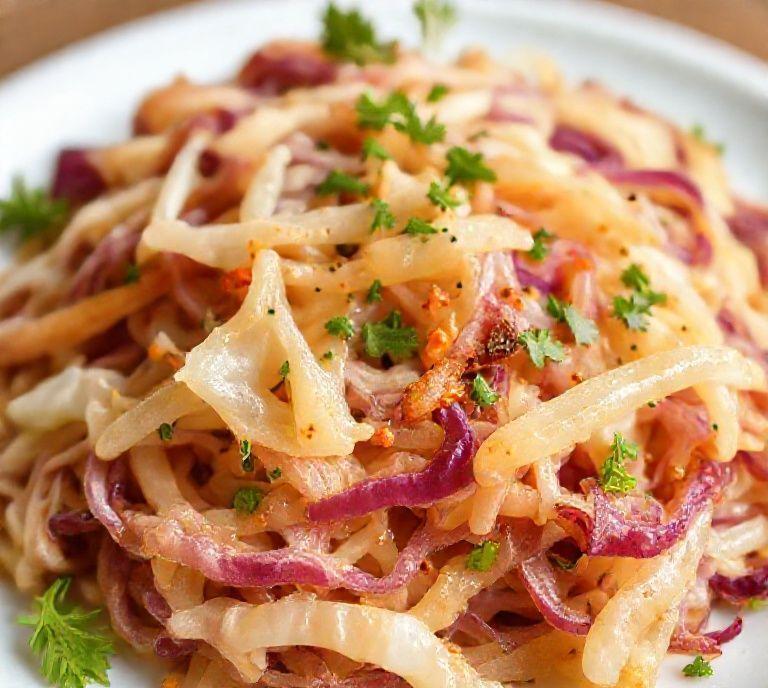
So, what makes fried cabbage so special? It’s a dish that seems deceptively simple, yet it packs in layers of flavor with every bite. The key here is a balance between the natural sweetness of the cabbage, the savory depth from seasonings, and a touch of heat from the pan. I’ve come to appreciate how versatile cabbage can be. For those who think it’s just a side vegetable that’s bland or boring, this recipe will prove otherwise. The caramelized edges, the slight crunch that remains, and the tender interior all create a rich texture that’s satisfying without being overwhelming.
I’ve experimented with fried cabbage in a lot of different ways over the years-sometimes adding garlic, sometimes a dash of soy sauce, or even a little vinegar for tang. But this version stays true to the basics, making sure that every element complements the cabbage rather than competing with it. It’s a great dish to serve as a main vegetarian course or as a tasty side next to a protein-rich meal.
Ingredients Needed
Here’s what you’ll need for this fried cabbage vegetarian recipe. You’ll be using ingredients that most likely already sit in your pantry or fridge-nothing too exotic or hard to find:
- 1 medium head of green cabbage – The star of the dish. Look for one that feels heavy for its size and has firm, crisp leaves. I personally love using fresh cabbage, but if you’ve got leftovers from another meal, go ahead and use that. Just be sure it’s still crunchy, as the texture really makes a difference in the frying process.
- 2 tbsp olive oil – For frying and creating that rich, golden-brown color. Olive oil’s flavor complements the cabbage, giving it a mild, slightly fruity base note.
- 1 medium onion – I like a yellow onion for this recipe. It adds a little sweetness and depth when it caramelizes in the pan with the cabbage.
- 3 garlic cloves, minced – Garlic brings that fragrant, savory punch that makes everything come to life. You can use more or less depending on how garlicky you like your food.
- Salt and black pepper – Simple but essential. These bring out the natural flavors of the cabbage without overwhelming it.
- A pinch of red pepper flakes (optional) – If you enjoy a little heat, this can be the perfect touch. Just a tiny sprinkle is enough to warm the dish without making it spicy.
- 1 tbsp apple cider vinegar – This is what adds a little zing to the cabbage, cutting through its natural richness. A splash at the end brightens up the flavors beautifully.
That’s it! Pretty straightforward, right? What I love most about this recipe is that it’s forgiving and adaptable. If you’re missing an ingredient or want to swap something out, it can be done without compromising the end result.
Cooking Instructions
- Prepare the cabbage: Start by removing the outer leaves of the cabbage if they look damaged. Cut the cabbage into quarters, remove the core, and slice it into thin ribbons. The thinner you slice it, the quicker it’ll cook, and you’ll get more of those delicious crispy edges.
- Sauté the onion and garlic: Heat the olive oil in a large skillet over medium heat. Add the sliced onion and sauté it for about 5 minutes, or until it softens and starts to brown slightly. Add the minced garlic and cook for another minute until fragrant.
- Cook the cabbage: Add the cabbage to the pan, stirring to coat it in the oil, onion, and garlic. Season with salt, pepper, and red pepper flakes, if using. Stir occasionally, letting the cabbage cook for about 10-15 minutes. The goal is to have some of the cabbage edges get nice and crispy, while the rest becomes tender and sweet.
- Finish with vinegar: Once the cabbage is tender and browned to your liking, add the apple cider vinegar, stirring to combine. The vinegar will add a subtle sharpness that balances the sweetness of the cabbage.
- Taste and adjust: Taste your cabbage. If you want it saltier, add more salt; if you want it sharper, a little more vinegar can do the trick. You can also sprinkle in a bit more pepper if you like.
- Serve: Serve it hot as a side dish or enjoy it on its own.
Ingredient Science Spotlight
Cabbage is often underestimated, but it’s packed with benefits. It’s full of fiber, vitamin C, and antioxidants, which make it a great addition to a balanced diet. The process of frying cabbage brings out its natural sugars, which caramelize and create those deep, savory flavors. The combination of olive oil and vinegar also enhances the cabbage’s natural taste while keeping it light and fresh.
The apple cider vinegar is interesting because it doesn’t just cut the richness-it can also help boost digestion. The acetic acid in vinegar is known to aid in the breakdown of food, making this dish not just flavorful but functional too. Plus, the addition of onions and garlic gives the dish more nutritional power, with both offering anti-inflammatory properties and various vitamins that help support overall health.
Expert Tips
- Don’t overcrowd the pan: If you’re making a larger batch, cook the cabbage in batches. This ensures that the cabbage fries evenly and crisps up properly. Overcrowding the pan can result in soggy cabbage instead of crispy, caramelized goodness.
- Experiment with different oils: While olive oil is my go-to, you can experiment with other oils. Coconut oil or avocado oil can add interesting flavors and are both great for frying at higher heats.
- Add herbs for variety: If you want to add a fresh herbal touch, try adding a few sprigs of thyme or rosemary while cooking. These herbs can infuse the oil with their essence, making the dish even more fragrant.
Recipe Variations
While this recipe is simple, there are plenty of ways to customize it to suit your tastes.
- Add protein: If you’re looking to turn this into a more substantial dish, you can toss in some cooked chickpeas, tofu, or even tempeh for a plant-based protein boost.
- Sweeten it up: A drizzle of honey or maple syrup toward the end of cooking adds a sweet contrast to the savory flavors. It’s especially good if you’re serving the cabbage with something salty like roasted nuts or a grain bowl.
- Add cheese: A sprinkle of grated Parmesan or a few crumbles of feta can add some creaminess and richness to the dish. Just be sure to add it toward the end of cooking, so it doesn’t burn in the pan.
Final Words
This fried cabbage recipe is one of those dishes that proves less is more. With just a handful of ingredients and a little time, you can create something simple yet full of flavor. It’s comforting, nourishing, and surprisingly versatile. I love how it brings out the natural sweetness of the cabbage while also being satisfying enough to serve on its own. Whether you’re enjoying it as a side to your favorite dish or making it the star of your meal, it’s one of those recipes that always hits the spot.
FAQs
What Are The Best Vegetables And Seasonings To Use In A Vegetarian Fried Cabbage Recipe?
For a flavorful vegetarian fried cabbage, you can use a combination of green or savoy cabbage, onions, carrots, and bell peppers. Common seasonings include garlic, ginger, smoked paprika, black pepper, and soy sauce or tamari for umami. Some recipes also add a splash of apple cider vinegar or lemon juice to enhance the flavor and balance the sweetness of the cabbage.
How Can I Make Fried Cabbage Vegetarian While Keeping It Tender But Not Soggy?
To achieve tender yet crisp fried cabbage, start by slicing the cabbage thinly and salting it lightly for 10-15 minutes to draw out excess moisture, then pat it dry. Use medium-high heat with a moderate amount of oil, stir-frying in batches if necessary to avoid overcrowding the pan. Cooking quickly and stirring constantly helps retain texture without steaming the cabbage into sogginess.
Can I Make A Vegan Version Of Fried Cabbage Without Losing Flavor?
Yes, a vegan version can be just as flavorful. Replace any butter with plant-based oils like olive oil, avocado oil, or coconut oil. Use soy sauce, tamari, or liquid aminos for a savory boost, and consider adding nutritional yeast for a subtle umami flavor. Fresh herbs, garlic, and spices will enhance the taste, ensuring a rich and satisfying dish without any animal products.