When the weather turns chilly, there’s something comforting about a bowl of hearty, warm stew. But not just any stew-something rich in flavor, nourishing, and, dare I say, satisfying without feeling overly heavy. This vegetarian cabbage stew fits that bill perfectly. It’s the kind of dish that makes you feel right at home, no matter where you are.
I first stumbled upon a variation of this recipe during a visit to an old friend’s house in the countryside. It was the middle of winter, and she had been preparing the stew all afternoon. The smell in her kitchen was incredible-savory, herbal, with the subtle sweetness of cabbage balancing everything out. The moment I tasted the first spoonful, I knew I had to recreate it in my own kitchen. Since then, this recipe has become a staple in my winter meal rotation. It’s simple, wholesome, and deeply satisfying.
Now, I’m excited to share my version with you-one that’s easy to make, full of flavor, and surprisingly adaptable for a variety of dietary preferences. So, grab your favorite pot and let’s get started!
Vegetarian Cabbage Stew Recipe
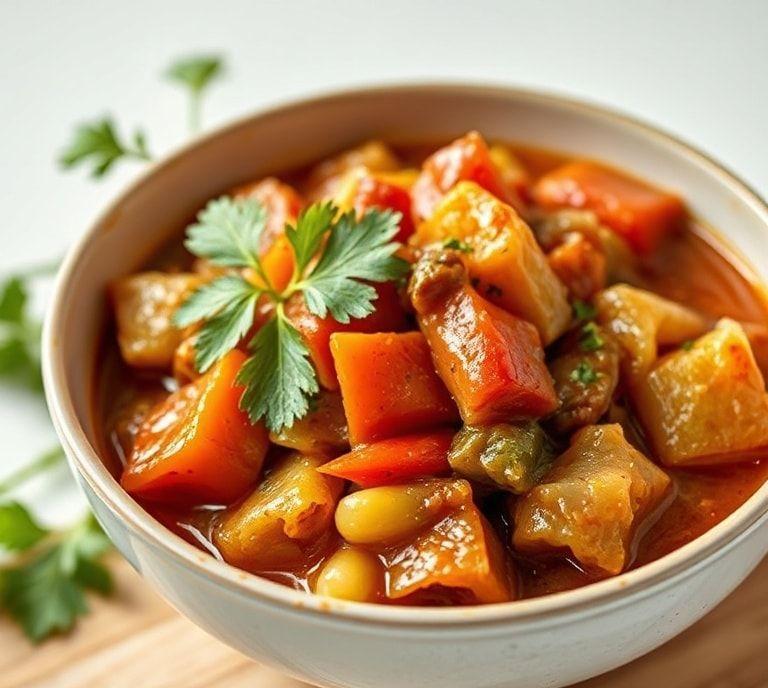
This recipe is all about celebrating the humble cabbage, elevating its earthy flavors with the perfect combination of vegetables, herbs, and spices. It’s simple enough for a weeknight meal, but flavorful enough to impress guests. If you’re someone who enjoys experimenting with different ingredients, you’ll love how versatile this dish can be.
Ingredients Needed
Here’s what you’ll need to make a pot of comforting vegetarian cabbage stew:
- 1 medium head of cabbage (roughly chopped)
- 1 tablespoon olive oil (or any oil you prefer)
- 1 onion (diced)
- 2 cloves garlic (minced)
- 2 medium carrots (peeled and chopped)
- 2 medium potatoes (peeled and diced)
- 1 celery stalk (chopped)
- 1 can (14.5 oz) diced tomatoes (or fresh tomatoes, chopped)
- 4 cups vegetable broth
- 1 teaspoon dried thyme
- 1 teaspoon dried rosemary (or fresh if available)
- 1 bay leaf
- Salt and pepper (to taste)
- 1 tablespoon apple cider vinegar (for a slight tang)
- A handful of fresh parsley (chopped for garnish)
This mix of ingredients is the foundation of the stew, but I’ll explain later how you can easily adapt it depending on what’s in your fridge or your dietary needs.
Cooking Instructions
Here’s how to bring it all together:
- Prep the Vegetables: Start by chopping the cabbage into bite-sized pieces, peel and dice the potatoes, and chop the carrots and celery into small, uniform pieces. If you’re using fresh tomatoes, chop them up as well.
- Sauté the Aromatics: In a large pot, heat the olive oil over medium heat. Add the diced onion and sauté for 4-5 minutes until it becomes soft and translucent. Add the minced garlic and sauté for another minute, until fragrant.
- Add the Vegetables: Toss in the carrots, potatoes, celery, and chopped cabbage. Stir everything around for a couple of minutes to get a little bit of color on the vegetables. It’s in this step where the flavors really begin to build.
- Simmer the Stew: Add the canned tomatoes (with juices), vegetable broth, thyme, rosemary, and bay leaf. Stir everything together and bring the mixture to a boil. Once it’s boiling, reduce the heat to low, cover the pot, and let it simmer for about 40-45 minutes. You’ll know it’s ready when the vegetables are tender, and the flavors have melded together.
- Season and Finish: Once the stew is done, remove the bay leaf and taste for seasoning. Add salt and pepper to taste. For a little extra brightness, add a tablespoon of apple cider vinegar-this will balance the sweetness of the vegetables with a bit of acidity.
- Serve: Ladle the stew into bowls and garnish with fresh parsley for a burst of color and freshness. If you have some crusty bread on hand, this stew is perfect for dipping.
Ingredient Science Spotlight
Let’s dive into why the ingredients in this cabbage stew work so well together from a nutritional standpoint:
- Cabbage: This cruciferous vegetable is high in fiber, low in calories, and packed with antioxidants. It’s also a great source of vitamin K, which plays a role in bone health. Cabbage’s mild flavor makes it the perfect base for this stew, soaking up the herbs and broth without overpowering the other ingredients.
- Carrots and Potatoes: Both of these root vegetables bring natural sweetness and starch to the dish. Carrots are rich in beta-carotene, which the body converts into vitamin A, essential for eye health. Potatoes, on the other hand, provide complex carbohydrates that give the stew its hearty, filling nature.
- Herbs and Spices: Thyme and rosemary aren’t just aromatic; they also have anti-inflammatory properties and can aid digestion. The rosemary, in particular, is a great source of antioxidants, which help combat oxidative stress in the body.
- Apple Cider Vinegar: Adding vinegar might seem unusual in a stew, but its acidity balances the sweetness of the vegetables and helps to bring out the depth of flavors. Plus, apple cider vinegar can aid in digestion and support a healthy gut.
Expert Tips
- Don’t Skimp on the Broth: The broth is the backbone of the flavor in this stew. Using a good-quality vegetable broth (or homemade if you have it) will elevate the dish. If you’re in a pinch, low-sodium broth works just as well.
- Let It Sit: Like many stews and soups, this one actually improves if you let it sit for an hour or two after cooking. This allows the flavors to marry together even more. If you have leftovers, they’ll taste even better the next day.
- Use Fresh Herbs When You Can: Fresh thyme or rosemary, if you can find them, will bring a burst of flavor that dried herbs sometimes can’t match. If you can’t get fresh, don’t worry-dried herbs are just fine!
Recipe Variations
The beauty of this stew is that you can make it your own. Here are a few variations to consider:
- Add Some Beans: If you’re looking for a protein boost, add a can of white beans (such as cannellini or great northern beans) about halfway through cooking. They’ll blend seamlessly into the stew and provide a creamy texture.
- Spicy Kick: For some heat, consider adding a pinch of red pepper flakes or a chopped chili pepper with the onions and garlic at the beginning of cooking.
- Vegan or Gluten-Free: This recipe is naturally vegan and gluten-free, but if you want to add a touch of richness, you can stir in a bit of coconut milk or plant-based cream towards the end of cooking.
- Smoked Paprika or Liquid Smoke: If you want to give your stew a smoky flavor, try a teaspoon of smoked paprika or a dash of liquid smoke. It’s a fantastic way to add depth without needing meat.
Final Words
This vegetarian cabbage stew is an honest-to-goodness comfort food that doesn’t require fancy ingredients or hours of prep time. It’s a great meal for busy weeknights, but it also holds its own at a dinner party when you want something light yet satisfying. I love that it’s versatile-you can easily switch up the vegetables depending on what’s in season or what you have on hand. Plus, it’s the kind of dish that always tastes better the next day, making it perfect for meal prepping.
FAQs
What Ingredients Are Essential For A Vegetarian Cabbage Stew?
A basic vegetarian cabbage stew typically includes green or Savoy cabbage, carrots, onions, garlic, celery, potatoes, and vegetable broth. Optional ingredients for added flavor include tomatoes, bell peppers, beans, or herbs like thyme and bay leaves. Olive oil or another cooking oil is used for sautéing the vegetables.
How Can I Make The Cabbage Stew More Flavorful Without Using Meat?
To enhance flavor in a vegetarian cabbage stew, start by sautéing onions, garlic, and spices like paprika or cumin to build a rich base. Using vegetable broth instead of water, adding tomatoes or tomato paste, and incorporating herbs such as thyme, bay leaves, or parsley also adds depth. A splash of soy sauce or a sprinkle of smoked paprika can add umami, making the stew taste heartier.
What Is The Best Method To Cook Cabbage Stew So It’s Tender But Not Mushy?
To achieve tender but not mushy cabbage, first sauté the harder vegetables like carrots and potatoes. Then add the cabbage and liquid, and simmer gently over low to medium heat for 20-30 minutes. Avoid boiling aggressively, as this can break down the cabbage too much. Cooking in stages and adding cabbage later ensures it retains some texture while still absorbing flavors.