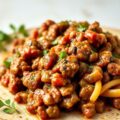
There’s something about a homemade sausage that feels both comforting and a little adventurous. Whether you’re transitioning to a plant-based lifestyle, looking for a lighter alternative, or just want to experiment with your food, making your own vegetarian sausages at home is a game changer.
I remember the first time I tried a veggie sausage. I wasn’t expecting much. It was the kind of thing I thought, ’Well, it’s a sausage. How can it be that different?’ But then I took that first bite and was blown away by the flavor and the texture-it was hearty, savory, and surprisingly satisfying. And that’s the thing about cooking your own plant-based meals: you can make them taste just the way you want. Plus, there’s a lot of room to get creative.
Making your own veggie sausages not only means you’re in control of the flavors but also of the ingredients. And the best part? It’s much easier than you might think. In this guide, I’ll walk you through a simple vegetarian sausage recipe that’s packed with flavor, customizable, and full of healthy ingredients. So, let’s get started!
Easy Vegetarian Sausage Recipe

The beauty of this recipe lies in how simple and flexible it is. Whether you’re a beginner in the kitchen or a seasoned cook, you’ll be amazed at how quickly you can make your own sausages. The foundation of this recipe uses basic pantry ingredients, but it packs a punch in terms of flavor.
I’ve made this recipe dozens of times, and each time it feels like a little adventure. It’s almost like a build-your-own sausage experience-you get to choose the spices, add some flair with extra ingredients, and taste as you go.
Ingredients Needed
The key to any good sausage is texture and flavor. This recipe balances both with a combination of hearty ingredients that you can feel good about eating. Here’s what you’ll need:
- 1 cup cooked lentils – Lentils are a great base for veggie sausages because they provide a meaty texture and lots of protein.
- 1 cup breadcrumbs – This helps to bind everything together and adds a little fluffiness to the sausage.
- 1/2 cup grated carrot – Carrots give a subtle sweetness and a slight crunch.
- 1/2 cup finely chopped onion – Adds depth to the flavor.
- 2 cloves garlic, minced – The aroma of garlic cooking with the onion is one of my favorite parts of this recipe.
- 2 tbsp soy sauce or tamari – Brings in that savory, umami flavor that sausages are known for.
- 1 tsp dried thyme – A classic herb that complements the earthy flavors.
- 1 tsp smoked paprika – This adds a nice smoky depth.
- 1/2 tsp black pepper – For a little kick.
- 1 tbsp olive oil – For sautéing the veggies and adding richness.
- 1 tbsp ground flaxseed – Mixed with water, this acts as a binder and gives a slight nutty flavor.
- 1/4 cup nutritional yeast – A vegan essential for cheesy, savory notes.
- 1/2 tsp liquid smoke (optional) – If you’re craving that extra smoky flavor, this is the secret ingredient.
Cooking Instructions
Making these sausages is simpler than you might think. Here’s how I do it:
- Prepare the Flax Egg: In a small bowl, mix the ground flaxseed with 2 tbsp water. Let it sit for about 5 minutes until it thickens into a gel-like consistency. This will help bind the sausages together without the need for egg.
- Sauté the Vegetables: In a large skillet, heat the olive oil over medium heat. Add the onion, garlic, and grated carrot. Sauté until the onion softens and the garlic becomes fragrant, about 3-5 minutes. Stir in the smoked paprika and thyme, then remove from heat and let cool slightly.
- Mash the Lentils: In a large bowl, mash the cooked lentils with a potato masher or fork until they’re mostly mashed but still a little chunky. The texture is key here-too smooth and it won’t hold up like a sausage; too lumpy and it won’t come together.
- Combine the Ingredients: Add the sautéed veggies, breadcrumbs, nutritional yeast, soy sauce, black pepper, and the flax egg to the mashed lentils. Stir everything together until it’s well mixed. Taste the mixture and adjust seasonings as needed. If you want it smokier, add more smoked paprika or liquid smoke.
- Shape the Sausages: Divide the mixture into 4-6 portions, depending on how big you want your sausages. Roll each portion into a log shape, pressing it gently to ensure they hold together.
-
Cook the Sausages: You can cook the sausages a couple of ways:
- Pan-fry: Heat a little olive oil in a skillet over medium heat. Add the sausages and cook for 3-5 minutes on each side until they’re golden brown and crispy.
- Bake: Preheat the oven to 375°F (190°C). Place the sausages on a lined baking sheet and bake for about 25-30 minutes, flipping halfway through.
Ingredient Science Spotlight
The ingredients in this recipe aren’t just for flavor-they work together to create the ideal sausage texture and structure. Let’s take a moment to talk about a few key players.
- Lentils: Lentils are a fantastic protein source, and their texture mimics that of traditional meat sausage surprisingly well. They’re also rich in fiber and nutrients like iron, making them an excellent meat alternative. By mashing them, you get that crumbly yet substantial texture that forms the base of your veggie sausage.
- Ground Flaxseed: When mixed with water, flaxseed becomes gel-like, which is exactly what you need to help bind the sausage without eggs. Plus, it brings in omega-3 fatty acids, which are good for heart health.
- Nutritional Yeast: If you haven’t yet discovered nutritional yeast, it’s a must in plant-based cooking. It’s what gives your sausage that rich, umami flavor, reminiscent of cheese or meat. It’s also packed with B-vitamins, especially B12, which is important for vegans.
- Smoked Paprika: Smoked paprika is one of those spices that elevates everything. It gives a deep, smoky flavor to the sausages without needing actual smoke. It’s a game changer in veggie recipes that want to mimic the flavors of traditional meat dishes.
Expert Tips
- Texture Tip: If you want a firmer sausage, increase the amount of breadcrumbs or reduce the amount of moisture from the cooked vegetables. Conversely, if you like a softer sausage, feel free to add a little more water or soy sauce.
- Spice It Up: Don’t be afraid to experiment with spices! Try adding chili flakes for some heat, or go international with herbs like oregano or basil. The great thing about this recipe is its versatility. You can make it as spicy or as mild as you like.
- Rest Before Cooking: Let the sausage mixture rest in the fridge for at least 30 minutes before shaping. This helps the ingredients meld together and makes the sausages easier to handle.
- Freezing: If you make a batch of sausages and want to save some for later, freeze them before cooking. Place the uncooked sausages on a baking sheet and freeze until solid, then transfer to a zip-top bag for long-term storage. When you’re ready to cook, just pop them in the pan or oven, straight from the freezer.
Recipe Variations
The beauty of this veggie sausage recipe is that you can make it your own! Here are a few variations to consider:
- Mushroom and Walnut Sausage: For a heartier, more earthy flavor, add finely chopped mushrooms and toasted walnuts. These additions give the sausages a meaty bite and extra depth of flavor.
- Italian-Style Sausage: Add fennel seeds, dried oregano, and a little red pepper flakes for an Italian-inspired twist. Perfect for serving with pasta or on a sub roll.
- Breakfast Sausage: Swap the soy sauce for maple syrup, add sage, and a bit of cinnamon for a sweet-savory breakfast sausage that pairs beautifully with vegan pancakes.
- Chickpea and Spinach Sausage: Instead of lentils, use chickpeas and mix in a handful of spinach for a vibrant green sausage that’s packed with extra nutrients.
Final Words
Homemade vegetarian sausages are so much more than just a meat substitute. They’re a celebration of all the delicious flavors that plant-based ingredients have to offer. You can play around with the spices, textures, and seasonings to create a sausage that’s uniquely yours.
Plus, making your own sausages means you’re avoiding the preservatives and additives often found in store-bought versions. You can control what goes in, and it’s a great way to experiment in the kitchen.
FAQs
What Ingredients Do I Need To Make An Easy Vegetarian Sausage At Home?
To make easy vegetarian sausages, you typically need plant-based protein sources such as lentils, chickpeas, or textured vegetable protein. Additional ingredients include oats or breadcrumbs for binding, finely chopped vegetables like onions, garlic, and bell peppers for flavor, soy sauce or tamari for seasoning, and spices such as paprika, fennel seeds, thyme, or sage to replicate traditional sausage flavors. Olive oil or another neutral oil is often used for cooking or browning.
How Can I Ensure My Vegetarian Sausages Hold Together Without Falling Apart?
The key to preventing vegetarian sausages from falling apart is using proper binding agents and the correct moisture ratio. Ingredients like breadcrumbs, oats, chickpea flour, or cooked rice absorb excess moisture and help hold the mixture together. Make sure the mixture is firm enough to shape, and refrigerate it for 30-60 minutes before cooking to allow it to set. When cooking, avoid excessive flipping or pressing, as this can break the sausages.
What Are Some Simple Cooking Methods For Homemade Vegetarian Sausages?
Homemade vegetarian sausages can be cooked using several methods. Pan-frying over medium heat with a small amount of oil creates a crispy exterior while keeping the inside tender. Baking in the oven at 375°F (190°C) for 20-25 minutes is another easy method, often flipping halfway through for even cooking. Steaming is also an option if you prefer a softer texture. Vegetarian sausages can be added to pasta, sandwiches, stir-fries, or served with sauces just like traditional sausages.