I’ve always had a soft spot for dishes that are both comforting and hearty, and one of those recipes that consistently hits the mark is goulash. Goulash is one of those meals that can easily take you back in time-whether it’s the memories of sitting around the dinner table with family or discovering the recipe in a dusty old cookbook you found at a secondhand store. What I love about goulash is its versatility, its rich flavors, and how it can transform with just a few tweaks. As someone who’s tried different variations over the years, I can confidently say that a vegetarian version of goulash can be just as satisfying, if not more so, than the meaty original.
Whether you’re a vegetarian, just looking to cut down on meat, or simply curious about experimenting with new flavors, this recipe is for you. I’ve crafted a version that keeps all the soul-warming goodness of the traditional dish while making it plant-based.
Goulash Vegetarian Recipe
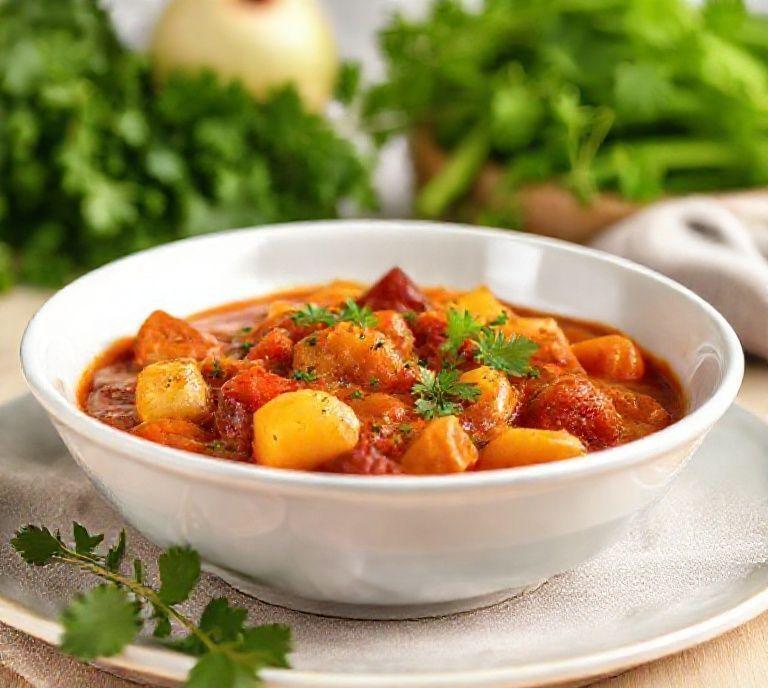
I first started making vegetarian goulash when I was experimenting with plant-based meals and wanted to recreate the flavors of classic comfort food without the meat. What I found was that vegetables can take on such rich and hearty textures when stewed together. It’s amazing how simple ingredients, like beans, tomatoes, and bell peppers, can come together to create something so full of flavor.
What makes this version of goulash so great is its layers of taste-earthy beans, sweet bell peppers, and that signature depth of flavor from paprika. You don’t even need the meat to feel full after one of these meals. It’s satisfying, hearty, and packed with nutrients.
Ingredients Needed
For a vegetarian goulash that feels indulgent but also nutritious, here’s what you’ll need:
- Olive oil (for sautéing, adds a rich base to the dish)
- Onions (about 1 large, diced; adds sweetness and depth to the dish)
- Garlic (3-4 cloves, minced; garlic is the aromatic powerhouse)
- Bell peppers (2, diced; any color works, but red and yellow add sweetness)
- Carrots (2 medium, peeled and sliced; they provide a natural sweetness)
- Tomatoes (either fresh or canned, about 2 cups worth; for a juicy, tangy base)
- Vegetable broth (4 cups, the backbone of your stew; you can make your own or buy it pre-made)
- Beans (1 can each of kidney beans and chickpeas, drained and rinsed; the legumes give the dish body and protein)
- Paprika (2 tablespoons, smoked paprika if you have it for extra flavor)
- Dried thyme (1 teaspoon; gives an earthy, subtle backdrop to the dish)
- Bay leaves (2; adds complexity and aroma)
- Salt and pepper (to taste)
- Optional garnish: Chopped fresh parsley or a dollop of sour cream for extra richness
Cooking Instructions
Now, let me walk you through the steps. It’s simple, but the key is to let those ingredients really meld together.
- Sauté the base: Heat a tablespoon of olive oil in a large pot or Dutch oven over medium heat. Add the diced onions and cook for about 5 minutes, stirring occasionally, until they’re softened and slightly caramelized. Add the garlic, and cook for another 1-2 minutes until it’s fragrant-don’t let it burn!
- Add the veggies: Toss in the diced bell peppers and carrots, and cook for another 5 minutes. You want them to soften, but they’ll continue cooking as you add the rest of the ingredients.
- Build the flavor: Stir in the paprika, thyme, and bay leaves. This is the moment when you’ll smell the magic starting to happen. Let the spices toast for about 1 minute in the pan before you pour in the tomatoes. If you’re using canned tomatoes, add them along with their juices; if fresh, chop them and toss them in.
- Simmer it down: Pour in the vegetable broth, then bring everything to a simmer. Reduce the heat, cover the pot, and let it cook for about 20-30 minutes. This allows all the flavors to combine, and the vegetables to soften beautifully.
- Add the beans: Stir in the beans and simmer for an additional 10 minutes. This gives the beans time to absorb the rich flavors of the broth.
- Final seasoning: Taste the goulash, and adjust the salt and pepper as needed. If you prefer a tangy kick, this is the time to throw in a teaspoon of apple cider vinegar (it really brightens everything up!).
- Serve and garnish: Ladle the goulash into bowls and garnish with fresh parsley or a spoonful of sour cream. This adds a bit of creaminess that pairs perfectly with the rich, smoky broth.
Ingredient Science Spotlight
One of my favorite things about goulash is how each ingredient contributes not just to the flavor, but also to the texture and the chemistry of the dish. Take the paprika, for instance. That smoky, earthy spice isn’t just for taste-it interacts with the tomatoes to create a more complex depth of flavor. The smoked paprika in particular has a compound called pyrazine, which gives it that smokey essence. Meanwhile, the beans act as a perfect foil to the rich broth, absorbing all that spice and providing a nice creamy texture.
The vegetable broth is crucial because it’s the liquid that carries all the flavors and helps everything blend together. If you don’t use a good-quality broth, it can be hard to get the full savory impact you want from the dish. So, I highly recommend finding a good, low-sodium version or even making your own if you have time!
Expert Tips
- Don’t rush the caramelization: When sautéing the onions, let them get a little golden. This is where a lot of the base flavor comes from, so don’t skip it.
- Use dried herbs: While fresh herbs are wonderful, dried thyme and bay leaves really shine here. They impart a deep, aromatic flavor that fresh herbs can’t quite match in stews like this.
- Play with the beans: Feel free to experiment with different types of beans. While kidney beans and chickpeas work beautifully here, you can use black beans, navy beans, or even lentils for a slightly different texture.
- Let it rest: Stews like this tend to taste even better the next day, so if you have the time, let it sit in the fridge for a few hours or overnight. The flavors really have a chance to meld together.
Recipe Variations
This recipe is incredibly adaptable. If you want to add a twist, here are some ideas:
- Smokier flavor: Add a bit of liquid smoke or extra smoked paprika to give the dish more of a barbecue feel.
- Spicy kick: If you love heat, toss in a diced jalapeño or a dash of cayenne pepper for some zing.
- Creamier version: Stir in some coconut milk or cashew cream to make the dish extra velvety.
- Add greens: Wilt in some spinach or kale at the end of cooking for an extra boost of nutrients and color.
Final Words
What makes this goulash truly special is how simple yet fulfilling it is. It’s the kind of meal you can make when the weather turns cold or when you want something hearty and satisfying without having to spend hours in the kitchen. And honestly, once you’ve made this dish once, you’ll find yourself coming back to it time and again, tweaking little things along the way until it becomes your own signature version.
FAQs
What Ingredients Are Typically Used In A Vegetarian Goulash?
A vegetarian goulash typically includes ingredients like onions, garlic, bell peppers, carrots, potatoes, tomatoes, and beans. Tofu or seitan can be used as a meat substitute, while vegetable broth or water is used as the base. Paprika is a key seasoning in goulash, giving it its signature flavor. Herbs like thyme, bay leaves, and marjoram are often added for depth.
Can I Make A Vegan Version Of Vegetarian Goulash?
Yes, vegan goulash is easily achievable by replacing any non-vegan ingredients with plant-based alternatives. For example, use olive oil instead of butter, vegetable broth instead of any meat-based broth, and replace sour cream (often used as a garnish) with a dairy-free version made from cashews or coconut milk.
How Can I Make My Vegetarian Goulash Spicier?
To add heat to your vegetarian goulash, you can include spicy ingredients such as chili flakes, cayenne pepper, or fresh chopped hot peppers like jalapeños or Hungarian wax peppers. Additionally, adding a bit of smoked paprika or hot paprika can give both heat and a smoky flavor to the dish.