There’s something about a plate of pasta that feels like home, no matter where you are. Maybe it’s the comforting texture, or the way it holds onto a sauce like a memory you want to keep forever. When I think about spaghetti, I think of afternoons spent stirring sauce on the stove while the whole house fills with a smell so comforting you can’t help but smile. Spaghetti doesn’t just bring people to the table; it brings them together. And when you make it vegetarian, you not only craft a dish that’s both light and hearty, but you also create something that celebrates the versatility of simple, wholesome ingredients.
This isn’t just any spaghetti recipe. It’s a dish designed to bring out the best of plant-based ingredients, rich in flavor, satisfying textures, and a burst of color that makes every bite a delight. It’s a dish you can customize, make your own, and be proud of.
Let’s dive into how to make a classic vegetarian spaghetti that is both easy to prepare and incredibly rewarding to eat.
Spaghetti Pasta Vegetarian Recipe
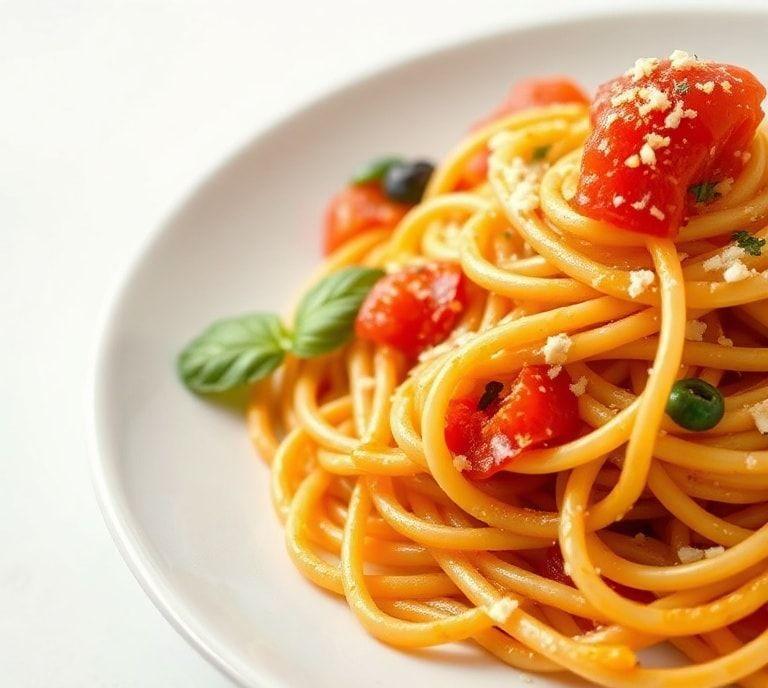
This spaghetti recipe doesn’t just sit on your plate; it invites you to savor every single bite. With tender noodles and a robust, flavorful sauce, you get a perfect balance of fresh vegetables and a hint of garlic, tomato, and olive oil. The beauty of this dish is in its simplicity-each ingredient shines through, without being overwhelmed by too many layers of flavor.
And while this is a vegetarian dish, it’s so full of flavor, no one will miss the meat. In fact, it might just make you appreciate how delicious vegetables can be when treated with a little respect and care.
Ingredients Needed
For this dish, you’ll need the following ingredients:
- Spaghetti (around 400g or 14 oz): The backbone of the dish, the pasta itself. Go for quality pasta here-one that’s dense enough to hold the sauce without turning mushy.
- Olive oil (3 tbsp): The base for sautéing. It brings richness to the dish and adds a layer of fruitiness that complements the vegetables.
- Garlic (4 cloves, minced): No spaghetti recipe is complete without garlic. It’s the unsung hero of pasta dishes, delivering savory depth and aroma.
- Cherry tomatoes (250g, halved): Fresh, juicy tomatoes will balance the richness of the oil and garlic while adding bursts of sweetness and acidity.
- Zucchini (1 medium, diced): A light and slightly sweet vegetable, zucchini offers a nice contrast in texture while absorbing the flavors of the sauce.
- Bell pepper (1, diced): Adds a pop of color and a sweet, earthy flavor to the mix.
- Red onion (1 small, finely chopped): A slightly sharp, sweet flavor that rounds out the vegetables in the sauce.
- Spinach (2 cups, roughly chopped): A leafy green that wilts perfectly into the sauce, offering both nutrition and a delicate earthy flavor.
- Basil (1 tbsp fresh, chopped): Fresh basil at the end adds a lovely herbal note and a burst of freshness.
- Parmesan or vegan cheese (to taste): Optional, but a good sprinkle of cheese at the end can elevate this dish into something special.
- Salt & pepper (to taste): Essential to bring all the flavors together.
Cooking Instructions
- Boil the Pasta: Begin by bringing a large pot of salted water to a boil. Add the spaghetti and cook according to package instructions, usually 8-10 minutes, until al dente. Drain the pasta, but make sure to reserve a cup of pasta water-it’s liquid gold for the sauce later.
- Sauté the Vegetables: While your pasta is cooking, heat olive oil in a large skillet over medium heat. Add the garlic and let it sizzle for about 30 seconds until fragrant-don’t let it brown! Add the onions and cook until they’re translucent, about 2-3 minutes. Toss in the bell pepper and zucchini, cooking for another 5 minutes, until they start to soften.
- Add Tomatoes & Spinach: Stir in the cherry tomatoes and cook for another 4-5 minutes, allowing them to release their juices and soften. The tomatoes will break down a bit, adding a natural sweetness to the sauce. Then, add the spinach and let it wilt into the vegetables.
- Combine Pasta & Sauce: Once the vegetables are ready, toss in the cooked spaghetti. Add a splash of reserved pasta water to help the sauce coat the noodles. Stir everything together, and allow the pasta to absorb the flavors for 2-3 minutes.
- Finish with Fresh Herbs: Remove the skillet from the heat and stir in the fresh basil. Season with salt and pepper to taste.
- Serve: Plate the spaghetti, topping with a generous sprinkle of Parmesan or vegan cheese if you like, and perhaps an extra leaf of basil for garnish.
Ingredient Science Spotlight
Let’s take a quick detour into the science behind some of the ingredients here. Ever wonder why pasta and sauce are such a perfect match? Pasta’s surface is rough and porous, which allows it to hold onto sauces. The starch in pasta also releases into the cooking water, making it slightly sticky, so the sauce has something to cling to. That’s why it’s always a good idea to save a little pasta water before draining-adding it to your sauce helps it adhere to the noodles better, making for a more flavorful and cohesive dish.
Then there’s the tomato. It’s an iconic ingredient, and for a reason. Tomatoes contain a compound called lycopene, a powerful antioxidant that’s enhanced by heat. So when you cook them in the sauce, they become even more beneficial for your health, adding a dose of cancer-fighting properties, while also creating that savory umami flavor we all crave. The zucchini, bell peppers, and spinach offer up vitamins and minerals, from vitamin C to iron, providing a healthy base that’s just as satisfying as it is nourishing.
Expert Tips
- Don’t overcook the vegetables: Keep the texture of your veggies in mind. They should be tender, but still have a little bite to them. Overcooking can make them mushy and lose their vibrant color.
- Use high-quality olive oil: The oil you use makes a big difference. Extra virgin olive oil, which is cold-pressed and unrefined, will bring a richer flavor to the dish.
- Save some pasta water: This is an easy step to overlook, but pasta water is key to getting the right sauce consistency. It’s full of starch, and when added to the sauce, it helps thicken and bind everything together.
- Toss the pasta in the sauce: Once your pasta is cooked, don’t just pour the sauce on top and serve it. Tossing it with the sauce in the pan helps the noodles absorb all the flavors and makes for a much tastier dish.
Recipe Variations
While this recipe is perfect as is, there’s plenty of room to get creative:
- Add Protein: Throw in some chickpeas, lentils, or a sprinkle of your favorite nuts to boost the protein content of the dish.
- Roast the Vegetables: For a different texture and a deeper flavor, try roasting the zucchini, peppers, and tomatoes in the oven before adding them to the pasta. This caramelizes the sugars and creates a more complex flavor.
- Spice It Up: If you like a little heat, throw in some red pepper flakes with the garlic or add a dash of hot sauce to the sauce mixture.
- Switch up the Greens: If spinach isn’t your favorite, you could swap in kale or arugula for a different flavor profile.
Final Words
This vegetarian spaghetti recipe is more than just a meal. It’s an opportunity to enjoy the simplicity of vegetables, bright flavors, and the perfect bite of pasta. Whether you’re preparing it for a weeknight dinner or a leisurely weekend meal, it’s a dish that’s both satisfying and comforting.
It’s the kind of recipe you’ll come back to time and time again, and it’s easy to see why. It’s healthy, easy to customize, and most importantly, it’s absolutely delicious.
FAQs
What Are Some Common Ingredients In A Spaghetti Pasta Vegetarian Recipe?
A typical spaghetti pasta vegetarian recipe includes ingredients like spaghetti, olive oil, garlic, tomatoes (fresh or canned), fresh herbs (such as basil or oregano), vegetables like zucchini, bell peppers, and mushrooms, as well as optional ingredients like parmesan cheese, chili flakes, and olives. For added protein, ingredients like lentils, chickpeas, or tofu may also be used.
Can I Make A Spaghetti Pasta Vegetarian Recipe Without Using Tomatoes?
Yes, you can make a spaghetti pasta vegetarian recipe without tomatoes. Instead of a tomato-based sauce, you can opt for alternatives such as a garlic and olive oil sauce, pesto, or a creamy white sauce made from ingredients like ricotta, cream, or cashews. Roasted vegetables or sautéed greens like spinach or kale can also serve as the base for the dish.
How Can I Make A Spaghetti Pasta Vegetarian Recipe Vegan-friendly?
To make a spaghetti pasta vegetarian recipe vegan-friendly, simply omit any dairy ingredients, such as cheese or cream, and substitute with plant-based alternatives. For example, use nutritional yeast or vegan parmesan for a cheesy flavor, and coconut cream or cashew cream for a creamy texture. Additionally, ensure the spaghetti is made without eggs by choosing a vegan-friendly pasta option.