If you’ve ever found yourself at the dinner table, craving a warm, comforting dish with rich flavors and a touch of elegance, then sukiyaki is a recipe that ticks all the boxes. While the classic sukiyaki often includes thin slices of beef, the vegetarian version is equally satisfying-offering layers of umami with fresh vegetables and tofu, all simmered together in a savory broth. In my mind, sukiyaki isn’t just a meal; it’s an experience. The way the rich aromas rise from the pot as you gently stir the broth, the soft sound of vegetables sizzling away-it’s a little slice of calm in an otherwise busy world. And the best part? It’s a dish that feels both simple and sophisticated, a perfect balance for any occasion.
I first stumbled across sukiyaki during a trip to Japan. There, it wasn’t just a meal-it was an experience shared with close friends, passed around the table family-style. The atmosphere was casual, the laughter was light, and the flavors were unforgettable. It made me appreciate how food can unite people, create memories, and celebrate the seasons-all through a single, communal pot. Now, I love recreating that magic in my own kitchen, especially with a vegetarian spin that suits both plant-based eaters and meat lovers alike.
So, let’s dive into a vegetarian sukiyaki recipe that might just bring the same warmth and comfort to your table as it did to mine.
Vegetarian Sukiyaki Recipe
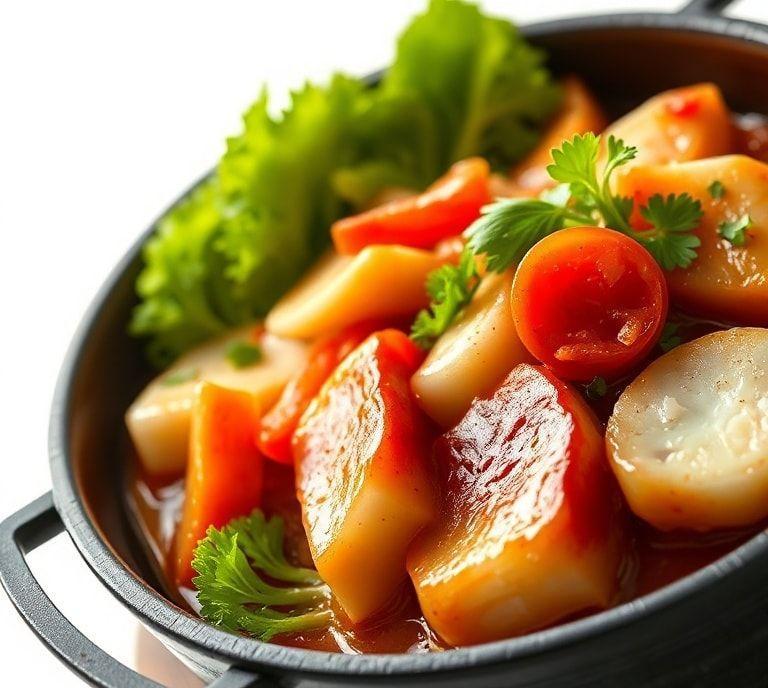
This recipe is a plant-based take on the classic Japanese sukiyaki, swapping out beef for tofu and an abundance of colorful, hearty vegetables. While it’s straightforward to make, the flavors are anything but ordinary. What I love most about sukiyaki is the balance of salty, sweet, and savory flavors, which come from the combination of soy sauce, mirin, and a touch of sugar. It’s rich yet light enough for any season, making it a versatile choice year-round.
Ingredients Needed
Here’s what you’ll need to pull off the perfect vegetarian sukiyaki. The good news? You won’t need any special gadgets-just a large pot or deep skillet, some quality ingredients, and a bit of patience.
The Broth
- Soy Sauce – Look for a good-quality, low-sodium soy sauce. This will form the backbone of the broth, giving it depth and umami.
- Mirin – This sweet rice wine will add a subtle sweetness that balances the salty soy sauce. If you can’t find mirin, you can substitute with a splash of rice vinegar and a little sugar, but mirin really helps define the dish.
- Sugar – Regular granulated sugar is just fine here. You’re looking for that slight sweetness to round out the salty and savory notes in the broth.
- Dashi (optional) – This is a Japanese broth made from kombu (dried seaweed) and bonito flakes, adding that deep umami flavor. You can find vegan versions that omit the bonito, or you can substitute with vegetable broth as an alternative.
- Sesame oil – A little bit of sesame oil adds richness and depth to the broth while keeping the dish light and aromatic.
Vegetables & Protein
- Tofu – Firm or extra-firm tofu works best. You’ll want it to hold its shape as it simmers in the broth. Press it first to get rid of excess water.
- Shiitake mushrooms – These are a sukiyaki staple. Their earthy flavor pairs beautifully with the broth.
- Chinese cabbage (Napa cabbage) – The delicate leaves of Napa cabbage soften perfectly in the broth and absorb the flavors of the dish.
- Carrots – Thinly sliced carrots add color and a bit of sweetness.
- Scallions (green onions) – They lend a mild sharpness and brighten up the dish.
- Tofu puffs (optional) – These are those little airy pieces of tofu that absorb the broth and become little flavor bombs. Not necessary, but they do add a fun texture.
Noodles & Garnishes
- Udon noodles – Thick, chewy, and satisfying, these noodles soak up the broth and bring everything together.
- Sesame seeds – For a little crunch and nuttiness to finish the dish.
Cooking Instructions
Making vegetarian sukiyaki isn’t complicated, but it does require a little bit of attention to detail. Here’s how to make the magic happen:
-
Prepare The Broth
In a large pot or deep skillet, combine the soy sauce, mirin, sugar, and sesame oil. Add dashi or vegetable broth, depending on what you’re using. Stir everything together and bring it to a gentle simmer over medium heat. You want to dissolve the sugar, but don’t let the broth boil too much-just a gentle simmer will do.
-
Prep The Tofu And Vegetables
While the broth is warming up, press your tofu to remove excess moisture. Then cut it into cubes or rectangles, depending on your preference. Slice the mushrooms, carrots, and cabbage into bite-sized pieces. You can keep the scallions whole or chop them into 1-inch pieces for easy stirring.
-
Add The Tofu And Vegetables
Once the broth is simmering, carefully add your tofu to the pot. Let it cook for about 5 minutes, allowing it to absorb some of the flavors. After that, add the carrots, mushrooms, and cabbage. Stir gently to coat everything in the broth. Cover the pot and let everything simmer for about 10-15 minutes, until the vegetables are tender.
-
Add The Noodles
If you’re using udon noodles, now’s the time to add them. Depending on whether your noodles are fresh or dried, you may need to cook them separately and then add them to the pot. Once the noodles are in, let everything cook for an additional 5 minutes or so.
-
Final Touches
Just before serving, sprinkle sesame seeds and scallions over the top for added texture and freshness. You can also serve the dish with a bowl of rice if you like to soak up all the flavorful broth.
Ingredient Science Spotlight
Tofu: It might seem like just a simple block of soy protein, but tofu is one of the most versatile ingredients in any kitchen. The key to making tofu a star in dishes like sukiyaki is in how you prepare it. When you press tofu to remove excess water, it becomes firmer, allowing it to hold its shape when simmered. Tofu also has an uncanny ability to absorb whatever flavors it’s cooked in, making it the perfect partner for a savory broth.
Shiitake Mushrooms: These mushrooms are prized for their umami-rich flavor, which enhances the overall depth of the dish. Their chewy texture holds up well during cooking, offering a satisfying bite without becoming mushy.
Mirin: The sweet, almost syrupy nature of mirin helps balance the salty elements of the soy sauce, making the dish more harmonious. Its natural sweetness comes from fermented rice, which adds a depth that regular sugar can’t quite match.
Expert Tips
- Pressing Tofu: If you want tofu with a firm texture that holds up well in the broth, make sure to press it for at least 20 minutes before cooking. You can even use a tofu press if you have one, but wrapping it in a clean kitchen towel and placing something heavy on top (like a cast iron skillet) works just as well.
- Customize the Broth: Don’t be afraid to adjust the seasoning! If you like a sweeter broth, add a little more sugar. If you’re a fan of a saltier flavor, bump up the soy sauce or even a touch of miso paste for additional depth.
- Batch Cooking: If you’re making sukiyaki for a group, you can prep the vegetables and tofu in advance. Just store them in the fridge and assemble everything in the pot when you’re ready to cook.
- Serving Tip: Sukiyaki is best served immediately, but you can also let it sit on the stove over very low heat to keep everything warm while you enjoy the conversation around the table. The flavors deepen as it rests.
Recipe Variations
- Add More Veggies: If you have other vegetables on hand, like bell peppers, zucchini, or snow peas, throw them in! The beauty of sukiyaki is in how adaptable it is-almost any vegetable will work.
- Miso Twist: For an added layer of flavor, you can stir a spoonful of white or red miso paste into the broth to give it more depth and richness.
- Gluten-Free Option: If you want a gluten-free version, make sure to use tamari instead of soy sauce and opt for gluten-free noodles or rice noodles.
- Protein Substitutes: While tofu is the classic vegetarian protein, tempeh could also be an interesting alternative, bringing a firmer texture and nuttier flavor to the dish.
Final Words
There’s something so magical about a dish like sukiyaki, where the flavors meld together slowly and develop complexity as you eat. The balance of sweet, salty, and umami is like a perfect symphony of flavors, and the fact that you can adjust it based on your preferences makes it an absolute winner for any dinner party or casual meal at home.
FAQs
What Ingredients Are Typically Used In A Vegetarian Sukiyaki Recipe?
A vegetarian sukiyaki recipe typically includes tofu, mushrooms (such as shiitake or enoki), napa cabbage, bok choy, carrots, and other vegetables like onions or sweet potatoes. The dish is flavored with a sukiyaki sauce made from soy sauce, sugar, mirin, and sake, and sometimes a vegetarian dashi or broth is used to replace the traditional beef-based stock.
Can I Use Plant-based Meat In A Vegetarian Sukiyaki Recipe?
Yes, plant-based meat options, such as tofu or tempeh, are often used in vegetarian sukiyaki as meat substitutes. Additionally, some recipes incorporate plant-based versions of meat such as seitan or vegan beef strips. These alternatives provide a satisfying texture and protein content while maintaining the essence of the dish.
How Do You Serve Vegetarian Sukiyaki?
Vegetarian sukiyaki is traditionally served in a shallow, cast-iron skillet or hot pot, where the ingredients are simmered in the sukiyaki sauce and broth. Once cooked, the dish is usually served with a bowl of steamed rice and can be enjoyed by dipping the cooked vegetables and tofu into raw beaten eggs, although the egg is optional in a vegan version. It’s often shared family-style, with everyone helping themselves to the simmered ingredients.