Growing up, I never quite understood the magic of Thai food until I had my first authentic bowl of Thai glass noodles. The texture, the balance of flavors, and the intricate combination of sweet, sour, salty, and spicy – it was an explosion of taste I hadn’t expected. The beauty of Thai cuisine lies in its simplicity; yet, when all the right ingredients come together, it’s anything but simple.
Over the years, I’ve come to realize that one of the dishes that best represents the essence of Thai cooking is Thai glass noodles – and, to make it even better, a vegetarian version. This dish is light, refreshing, and satisfying, making it perfect for any season. Whether you’re craving a light dinner, a healthy lunch, or just something to pair with your next homemade Asian feast, Thai glass noodles are an option you’ll keep coming back to. And best of all? It’s an absolute breeze to make.
If you’ve never worked with glass noodles before, let me tell you, they’re a game changer. They soak up flavors like a sponge, creating the perfect foundation for a dish that’s both flavorful and filling. And because they’re made from mung bean starch, they’re naturally gluten-free, which makes this a dish anyone can enjoy.
So, let’s dive into this easy, flavorful vegetarian recipe that’ll soon become a favorite in your rotation.
Thai Glass Noodles Vegetarian Recipe
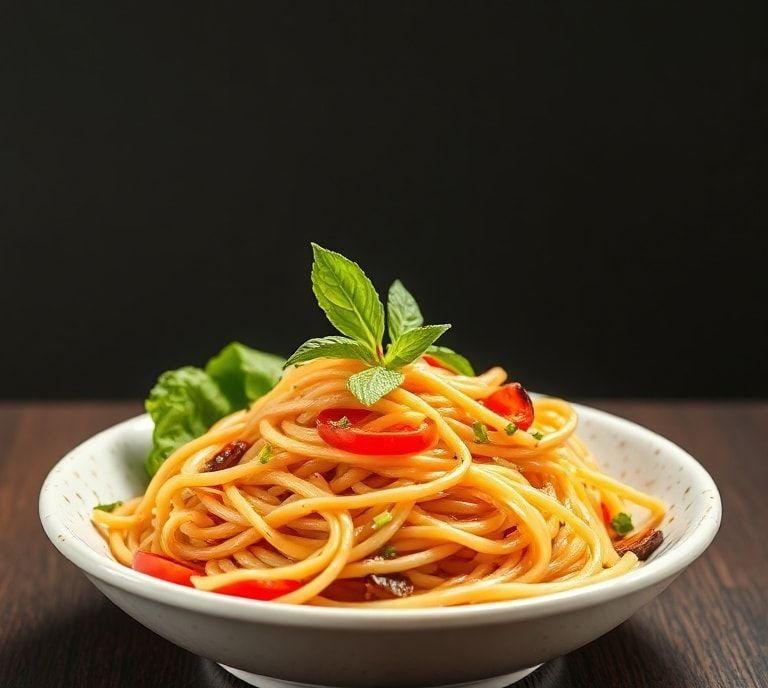
If you’ve ever been to a Thai restaurant, you might have tried Pad Woon Sen, the stir-fried Thai glass noodles. The combination of light noodles, vegetables, and that punchy sauce is something to be remembered. For this vegetarian version, I’ve stripped it down to the basics, but with all the essential flavors intact. Simple ingredients, a little time, and you’re ready to go.
Ingredients Needed
This is where things get fun. For a dish like Thai glass noodles, you want ingredients that are fresh and vibrant – ingredients that come together quickly and easily. Here’s what you’ll need:
- 100g Thai glass noodles (mung bean noodles): These are the star of the show. When cooked, they become translucent and have a delicate texture that soaks up flavors beautifully.
- 1 tablespoon vegetable oil: This will be used for stir-frying. You can also use sesame oil for a nuttier flavor.
- 2 cloves garlic, minced: Garlic is the backbone of many Thai dishes, and here it provides that signature depth of flavor.
- 1 medium carrot, julienned: Adds a lovely crunch and sweetness that balances the other ingredients.
- 1 bell pepper (red or yellow), thinly sliced: Bright, crisp, and sweet, with just a touch of bitterness to contrast the other flavors.
- 100g shiitake mushrooms, sliced: Mushrooms lend an earthy, umami flavor that pairs perfectly with the sauce.
- 1 cup cabbage, shredded: A common addition in Thai stir-fries, cabbage adds both texture and freshness.
- 2 tablespoons soy sauce: This provides the saltiness that the dish needs, but feel free to go for a low-sodium version if you’re keeping an eye on your salt intake.
- 1 tablespoon lime juice: A little tang from lime juice balances out the salty and sweet components.
- 1 tablespoon sugar (or coconut sugar): This adds that little hint of sweetness that Thai dishes are known for.
- 1 teaspoon chili flakes (optional): For those who enjoy a kick of spice, this is an optional addition to bring some heat to the dish.
- A handful of cilantro, chopped: Fresh herbs are a must in Thai cooking, and cilantro provides a fresh, citrusy note that finishes off the dish.
- 1 tablespoon roasted peanuts (optional): For a bit of crunch and nuttiness, but you can skip this if you’re looking for a smoother dish.
Cooking Instructions
Let’s get down to the fun part – cooking! I’m a huge believer in keeping things simple, and this dish is no exception.
- Soak the glass noodles: Start by placing your glass noodles in a large bowl of warm water. Let them soak for about 5-10 minutes, or until they become soft and pliable. Drain and set aside.
- Prepare the vegetables: While the noodles are soaking, go ahead and prep the veggies. Julienne the carrot, slice the bell pepper, and shred the cabbage. You want everything to be ready to go because stir-frying happens quickly.
- Stir-fry the garlic: In a large pan or wok, heat the vegetable oil over medium heat. Add the minced garlic and stir-fry for about 30 seconds until it becomes fragrant. This is your base flavor, so take your time to get it just right.
- Add the vegetables: Next, toss in the carrots, bell pepper, and shiitake mushrooms. Stir-fry them for about 3-4 minutes, until they just start to soften but still have a bit of bite. Add the cabbage last and give everything a good stir.
- Add the noodles: Once your veggies are looking good, add in the drained glass noodles. Use tongs or chopsticks to toss everything together. It’s a bit of a delicate process because the noodles are slippery, but trust me, it’s worth it.
- Season: Pour in the soy sauce, lime juice, sugar, and chili flakes (if using). Stir everything together and let it cook for another 2-3 minutes, allowing the noodles to absorb all the flavors.
- Finish it off: Once everything is well combined and heated through, remove from the heat. Sprinkle the cilantro and roasted peanuts (if using) on top before serving.
Ingredient Science Spotlight
Let’s take a moment to appreciate one of the stars of this dish: Thai glass noodles. Unlike pasta, which is typically made from wheat, these noodles are made from mung bean starch, which is naturally gluten-free. They’re translucent and absorb flavors like a sponge, making them a perfect base for stir-fries and soups. What makes them even more fascinating is their ability to retain their texture once cooked, unlike other noodles that can get mushy.
The magic of soy sauce and lime juice lies in the balance of umami and acidity. Umami, often described as a savory or meaty flavor, is present in both the soy sauce and the mushrooms, while the lime juice provides that bright, refreshing contrast. The sweetness from the sugar, along with the fresh cilantro, adds yet another layer, balancing the savory and the sour.
Expert Tips
- Don’t Overcook the Noodles: Glass noodles are delicate and can break if overcooked. Be sure to soak them only until they’re pliable, and don’t leave them in the hot water for too long.
- Use Fresh Veggies: Fresh vegetables, especially cabbage and bell peppers, contribute a ton of flavor and texture to the dish. It’s tempting to use frozen vegetables, but trust me, fresh is always better in this dish.
- Experiment with Tofu: If you want to add protein to this vegetarian dish, throw in some tofu. Pan-fry it until crispy and toss it in with the noodles for a satisfying addition.
- Adjust the Spice: If you’re sensitive to spice, start with just a pinch of chili flakes and adjust as needed. You can also use a fresh Thai chili if you prefer a fresher, more vibrant heat.
Recipe Variations
There are endless ways to adapt this recipe, depending on your tastes and what you have on hand:
- Add more greens: Consider adding spinach, kale, or bok choy for a boost of greens.
- Substitute soy sauce: For a gluten-free version, you can use tamari instead of regular soy sauce.
- Switch the veggies: Feel free to substitute the mushrooms with zucchini, baby corn, or even some snow peas for a change of texture and flavor.
- Make it a soup: If you’re craving a more comforting dish, add some vegetable broth and make it a soup! Just cook the noodles and veggies in the broth, then season as you would for the stir-fry.
Final Words
What I love most about this Thai glass noodle dish is that it doesn’t require any special skills or ingredients. It’s quick, simple, and made with the flavors that I crave when I’m in the mood for something comforting yet light. Whether you’re an experienced cook or a complete beginner, this dish will impress without overwhelming you.
The ingredients are straightforward, but they work together so perfectly to create something greater than the sum of its parts. Plus, this dish is naturally vegan and can be made gluten-free by using tamari instead of soy sauce. It’s the perfect meal to have on hand when you want something healthy, satisfying, and full of flavor.
FAQs
What Are Thai Glass Noodles Made Of?
Thai glass noodles, also known as ’sen lek’ or ’bean thread noodles’, are made from mung bean starch or sweet potato starch. These noodles are translucent when cooked and have a slightly chewy texture, which makes them a popular ingredient in many Thai dishes. They are naturally gluten-free and suitable for vegetarian and vegan recipes.
What Vegetables Work Best In A Thai Glass Noodles Vegetarian Recipe?
A variety of vegetables complement Thai glass noodles well, including bell peppers, carrots, zucchini, mushrooms, baby corn, and spinach. You can also add fresh herbs like cilantro and basil, and incorporate flavors from lime, garlic, and ginger to enhance the dish. Tofu is often included for protein, making it a complete vegetarian meal.
How Do I Cook Thai Glass Noodles For A Vegetarian Dish?
To cook Thai glass noodles, simply soak them in warm water for about 5-10 minutes until they become soft and translucent. Once soaked, drain the noodles and set them aside. For a vegetarian dish, stir-fry the noodles with vegetables of your choice, adding soy sauce, tamarind, or a vegetarian-friendly sauce to flavor the dish. Tofu or tempeh can also be added for extra protein.