There’s something special about a well-made curry. It’s more than just a meal-it’s an experience. A combination of rich spices, vibrant colors, and deep flavors that make you feel like you’re being transported to another place. I’ve always loved how a single dish can bring people together, whether you’re sharing it with family on a quiet evening or serving it to guests at a dinner party. The magic lies not just in the taste, but in the memories that it evokes.
Growing up, curry was a regular part of our meals. I remember the first time I had a vegetarian masala curry. I had never been particularly fond of vegetarian dishes at the time, but something about the blend of spices, the hearty vegetables, and the rich sauce turned me into an instant fan. I’ve since modified and perfected my recipe over time, finding the balance between bold flavors and nourishing ingredients. And today, I’m sharing that recipe with you.
Whether you’re a seasoned chef or a beginner in the kitchen, this vegetarian masala curry is an easy yet impressive dish to whip up. It’s versatile, too-perfect for those who are just trying out a meatless meal or for anyone looking to explore the wonderful world of plant-based cooking. So, let’s dive into the recipe!
Vegetarian Masala Curry Recipe
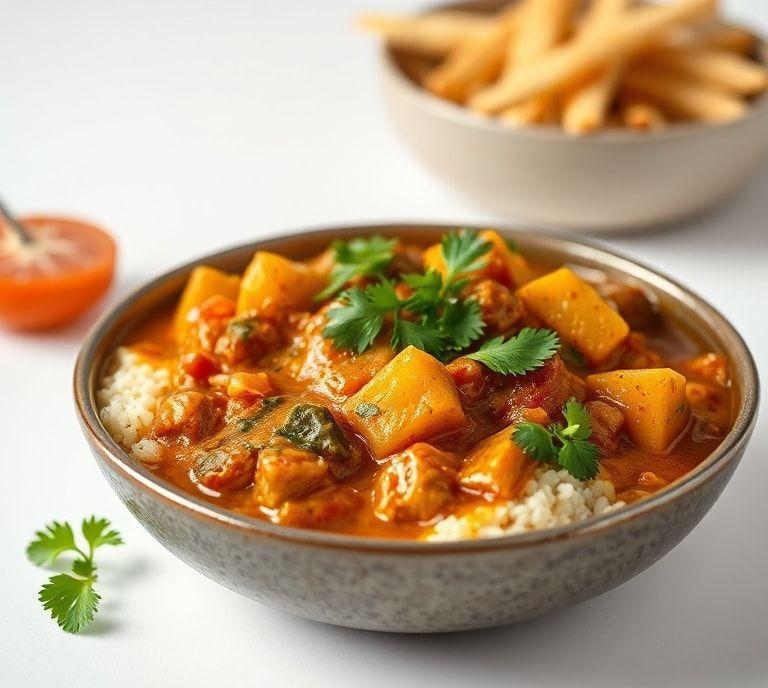
This vegetarian masala curry is a celebration of Indian spices, featuring tender vegetables in a rich, fragrant sauce. What makes this version stand out is its simplicity-it doesn’t require an extensive list of exotic ingredients, yet it packs all the punch of a traditional masala curry. Think of it as your gateway to Indian cuisine that you can make right in your own kitchen.
Ingredients Needed
Before you start, here’s a list of the key ingredients that will make this curry pop. Some might already be in your pantry, but a few might need a special trip to your local spice shop or international grocery store. Don’t worry though-these ingredients are totally worth it.
-
Vegetables
- 2 cups of cauliflower florets
- 1 large potato, peeled and cubed
- 1 medium-sized carrot, peeled and sliced
- 1 cup peas (frozen or fresh)
-
Base Ingredients
- 1 onion, finely chopped
- 3 cloves of garlic, minced
- 1-inch piece of ginger, minced
- 2 tomatoes, pureed (or 1 can of diced tomatoes)
- 1 tablespoon tomato paste
-
Spices
- 1 tablespoon garam masala (a signature spice blend)
- 1 teaspoon turmeric
- 1 teaspoon cumin
- 1 teaspoon coriander
- 1 teaspoon chili powder (adjust according to heat preference)
- 1/2 teaspoon ground cinnamon
- Salt to taste
- Fresh cilantro for garnish
-
Liquids And Others
- 1 can (14 oz) coconut milk (or heavy cream for a richer option)
- 1 cup vegetable broth (or water if you prefer)
- 2 tablespoons vegetable oil
Cooking Instructions
- Prep the Veggies: Start by prepping your vegetables-chop the potatoes, carrots, and cauliflower into bite-sized pieces. I find that chopping everything before cooking makes the process smoother, and I can focus on the spices while the veggies cook.
- Sauté the Aromatics: Heat the oil in a large pot over medium heat. Add the chopped onions and sauté for 5-7 minutes until they become golden and soft. This is the foundation of your curry, so take your time. Once the onions are ready, toss in the garlic and ginger. Let them sauté for another minute until fragrant-this is where the magic begins.
- Spices: Add the spices (garam masala, turmeric, cumin, coriander, cinnamon, and chili powder) to the onion mix. Stir them in and let them bloom for 2 minutes. You should start smelling the spices intensify as they toast in the oil. Be careful not to burn them, as spices can turn bitter if overcooked.
- Add Tomatoes and Liquids: Pour in the tomato paste and pureed tomatoes, stirring to combine. Let this mixture simmer for 5 minutes, allowing the tomatoes to cook down and meld with the spices. This step creates a rich, flavorful base for the curry.
- Cook the Vegetables: Add the potatoes, carrots, and cauliflower to the pot, followed by the vegetable broth. Bring to a simmer, cover, and cook for 15-20 minutes or until the vegetables are tender. You can also check with a fork to make sure they’re done.
- Finish with Coconut Milk: Once the vegetables are cooked through, stir in the coconut milk (or heavy cream) and peas. Simmer for another 5 minutes to combine everything. Taste and adjust seasoning as needed-sometimes a pinch of salt or a dash more chili powder can make a huge difference.
- Garnish: Just before serving, sprinkle fresh cilantro over the curry. This adds a burst of color and freshness that complements the richness of the sauce.
- Serve: Serve your masala curry with warm basmati rice or naan for a complete meal. You can also serve it with a side of yogurt if you want to balance the heat.
Ingredient Science Spotlight
One of the best parts of cooking with spices is understanding how they work together. Each ingredient in this curry contributes not just flavor, but also health benefits.
- Garam Masala: This spice blend is typically made of cinnamon, cumin, coriander, and cardamom. It’s warming and comforting, known for aiding digestion and boosting metabolism. Plus, its aroma is simply intoxicating.
- Coconut Milk: This adds creaminess and a hint of sweetness to the curry. It’s also a great source of healthy fats, which help absorb fat-soluble vitamins and minerals. Coconut is a natural anti-inflammatory as well, making it perfect for soothing a sensitive stomach.
- Turmeric: Known for its bright yellow color, turmeric is also a powerhouse for its anti-inflammatory and antioxidant properties. It’s said to support joint health, reduce the risk of chronic diseases, and even improve brain function.
Expert Tips
- Balancing Spice and Heat: If you like a spicier curry, you can increase the chili powder, but if you want a more mellow flavor, reduce the heat and add a bit more coconut milk to balance things out.
- Make Ahead: This curry tastes even better the next day after the flavors have had time to meld. If you’re meal prepping, it’s a great option to make in advance and reheat.
- Texture Variations: For a smoother, velvety sauce, you can blend a portion of the curry before serving. This creates a thicker sauce without needing a ton of extra ingredients.
- Fresh Ginger and Garlic: Whenever possible, opt for fresh ginger and garlic. The difference in flavor is significant compared to powdered or jarred versions, and they contribute a fresh, zesty element to the curry.
- Freezing: If you make a large batch, this curry freezes beautifully. Just make sure to let it cool completely before transferring to an airtight container. Reheat it over low heat, adding a splash of water or broth if necessary.
Recipe Variations
This recipe is a wonderful base for experimenting with different ingredients. You can swap in other vegetables, such as bell peppers, zucchini, or spinach. If you’re not a fan of coconut milk, you can use cashew cream or even dairy cream for a richer flavor. Adding a protein like chickpeas, tofu, or paneer would also make this dish heartier, transforming it into a complete meal. The possibilities are endless!
Final Words
Cooking a masala curry at home doesn’t need to be intimidating. With the right ingredients and a bit of patience, you can create a flavorful, nourishing dish that will become a family favorite. The beauty of curry lies in its flexibility-you can tweak it to your heart’s content, adjusting the spices, adding your favorite veggies, or even making it spicier or milder depending on your preference.
FAQs
What Are The Key Ingredients Needed For A Vegetarian Masala Curry?
The key ingredients for a vegetarian masala curry typically include a variety of fresh vegetables (such as potatoes, carrots, peas, cauliflower, and bell peppers), onions, tomatoes, garlic, ginger, and a mix of aromatic spices like cumin, coriander, turmeric, garam masala, and chili powder. Additionally, coconut milk or yogurt may be added for a creamy texture, and cilantro is used for garnish.
How Can I Make My Vegetarian Masala Curry Spicier?
To make your vegetarian masala curry spicier, you can increase the amount of chili powder or add fresh green chilies during the cooking process. Another option is to incorporate chili flakes or cayenne pepper to adjust the heat level to your preference. Additionally, you can use a spicier variety of garam masala or add a pinch of black pepper.
Can I Make A Vegetarian Masala Curry Ahead Of Time?
Yes, you can make a vegetarian masala curry ahead of time. In fact, it often tastes better the next day as the flavors have had time to meld. To prepare in advance, cook the curry, let it cool, and store it in an airtight container in the refrigerator for up to 3-4 days. You can reheat it on the stove, adding a little water or coconut milk to adjust the consistency if necessary.