Let’s talk squash-specifically, a recipe that can turn this humble vegetable into something magical. I remember the first time I had squash in a vegetarian dish. It wasn’t the canned kind you find sitting on the bottom shelf of the grocery store. No, it was roasted to perfection, with just a hint of caramelization that gave it depth and richness. I was at a cozy little dinner party, and the squash was part of a larger spread of seasonal vegetables. At first, I wasn’t sure what to expect. But one bite in, and I was hooked. There’s something about squash that’s both comforting and versatile, making it the perfect ingredient for any meal-whether you’re vegetarian or not. This recipe takes that earthy sweetness of squash and makes it the star of the show, with flavors and textures that will leave you feeling satisfied.
Squash Vegetarian Recipe
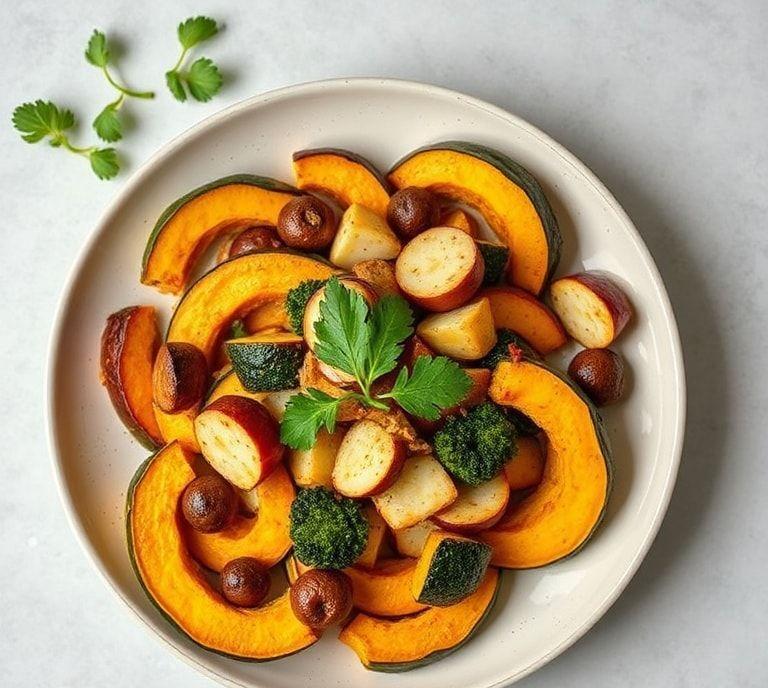
What I love about this squash vegetarian recipe is that it’s not fussy or complicated, yet it packs so much flavor. It’s the kind of dish you can make on a weeknight when you’re looking for something nourishing, or serve as a side dish at a special dinner. The beauty of squash lies in its ability to adapt to whatever seasonings or flavors you throw at it, but in this version, we bring out its natural sweetness while balancing it with some savory herbs and a little bit of heat. This recipe will transform squash from a simple vegetable to a celebration of autumn flavors, with roasted notes and a bit of a smoky depth.
Ingredients Needed
So, what are we working with here? Here’s a list of the ingredients you’ll need for this simple, yet satisfying squash vegetarian recipe:
- 1 medium butternut squash (or acorn squash, depending on preference)
- 2 tablespoons olive oil (or coconut oil for a bit of a tropical twist)
- 1 teaspoon ground cumin
- 1 teaspoon smoked paprika (trust me, it’s the secret ingredient that will make this dish pop)
- 1/2 teaspoon chili flakes (optional, depending on how spicy you like your food)
- Salt and pepper, to taste
- Fresh parsley or cilantro, chopped (for garnish)
- 1 tablespoon honey (optional, but it adds a nice, subtle sweetness)
- 1 tablespoon tahini (optional, but it’s a great way to bring in a creamy richness)
Notice how simple the ingredients are? The squash is the centerpiece, and the other ingredients play supporting roles-nothing too crazy. You won’t need to spend hours hunting down specialty items; these are mostly pantry staples, which makes it even easier to pull together.
Cooking Instructions
Here’s the fun part. Roasting squash is, without a doubt, the easiest and most delicious way to prepare it. Let me walk you through the steps:
- Preheat the Oven: Get your oven heating to 400°F (200°C). If you’re using a convection oven, you can drop the temperature slightly (about 375°F) for even cooking.
- Prep the Squash: Carefully cut the squash in half lengthwise. Use a spoon to scoop out the seeds (save them for roasting later if you’re into that sort of thing). Then, slice each half into half-moon shapes, about 1-inch thick.
- Season: Place the squash slices on a baking sheet lined with parchment paper. Drizzle the olive oil over the pieces, then sprinkle with cumin, smoked paprika, chili flakes (if using), salt, and pepper. Toss the squash to ensure it’s evenly coated with the spices.
- Roast: Roast the squash in the oven for about 25-30 minutes, flipping halfway through. The squash should be tender with golden edges, caramelizing at the tips. You’ll know it’s done when the flesh is easily pierced with a fork.
- Finishing Touches: Once the squash is out of the oven, drizzle a little honey (if using) over the pieces for a bit of sweetness. Then, spoon some tahini on top for a creamy contrast. Garnish with freshly chopped parsley or cilantro, and voilà!
Ingredient Science Spotlight
Let’s dive into the magic behind these ingredients. Squash, especially varieties like butternut or acorn, is rich in beta-carotene, which is converted into vitamin A in the body. Vitamin A is essential for vision and immune function. But beyond that, squash is a great source of fiber, making it filling and good for digestion. When you roast squash, the heat helps break down the starches, making them more digestible and bringing out that natural sweetness.
Now, let’s talk about the spices. Cumin is often used in Middle Eastern and Latin cooking, and for good reason-it has this warm, earthy flavor that’s perfect for bringing depth to dishes. Smoked paprika adds that subtle smoky richness that makes the squash feel hearty, while the chili flakes offer a kick. The combination of these spices balances the sweetness of the squash, making each bite both comforting and exciting.
Expert Tips
I’ve learned a few things along the way that I’d love to pass on:
- Don’t overcrowd the pan: If the squash pieces are too close together on the baking sheet, they’ll steam rather than roast. Make sure there’s enough space between them for the heat to circulate and create those caramelized edges.
- Adjust the spices: If cumin is a bit too strong for you, try cutting it with a little coriander or turmeric. You can also add a pinch of cinnamon for a more autumnal vibe.
- Make it ahead: Roasted squash stores well in the fridge, so you can prepare it a day ahead if you want to make your life a little easier. It’s a great option for meal prep too.
- For a crispy edge: If you’re craving some crispy bits, crank up the oven to 425°F for the last 5 minutes of roasting. The squash will get a little extra char around the edges.
Recipe Variations
While this recipe is delicious as is, the beauty of it is that it’s incredibly adaptable. Here are a few variations to play around with:
- Roasted Squash Salad: Add roasted squash to a bed of mixed greens or arugula, toss with some goat cheese or feta, toasted nuts (like walnuts or pecans), and a light vinaigrette for a hearty salad.
- Add Grains: Serve the roasted squash over a bed of quinoa or couscous for a more filling dish. The nutty flavor of the grains pairs perfectly with the sweet, roasted squash.
- Creamy Squash Soup: If you have leftovers, blend the squash with vegetable broth and a bit of coconut milk for a creamy soup. It’s like fall in a bowl.
- Sweet and Spicy: For a sweeter, spicier kick, drizzle a little sriracha or chili garlic sauce over the roasted squash, paired with a squeeze of lime juice.
Final Words
This squash recipe isn’t just about cooking a vegetable; it’s about embracing the flavors and textures of fall and making them shine. The sweetness of the squash, paired with smoky spices, creamy tahini, and the subtle touch of honey, makes for a dish that is comforting but never boring. It’s one of those recipes that doesn’t require a ton of time or effort, but it feels special every time you make it.
FAQs
What Types Of Squash Are Commonly Used In Vegetarian Recipes?
Common types of squash used in vegetarian recipes include butternut squash, acorn squash, spaghetti squash, and pumpkin. Each type offers unique flavors and textures, making them versatile ingredients for various dishes such as soups, stews, curries, and baked casseroles.
How Do You Cook Squash For A Vegetarian Recipe?
Squash can be cooked in various ways depending on the recipe. Popular methods include roasting, sautéing, steaming, or boiling. For roasted squash, it is often sliced and drizzled with olive oil, salt, and spices before being baked. For soups and stews, squash is typically chopped and simmered until tender, while spaghetti squash is baked or microwaved and then shredded into strands.
Can Squash Be Used In Both Savory And Sweet Vegetarian Recipes?
Yes, squash is a versatile ingredient that can be used in both savory and sweet vegetarian recipes. In savory dishes, squash is commonly used in soups, casseroles, curries, and salads. In sweet dishes, particularly in the case of butternut or pumpkin squash, it can be baked into pies, cakes, muffins, and even used in smoothies for a natural sweetness.