When most people think of bodybuilding meals, they often picture giant steaks, chicken breasts, and eggs – foods packed with protein that help fuel muscle growth and recovery. But what if you’re a vegetarian? Does that mean you have to forgo the gains and stick to salad leaves? Absolutely not! As someone who’s been navigating the world of vegetarian bodybuilding for years, I can assure you that plant-based diets can be just as powerful in building lean muscle and keeping you strong. In fact, you might be surprised by the incredible variety and potential of vegetarian bodybuilding recipes that offer everything you need to crush your fitness goals.
One of my favorite recipes to make when I’m preparing for a workout, or recovering afterward, is a high-protein, nutrient-packed dish that doesn’t compromise on flavor or satisfaction. Let me introduce you to a delicious, hearty vegetarian bodybuilding recipe that’s perfect for anyone looking to fuel their muscle-building journey while staying plant-based. Ready? Let’s dive in!
Vegetarian Bodybuilding Recipe
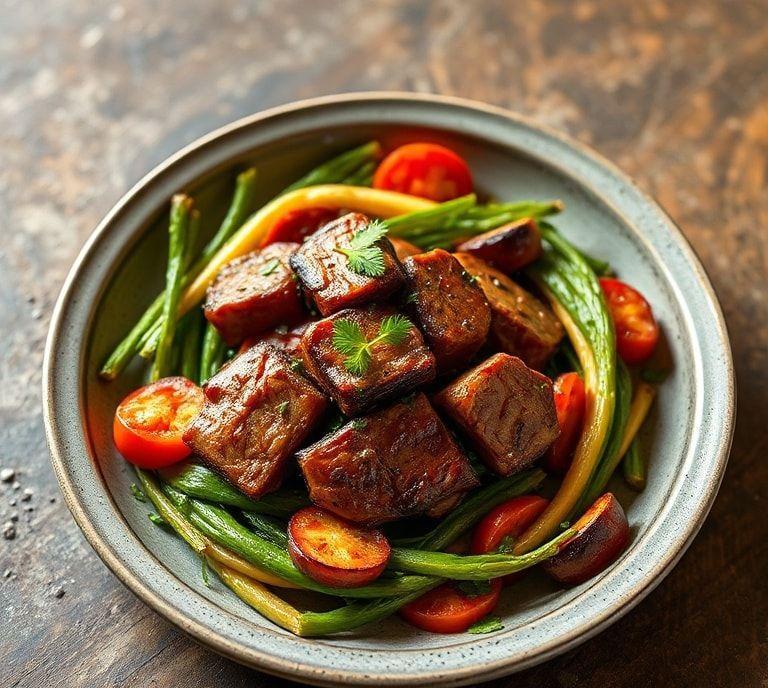
The recipe I’m sharing today is a Lentil and Quinoa Power Bowl – a perfect combination of plant-based protein, healthy fats, and complex carbohydrates. If you’ve never thought of quinoa as your secret bodybuilding weapon, this dish will change your mind. The protein in quinoa complements lentils, which are high in fiber and iron. Together, they form a complete amino acid profile, ensuring that your muscles are getting what they need for growth and repair.
Why this recipe works for bodybuilding is simple: it’s loaded with all the macronutrients your body craves after a tough workout, while also providing a rich source of micronutrients to keep you energized, recover faster, and stay strong.
Ingredients Needed
Before you start, here’s what you’ll need to make this bowl of goodness:
- 1 cup quinoa (rinse it before cooking to remove saponins that can cause bitterness)
- 1 cup dry lentils (green or brown work best, but feel free to use red or black)
- 1 tablespoon olive oil (for cooking and flavor)
- 2 cups vegetable broth (or water, if you prefer)
- 1 medium onion, finely chopped
- 2 garlic cloves, minced
- 1 cup spinach (fresh or frozen)
- 1 medium carrot, grated
- 1 tablespoon tahini (for a creamy texture and extra healthy fats)
- 1 teaspoon cumin powder
- 1 teaspoon turmeric powder
- 1 teaspoon paprika
- Salt and pepper, to taste
- Lemon juice (from half a lemon)
- Fresh parsley (for garnish)
- Optional toppings: avocado, roasted seeds, or a drizzle of olive oil.
Cooking Instructions
- Cook the quinoa: Start by rinsing your quinoa thoroughly under cold water. Place it in a pot with 2 cups of vegetable broth (or water if you prefer), bring to a boil, then reduce the heat to low and cover. Let it simmer for about 15 minutes, or until all the liquid is absorbed. Once cooked, fluff with a fork and set aside.
- Prepare the lentils: While the quinoa is cooking, rinse your lentils under cold water. Add them to a pot with 2 cups of water and bring to a boil. Once boiling, reduce the heat and simmer for 20-25 minutes, or until the lentils are tender. Drain any excess water and set aside.
- Sauté the aromatics: In a large pan, heat the olive oil over medium heat. Add the chopped onion and garlic, and sauté for about 5 minutes, until they’re soft and fragrant. Stir in the cumin, turmeric, and paprika, cooking for another minute until the spices bloom.
- Combine the vegetables: Add the grated carrot and spinach to the pan. Stir everything together until the spinach wilts down, and the carrot softens, about 3-4 minutes.
- Mix everything together: In the same pan, add the cooked quinoa, lentils, and tahini. Stir everything well to combine, letting the flavors meld for another 5 minutes on low heat. Season with salt, pepper, and a squeeze of fresh lemon juice.
- Serve and garnish: Spoon your lentil-quinoa mixture into bowls. Garnish with fresh parsley, avocado slices, or a sprinkle of roasted seeds for an extra crunch. You can also drizzle a little more olive oil for added richness.
Ingredient Science Spotlight
Let’s take a moment to break down the science behind a few of these ingredients:
- Quinoa: Often touted as a “superfood”, quinoa is a complete protein, meaning it contains all nine essential amino acids that your body can’t produce on its own. This makes it a rare find in the plant world, as most grains lack some of the essential amino acids. It’s also rich in fiber, magnesium, and antioxidants, all of which support muscle recovery and overall health.
- Lentils: Packed with protein and iron, lentils are often called the “vegetarian steak”. They’re not just for your muscles-they help transport oxygen in the blood, making them a key player in your workouts. Additionally, the fiber in lentils keeps you full longer, preventing those post-workout hunger pangs.
- Tahini: This sesame paste is a wonderful source of healthy fats, protein, and minerals like calcium. The fats in tahini support hormone production (including the muscle-building hormone, testosterone), which is vital for bodybuilding. It also helps give the dish that creamy, rich texture without any dairy.
Expert Tips
- Batch cooking: This recipe is perfect for meal prepping. The flavors get better as they sit, so make a large batch and store it in the fridge for up to 3-4 days. It’s an easy grab-and-go option for your busy days.
- Boost your protein: If you’re looking to up your protein even more, toss in some tempeh or tofu. Both are great plant-based protein sources that pair wonderfully with this recipe.
- Spice it up: If you love heat, throw in some chili flakes or fresh jalapeño slices for a little kick. Not only does this add flavor, but capsaicin (the compound in chili peppers) can actually boost your metabolism.
- Don’t skip the lemon: The squeeze of fresh lemon at the end is a game-changer. It brightens up the dish and balances the richness of the tahini and olive oil, ensuring it’s not too heavy.
Recipe Variations
This dish is incredibly versatile, so feel free to get creative:
- Change the greens: Instead of spinach, you could use kale, arugula, or even broccoli. All provide similar nutrients but with different textures and flavors.
- Add more vegetables: Sweet potatoes, zucchini, or bell peppers can easily be added. If you have a favorite veggie lying around, throw it in!
- Add a grain: If quinoa isn’t your thing, swap it out for bulgur, couscous, or farro. These grains have similar nutritional profiles but can give a different texture and flavor to the dish.
- Swap lentils for beans: Chickpeas or black beans could replace lentils for a completely different texture and flavor, while still offering that all-important protein boost.
Final Words
Eating plant-based while pursuing bodybuilding goals doesn’t have to be a challenge. With the right ingredients and a little creativity, you can build meals that are just as satisfying, nutrient-dense, and protein-packed as any carnivorous alternative. This Lentil and Quinoa Power Bowl is a perfect example of how plant-based foods can be both nourishing and muscle-building, supporting you as you grow stronger with each workout.
FAQs
What Are The Best Plant-based Protein Sources For Bodybuilding?
For vegetarian bodybuilding, high-protein plant-based foods are essential for muscle growth and recovery. The best sources include legumes (such as lentils, chickpeas, and black beans), soy products (like tofu, tempeh, and edamame), quinoa, seitan, and various plant-based protein powders (pea, rice, or hemp protein). Nuts, seeds (like chia, flax, and hemp), and whole grains (like brown rice and oats) also provide a good amount of protein.
How Can I Ensure I Get Enough Calories On A Vegetarian Bodybuilding Diet?
Getting enough calories on a vegetarian bodybuilding diet can be challenging but is achievable with strategic planning. To meet caloric needs, include high-calorie vegetarian foods like avocados, nut butters, whole grains, coconut milk, and olive oil. Caloric-dense snacks like trail mix, protein bars, and smoothies made with fruits, plant-based protein powder, and nut butter can help boost daily intake. Additionally, consuming larger portion sizes and eating more frequent meals may help reach the necessary calorie surplus for muscle growth.
Can A Vegetarian Bodybuilding Diet Provide Sufficient Nutrients For Optimal Performance?
Yes, a vegetarian bodybuilding diet can provide all the necessary nutrients for optimal performance, but attention to detail is required. While protein and calories are crucial, vitamins and minerals like vitamin B12, iron, calcium, omega-3 fatty acids, and zinc can be more challenging to obtain from plant sources. To address these, vegetarians should focus on a variety of whole foods, such as fortified cereals (for B12), leafy greens (for calcium), nuts and seeds (for omega-3s), and consider supplements for nutrients that may be harder to get in sufficient amounts.